
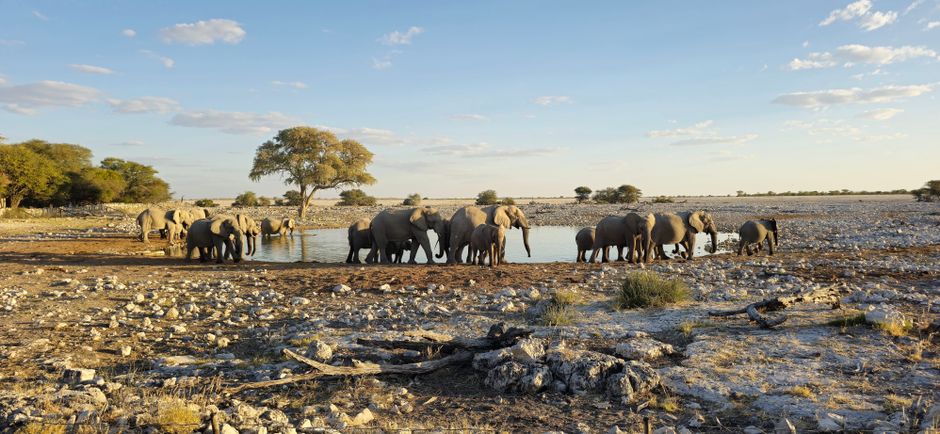
SANParks identifies only two of its national parks, Kruger and Mapungubwe, as malaria-risk areas. That leaves families with several strong safari choices outside the main risk zone, including reserves where children can see lions, elephants, rhinos, buffalo and leopards without making anti-malaria medication the central planning issue.
The best reserve is not automatically the one with the most animals. For a family, drive time, child-age rules, private-vehicle options, meal schedules and the length of each game drive matter just as much. Use the comparison below to choose a reserve that fits your actual trip.
Which malaria-free reserve is best for your family?
Start with access, age rules and trip length
| Reserve or lodge | Best family use | Useful 2026 detail |
|---|---|---|
| Pilanesberg National Park | First safari, short stay, Johannesburg arrival | Three-hour international game drive listed at R1,550 per adult and R1,000 per child under 12 |
| Madikwe Game Reserve | Big Five safari with a private-lodge feel | Road conservation fee listed at R180 per adult and R80 per child per stay |
| Shamwari Private Game Reserve | Families with toddlers or mixed-age children | Riverdene Lodge and Sarili Private Villa welcome children of all ages |
| Sanbona Wildlife Reserve | Cape Town combination trip | Gondwana Family Lodge is about three hours from Cape Town |
| Addo Elephant National Park | Self-drive value and elephant viewing | International conservation fee listed at R492 per adult and R246 per child aged 2 to 11 |
The clearest winner for a first family safari
Choose Pilanesberg if this is your first safari and you have two or three nights after landing in Johannesburg. The reserve covers about 57,000 hectares, sits close to Sun City and avoids the long internal flight needed for more remote parks. A family can add a scheduled three-hour drive, sleep near the park and keep the transfer simple.
Choose Madikwe instead if the safari itself is the main event and you want several guided drives from one lodge. Pick Shamwari for a Cape Town or Garden Route route, Sanbona for a high-end Cape Town add-on and Addo for a flexible self-drive plan. The price figures above are planning anchors, not complete holiday costs; lodge rates, meals, transfers and seasonal fees sit on top.
What does malaria-free actually mean for parents?
Malaria-free describes the destination, not every moment of the trip
A malaria-free reserve has no established malaria transmission in the area under normal conditions. That makes it a strong choice for families with very young children, pregnant travellers or people who cannot take certain anti-malaria medicines. It does not mean the reserve has no mosquitoes, and it does not remove the need for ordinary bite prevention.
Malaria spreads through the bite of an infected female Anopheles mosquito. These mosquitoes are most active from dusk through dawn, which overlaps with sunset drives, dinner outside and early-morning departures. Long trousers, closed shoes, screened rooms and an approved repellent still make sense. Children also need loose clothing that covers the arms and legs without making them overheat.
Keep the medical decision separate from the booking decision
Ask a travel clinic or family doctor to review the exact reserve, travel dates, connecting countries and each child’s age. The health advice for a malaria-free reserve can change if the itinerary adds Kruger, northern Limpopo, Mozambique, Zimbabwe or another higher-risk destination. A family that begins in Johannesburg and ends in a malaria-risk park needs one health plan for the whole route.
Check the reserve’s current status again before departure. Pack a thermometer, basic children’s medicines, oral rehydration sachets and a written list of allergies. Fever after travel needs prompt medical advice, even when the family stayed in a malaria-free area. That is the practical boundary: the designation lowers a specific travel risk, but it does not replace normal health planning.
What do children need from a safari day?
For ages two to five, shorten the day before adding more wildlife
Young children rarely need a full dawn-to-dusk schedule. Book a lodge that can offer a shorter drive, a midday nap, an early dinner and a safe place to play. Ask for a private vehicle if the budget allows; it lets the guide return when a child is tired instead of keeping an entire shared vehicle out for another hour.
Plan one main wildlife activity per day. A two-hour morning drive, pool time and a simple animal-tracking activity often work better than two long drives. Confirm the minimum age for open vehicles, walking activities, swimming pools and babysitting before paying a deposit.
For ages six to twelve, add jobs and small targets
Older children can handle longer drives when the guide gives them something specific to do. Set a short list: find three different antelope, compare elephant footprints, record five bird calls or sketch one animal. Binoculars with an 8×32 magnification are easier for most children to hold than a heavy adult pair. A refillable bottle, sun hat and light fleece should stay in the vehicle.
- Ask the guide to explain animal behaviour in plain language.
- Schedule a bathroom stop before every drive.
- Keep snacks quiet and unscented so they do not attract insects or distract the guide.
- Tell children never to stand, shout or lean out of the vehicle.
- Leave one unplanned hour every afternoon for sleep, swimming or reading.
The strongest family safari creates a rhythm children can predict: wake, eat, drive, rest, play, drive or watch the sunset, then sleep. That rhythm is more valuable than squeezing in a second reserve.
How should you build a four-night family safari?
Use one reserve as the base
- Night 1: Arrive in Johannesburg, Gqeberha or Cape Town and sleep near the airport if the international flight lands late.
- Night 2: Transfer to the reserve, settle in and take one short afternoon activity only if the children are alert.
- Night 3: Take an early drive, rest during the hottest part of the day and book a sunset drive or lodge activity.
- Night 4: Repeat the activity your family enjoyed most. Do not add a second reserve simply to collect another name.
- Night 5: Depart after breakfast with enough time for the airport or the next hotel.
For Johannesburg, Pilanesberg gives the easiest short transfer and Madikwe gives a deeper lodge-based safari. For Cape Town, Sanbona keeps the wildlife section close to the city. For an Eastern Cape route, Shamwari or Addo pairs neatly with the Garden Route and coastal stops.
Calculate the transfer before comparing lodge rates
A cheaper lodge can become the more expensive choice after a private charter, a long road transfer and a second airport night. Compare the full door-to-door cost for four people. Include luggage limits, child seats, road-transfer duration and the time lost on arrival day. A four-hour drive may be fine for school-age children after breakfast; it is a poor plan after a 20-hour international journey followed by a late connection.
Keep the final transfer day light. Families often overbook the last morning drive and then face a rushed departure, missed meals and tired children in the car. The best four-night plan gives the reserve enough time to feel like the centre of the trip.
Family safari booking questions answered
Is Pilanesberg or Madikwe better for a first safari?
Pilanesberg is the better first choice for a two- or three-night trip from Johannesburg because the transfer is shorter and scheduled drives are easy to add. Madikwe wins for four or more nights when the family wants a private-lodge atmosphere and a fuller Big Five stay.
Can toddlers go on a malaria-free safari?
Yes, but the lodge policy matters more than the reserve label. Shamwari’s Riverdene Lodge and Sarili Private Villa welcome children of all ages, while other properties may set minimum ages for drives or walking activities. Get the age rules in writing before paying.
How many nights should a family book?
Book three nights for a compact first safari and four nights for a relaxed family trip. One night is too short for changing weather, animal movement and tired children to balance out. A longer stay at one reserve usually creates a better experience than one night each at several parks.
South Africa’s malaria-free safari choices are becoming more useful for families who want wildlife without turning the holiday into a medical puzzle. As lodges improve child programmes, private vehicles and short-format activities, the strongest family safaris will be built around pace and fit rather than a race to visit the most famous reserve.