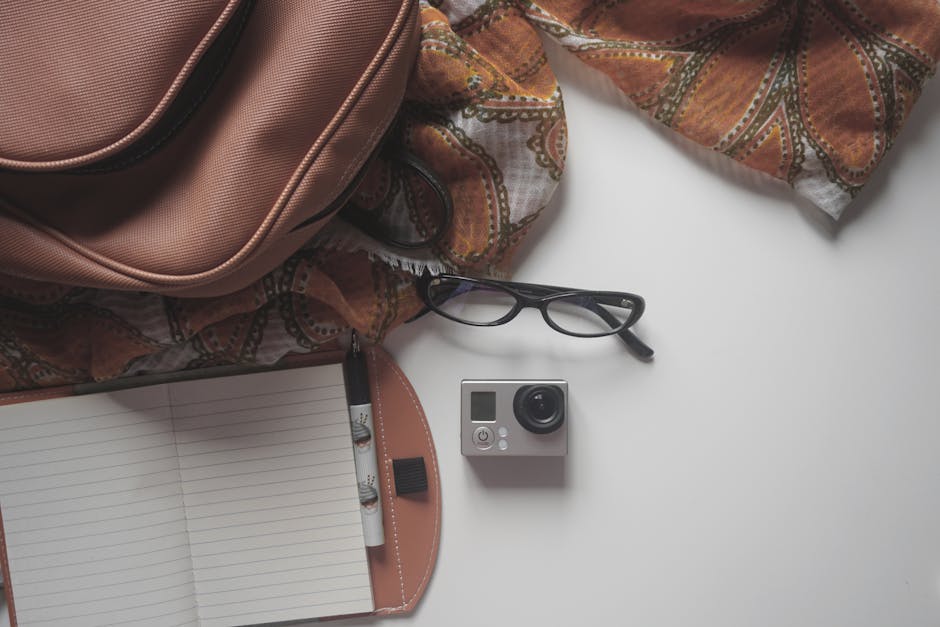
For your Yucatan adventure in 2026, the single most impactful decision you’ll make for comfort and ease is committing to a carry-on only philosophy. This strategy simplifies transit, reduces waiting times, and ensures you always have your essentials close, especially when navigating regional buses or smaller airports. Forget lugging heavy suitcases across cobblestone streets or through bustling markets. The goal is agile travel, allowing you to move freely between ancient ruins, vibrant colonial cities, and serene cenotes without being weighed down. Prioritizing versatility and quick-drying fabrics will also transform your experience, making unexpected downpours or spontaneous swims a non-issue rather than a logistical nightmare.
Mastering Your Luggage: The Power of a Carry-On
Packing light is not just a suggestion for the Yucatan; it’s a strategic advantage. The region’s diverse activities—from exploring humid jungle ruins to swimming in freshwater cenotes and relaxing on sandy beaches—demand versatility. A carry-on bag, typically around 40 liters, forces thoughtful selection, eliminating unnecessary bulk. This approach prevents checked bag fees, bypasses baggage claim lines, and minimizes the risk of lost luggage, a significant stress reducer when moving between destinations like Mérida, Valladolid, and Tulum. Imagine stepping off your flight and heading straight to a taxi or bus, ready to begin your adventure immediately. This efficiency is for maximizing your time in a place as rich in experiences as the Yucatan.
Why Maximize Carry-On Only?
The benefits of traveling with only a carry-on are numerous and immediately apparent upon arrival in the Yucatan. Firstly, it saves money. Checked baggage fees, which can range from $30 to $60 per bag per flight on many airlines, quickly add up, especially if you’re taking domestic flights within Mexico. Secondly, it saves time. You won’t wait at the carousel, a process that can easily add 30-60 minutes to your arrival, cutting into valuable exploration time. Thirdly, it significantly reduces the risk of lost or delayed luggage, a common travel headache that can derail the start of any trip. Most importantly, it grants you unparalleled freedom and mobility. Navigating crowded bus stations, walking through historic town squares, or hopping into shared colectivos becomes effortless when you’re not wrestling with a large suitcase. A well-packed 40L bag, like the Osprey Farpoint 40L or a Tortuga Outbreaker 45L, offers enough space for a week or two of travel with strategic layering and laundry planning.
Airline Size & Weight Restrictions (2026)
Understanding current airline carry-on regulations is crucial. While specifications can vary slightly, most major carriers like American Airlines, Delta, and Aeromexico generally adhere to dimensions around 22 x 14 x 9 inches (56 x 36 x 23 cm), including handles and wheels. Weight limits are often around 22-25 lbs (10-11 kg), though some budget airlines might have stricter limits or even weigh your personal item. It’s an absolute necessity to check the specific policy of your airline(s) before you fly in 2026, as these rules are subject to change and enforcement can be strict. Investing in a lightweight bag that fits these dimensions and practicing packing it to stay under the weight limit will save you headaches at the gate. A small digital luggage scale, costing around $10-15, can be a worthwhile purchase for peace of mind.
Selecting Your Travel Backpack
When choosing a carry-on for the Yucatan, prioritize a travel backpack over a wheeled suitcase. Backpacks excel on uneven terrain, up stairs in ancient ruins, and when you need to move quickly. Look for features like a clamshell opening, which allows the bag to open like a suitcase for easy access to all contents, rather than a top-loader. A padded laptop sleeve (even if you don’t bring a laptop, it adds structure) and external compression straps are also highly beneficial. External straps help cinch down the load, making the bag feel smaller and more stable. Brands like Osprey, Tortuga, and Patagonia offer excellent 40-45L travel backpacks designed specifically for carry-on limits, providing a balance of comfort, durability, and organization. Also, consider a small, packable daypack (15-20L) that can fold into your main bag for daily excursions to cenotes or ruin sites, eliminating the need to carry your entire luggage load.
Clothing for Comfort in Tropical Heat
The Yucatan Peninsula is synonymous with heat and humidity. Packing the right clothing means prioritizing lightweight, breathable, and quick-drying fabrics. Your choices here directly impact your comfort throughout the day, whether you’re sweating through Chichen Itza or drying off after a dip in a cenote. Avoid heavy cotton or denim, which retain moisture and take ages to dry, leading to discomfort and potential odor issues. Instead, lean into performance fabrics designed for tropical climates.
- Lightweight, Quick-Dry Tops: Pack 3-5 short-sleeved shirts made from moisture-wicking materials like merino wool or synthetic blends. Brands like Patagonia Capilene Cool Daily or Columbia PFG lines offer excellent options that dry rapidly, essential for daily wear and hand-washing. One long-sleeved, light shirt can offer sun protection for extended outdoor activities.
- Breathable Bottoms: Opt for 2-3 pairs of shorts or convertible pants made from quick-dry nylon or similar performance fabrics. Prana Stretch Zion shorts or Columbia PFG Tamiami shorts are examples that perform well in humid conditions. For evenings, a lightweight pair of linen pants or a casual skirt can be comfortable.
- Swimwear: Bring 2 swimsuits. Having a second suit allows one to dry while you wear the other, especially useful with frequent cenote or beach visits. Quick-dry board shorts for men and bikinis or one-pieces for women are ideal.
- Light Layers for Evenings: While days are hot, some evenings, especially in air-conditioned restaurants or during a rare cool front, might warrant a very light layer. A thin cardigan or a light long-sleeved shirt is usually sufficient.
- Undergarments & Socks: Pack enough quick-dry underwear for your trip duration (or plan to hand wash). For socks, opt for thin, moisture-wicking varieties if you plan on extended walking or hiking in closed-toe shoes. Otherwise, sandals are often sock-free.
Quick-Dry Fabrics: A Must-Have
The humidity in the Yucatan means clothes take longer to dry, and sweat is a constant companion. Cotton, while comfortable in dry heat, becomes heavy, clammy, and slow to dry in humid conditions. It can also develop mildew quickly. Synthetic fabrics like polyester, nylon, and blends with spandex, or natural fibers like merino wool, are superior. These materials are engineered to wick moisture away from your skin, promoting quick evaporation, and significantly reducing drying time after a wash or a sudden downpour. This is crucial for packing light, as you can easily hand wash items in your sink and have them ready to wear the next morning, eliminating the need for excessive clothing items.
Evening Attire for Coastal Towns
While the Yucatan is generally casual, some evenings in popular tourist towns like Playa del Carmen, Tulum, or Mérida’s upscale restaurants might call for slightly more polished attire. However, “polished” here still means comfortable and appropriate for the climate. Think light linen shirts or guayaberas for men, and flowy sundresses or stylish skirts with a blouse for women. The key is still breathable fabrics and a relaxed fit. Avoid anything too formal or heavy. A light scarf can be a versatile accessory for women, offering a touch of elegance or warmth in overly air-conditioned spaces.
Footwear: From Jungle to Ocean
Your feet will thank you for choosing the right shoes. The ideal footwear for the Yucatan balances comfort, breathability, and versatility across different terrains. A pair of durable, waterproof sandals is . Chaco Z/Cloud or Keen Newport H2 sandals are excellent choices, offering good arch support for walking, traction for wet surfaces, and quick drying capabilities for cenote visits. A second pair of lightweight, comfortable walking shoes or sneakers (like breathable mesh athletic shoes) is advisable for longer days exploring ruins or city streets. Avoid new, untested shoes to prevent blisters. Flip-flops are fine for the beach or hotel, but not for extensive walking. Water shoes are also very useful for rocky cenote entrances or slippery ruin paths.
Health & Hygiene: Protecting Yourself & The Environment
Your personal care items for the Yucatan require careful consideration, not just for your comfort but also for the fragile ecosystems you’ll visit. Reef-safe products are an ethical imperative, and effective insect repellent is a practical necessity. Planning your toiletries means bringing what you need without overpacking, focusing on multi-purpose items and travel sizes.
Which Sunscreens are Reef-Safe?
This is not optional for the Yucatan. Many cenotes, and especially marine parks and coral reefs, strictly enforce the use of reef-safe sunscreen. Traditional sunscreens contain chemicals like oxybenzone and octinoxate, which are highly damaging to coral and aquatic life. Look for sunscreens that use non-nano zinc oxide and titanium dioxide as their active ingredients. Brands like Thinksport Safe Sunscreen SPF 50+, Badger Sport Mineral Sunscreen, or Blue Lizard Australian Sunscreen (Sensitive Skin formula) are widely available and adhere to reef-safe standards. Always check the ingredients list to be sure. Apply generously and frequently, especially after swimming. Consider also bringing a wide-brimmed hat and UV-protective clothing for additional sun protection, reducing reliance on sunscreen alone.
Is Strong Insect Repellent Necessary?
Absolutely. Mosquitoes and other biting insects are prevalent, particularly in jungle areas, near cenotes, and during dawn and dusk. Dengue fever and Zika virus are present in the region, making insect protection a health priority. Your best defense is a repellent containing either DEET (30-50%) or Picaridin (20%). Sawyer Picaridin Insect Repellent is often favored for its effectiveness without the strong odor or plastic-damaging properties of DEET. For clothing, consider treating items with Permethrin before your trip; this repels insects through several washes. Apply repellent to exposed skin after sunscreen, and reapply as directed, especially after swimming or heavy sweating. Sleeping under a mosquito net can also be helpful if your accommodation isn’t fully screened.
Assembling a Basic Travel First Aid Kit
Even with careful planning, minor scrapes, cuts, or upset stomachs can occur. A compact first aid kit is an essential item for any trip. Focus on over-the-counter medications and basic wound care. Include pain relievers (e.g., ibuprofen or acetaminophen), anti-diarrhea medication (e.g., Imodium), anti-histamines for allergic reactions or insect bites, and any personal prescription medications (with copies of prescriptions). For wound care, pack adhesive bandages in various sizes, antiseptic wipes, antibiotic ointment, and moleskin for blisters. Tweezers, small scissors, and hydrocortisone cream for itching can also be invaluable. Keep your kit accessible, ideally in your daypack, for quick retrieval when needed.
Exploring Gear: Cenotes, Ruins, and Water Adventures
The Yucatan invites you to immerse yourself in its natural wonders and ancient history. To fully enjoy cenotes, explore Mayan ruins, and navigate the coastal towns, certain specialized gear will significantly enhance your experience. These items aren’t just for convenience; they are often crucial for safety and environmental protection.
Water Protection for Electronics
Water is everywhere in the Yucatan – cenotes, the ocean, and unexpected tropical downpours. Protecting your phone, camera, and other electronics is . A simple, reliable waterproof phone pouch, like those from Dry Pak or Joto, costs around $10-15 and allows you to take photos underwater in cenotes or use your phone in the rain without fear. For larger cameras or other sensitive electronics, consider a dry bag (5-10L) that can be easily stowed in your daypack. These bags, often made by brands like Sea to Summit or Outdoor Products, are essential for keeping gear dry during boat trips or when exploring areas prone to splashes. Even a Ziploc bag can offer basic, temporary protection in a pinch, but for reliable use, invest in purpose-built waterproof gear. Remember that humidity itself can also affect electronics, so keeping them in a sealed container with a desiccant pack when not in use can be beneficial, particularly for camera lenses.
The Versatility of a Microfiber Towel
Forget bulky cotton towels. A lightweight, quick-drying microfiber towel is a traveler’s best friend in the Yucatan. Brands like Sea to Summit Pocket Towel or PackTowl offer various sizes that pack down incredibly small and dry significantly faster than traditional towels. This is invaluable after swimming in a cenote, showering at a hostel, or even drying off after a sudden rain shower. A medium-sized towel (around 24×48 inches) is often sufficient for most needs, acting as a beach towel, bath towel, or even an impromptu picnic blanket. Its fast-drying nature means you can pack it away shortly after use without worrying about mildew or dampness transferring to other items in your bag, a common issue in humid climates. Some even come with an integrated loop for easy hanging to dry, adding to their practicality.
Illumination for Underground Explorations
Cenotes, especially those that are mostly underground, can be quite dark. While some popular cenotes have artificial lighting, many smaller or less frequented ones do not. A compact headlamp or a small, powerful flashlight is indispensable for navigating these subterranean wonders. A headlamp, such as the Black Diamond Spot 400 or Petzl Tikkina, frees up your hands for climbing, swimming, or carrying other items. Look for models with at least 300 lumens for adequate visibility and a red light mode to preserve night vision (though less critical in cenotes). Always ensure it has fresh batteries or is fully charged before heading out. Beyond cenotes, a headlamp can be useful for walking back to your accommodation at night on poorly lit streets or for rummaging through your bag in a dark hostel dorm. This small item offers a significant safety and convenience boost for very little weight or cost.
Securing Your Essentials: Documents and Money
Protecting your passport, travel documents, and money is a top priority when traveling anywhere, and the Yucatan is no exception. While generally safe, petty theft can occur, so proactive measures are key. Don’t risk having your trip derailed by lost or stolen identification or funds. A secure system for your valuables provides peace of mind.
Digital vs. Physical Document Backup
Never rely on a single copy of your essential documents. Keep your physical passport, driver’s license, and immigration forms (like the FMM card) in a secure, accessible place. In addition, create digital copies of everything: passport, visa, flight confirmations, hotel bookings, travel insurance policy, and a list of emergency contacts. Store these securely in cloud storage (e.g., Google Drive, Dropbox) that you can access from your phone or an internet cafe. Email a copy to yourself and a trusted family member. Having physical photocopies stored separately from the originals is also a smart move. For example, keep your passport in a secure money belt and a photocopy in your main backpack. This multi-layered approach ensures that if one copy is lost or stolen, you have backups to aid in replacement or verification.
The Best Ways to Carry Valuables
Carrying your money and documents requires a balance between accessibility and security. Avoid keeping all your cash and cards in one wallet, especially in a back pocket. Distribute your funds: keep some cash in your wallet for daily expenses, a larger sum (and a backup credit card) in a more secure, hidden location, and perhaps a third amount back at your accommodation’s safe. A money belt, worn under your clothes, is an effective way to carry your passport, extra cash, and backup credit cards securely. Products like the Eagle Creek Undercover Money Belt or a Pacsafe Vouchsafe offer discreet storage. Neck wallets are another option, though they can be more visible. Avoid flashy jewelry or expensive gadgets that might attract unwanted attention. For day-to-day use, a small crossbody bag worn in front of you can be useful for quick access to a phone and small amounts of cash, but always remain vigilant in crowded areas.
| Security Method | Pros | Cons | Best For |
|---|---|---|---|
| Money Belt (under clothes) | Highly discreet, secure, holds passport/cash | Less convenient for frequent access | Passport, large cash sums, backup cards |
| Neck Wallet (under clothes) | Similar to money belt, can hold phone | Can be visible under light clothing, less comfortable for some | Passport, cash, phone (if slim) |
| Hidden Pockets (e.g., bra, undies) | Extremely discreet, simple, inexpensive | Limited capacity, less comfortable for bulk | Emergency cash, single credit card |
| Hotel Safe | Secure storage for non-daily items | Not always available, sometimes small, requires trust | Extra cash, secondary cards, spare electronics |
| Anti-Theft Bag (e.g., Pacsafe) | Slash-resistant, lockable zippers, RFID protection | Can be heavier/bulkier, more expensive | Day trips, carrying daily essentials securely |
Small Comforts & Tech to Enhance Your Trip
While the Yucatan is all about natural beauty and ancient history, a few carefully selected tech items and personal comforts can significantly improve your travel experience. These aren’t necessities, but they address common travel annoyances and keep you connected or entertained during downtime. The key is to choose compact, lightweight versions of these items to maintain your carry-on-only status.
- Portable Power Bank: Crucial for keeping your phone charged on long travel days, while exploring ruins without outlets, or during power outages. A 10,000mAh power bank, like the Anker PowerCore 10000, provides 2-3 full phone charges and fits easily in a daypack. Ensure it’s fully charged before excursions.
- Universal Travel Adapter: While Mexico uses Type A and B outlets (the same as the US and Canada), if you’re traveling from elsewhere, a universal adapter is essential. Even if coming from North America, some older hotels might have limited plug types, so a multi-port USB charger can be incredibly useful for charging multiple devices simultaneously.
- Earplugs and Eye Mask: For light sleepers, these are non-negotiable. Whether it’s noisy street dogs, early morning roosters, bustling mercados, or a bright hotel room, earplugs (e.g., Mack’s Soft Foam Earplugs) and a comfortable eye mask can save your sleep and sanity, ensuring you’re rested for your adventures.
- E-Reader or Book: Downtime is inevitable—long bus rides, waiting for food, or relaxing on the beach. An Amazon Kindle Paperwhite offers thousands of books in a lightweight, glare-free device, perfect for sunny days. Alternatively, a single paperback can be a welcome escape from screens.
- Small Flashlight/Headlamp: While mentioned for cenotes, a small personal flashlight is great for finding items in your bag in a dark dorm room, navigating dimly lit paths, or in case of a power outage.
- Reusable Water Bottle: Staying hydrated in the Yucatan’s heat is vital. A reusable water bottle (like a Nalgene Wide Mouth) is eco-friendly and can be refilled with purified water, readily available at most accommodations and restaurants.
Portable Power Solutions
Reliable power is critical for navigation, communication, and photography. A portable power bank capable of at least 10,000mAh is highly recommended. These compact devices can fully recharge your smartphone multiple times, ensuring you can use GPS, research on the go, or capture photos without constantly searching for an outlet. Consider models with multiple USB ports if you carry more than one USB-chargeable device. For international travelers, pairing your power bank with a quality universal travel adapter (like the Orei M8 Plus) that includes USB-C ports ensures compatibility and fast charging for all your devices, from phones to e-readers and smartwatches.
Staying Entertained Offline
While Wi-Fi is widely available in the Yucatan’s tourist hubs, it can be spotty or non-existent in more remote areas, on buses, or even in some cenotes. Prepare for offline entertainment. Download movies or TV shows on streaming apps like Netflix, save podcasts and music playlists, and load up your e-reader with books before you leave. Maps.me or Google Maps with downloaded offline maps are also invaluable for navigation without a data connection. This preparation ensures that any travel delays or periods without connectivity become opportunities for relaxation rather than frustration, allowing you to truly disconnect when desired and reconnect on your terms.
By sticking to this focused packing list, prioritizing lightweight and quick-drying items, and making environmentally conscious choices like reef-safe sunscreen, you’ll be perfectly equipped for a comfortable, efficient, and unforgettable journey through the vibrant Yucatan Peninsula. Pack smart, travel light, and embrace every adventure.