
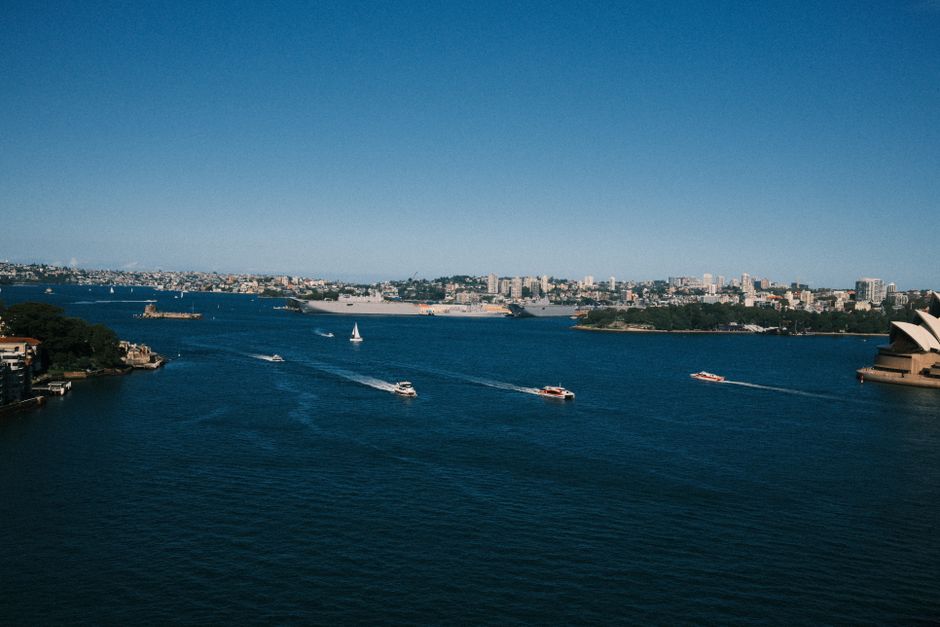
Your children are awake before sunrise, the hotel room feels too small, and everyone wants a different first activity. Sydney can handle that kind of morning, but only if you group activities by location and protect the hottest hours of the day.
What is the best five-day Sydney itinerary for children?
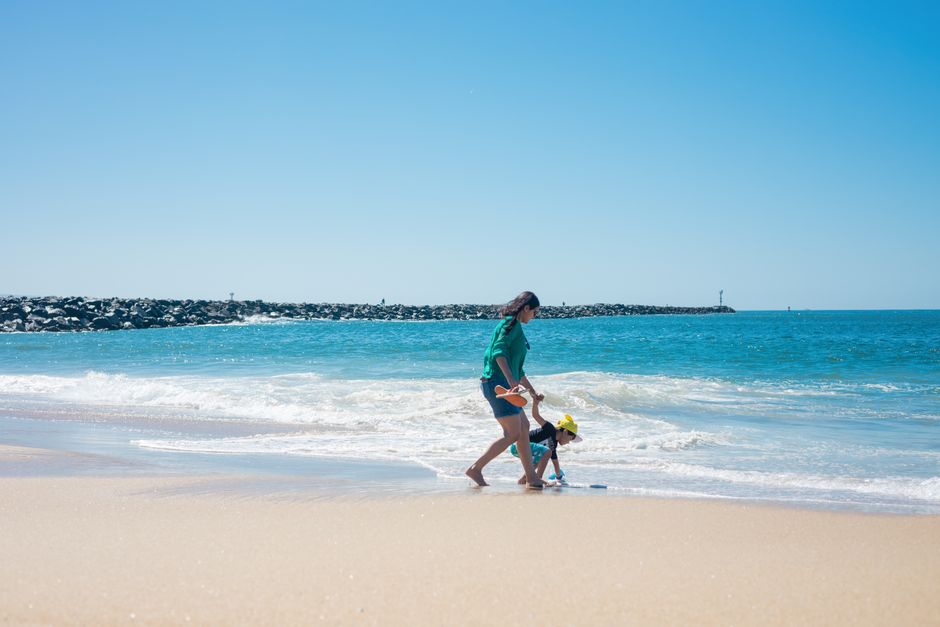
The best plan alternates high-energy outdoor days with shorter cultural days. Start early, schedule a proper lunch, and return to your base before the late-afternoon heat and tiredness arrive.
Use this day-by-day schedule
| Day | Morning | Afternoon | Family verdict |
|---|---|---|---|
| 1 | Circular Quay, Opera House exterior, Royal Botanic Garden | Australian Museum or early hotel rest | Best introduction to Sydney |
| 2 | Ferry to Taronga Zoo | Zoo talks, ferry back, relaxed dinner | Best animal day |
| 3 | Bondi Beach and the Bondi to Coogee walk | Short swim, playground, or hotel pool | Best active beach day |
| 4 | Ferry to Manly | Manly Beach, Shelly Beach, or the Corso | Best transport-and-beach combination |
| 5 | Darling Harbour museums and playgrounds | Sydney Park or a slow final afternoon | Best rainy-day backup |
Keep the first day deliberately easy
Do not put Taronga Zoo or a long coastal walk on arrival day. Take photographs around Circular Quay, walk through the Royal Botanic Garden, and stop when the children begin to fade. The Opera House forecourt, harbour views, and open garden paths give you a strong first impression without requiring a strict booking time. If everyone still has energy, visit the Australian Museum for a cooler indoor finish.
Use paid attractions only when they earn a full day
Taronga Zoo is the clearest full-day choice. Its current listed online prices start at about $51.30 for an adult and $29.70 for a child aged 4 to 15, with a family ticket for two adults and two children from about $144. Buy online after checking the date and entry conditions. The zoo requires walking, hills, and regular water breaks, so arrive near opening time rather than treating it as a late-afternoon stop.
Leave room to change the order. If the forecast predicts extreme heat, move the museum or Darling Harbour day forward and keep the beach day for the mildest forecast. A good family itinerary is a sequence of manageable days, not a checklist of every famous attraction.
How can families handle Sydney heat and busy beaches?
Plan around shade and water, not around the clock on your sightseeing map. Summer sun can turn a pleasant walk into a miserable one before lunch, especially for toddlers and children unused to Australian heat.
Follow this beach-day sequence
- Arrive before 9:30am, when the sand is cooler and popular beaches have more open space.
- Choose a patrolled swimming area and read the beach safety signs before unpacking.
- Set a fixed meeting point, such as the lifeguard tower or a named entrance, in case someone gets separated.
- Keep a full bottle of water for every person and add fruit or sandwiches so hunger does not force an early departure.
- Move into shade for lunch instead of eating on hot sand.
- Leave the water before the children become exhausted. A short swim followed by a playground often works better than six hours beside the beach.
Pick the right coast for the right child
Bondi is famous and easy to reach, but its waves and crowds can overwhelm younger swimmers. Use the beach only inside the patrolled area and treat the Bondi to Coogee route as a short scenic walk, not a compulsory full hike. Stop at Bronte if the children have had enough. The route includes stairs, uneven sections, and limited shade.
Manly gives families more options in one area. Children can watch the ferry arrive, play near the Corso, swim at the main beach, or walk to Shelly Beach for a calmer cove. The route to Shelly Beach is short but can still feel hot in the middle of the day, so go early or late.
Know when to cancel the outdoor plan
Cancel a beach or bushwalk day when the forecast brings extreme heat, poor air quality, or dangerous surf. Replace it with the Australian Museum, the Museum of Contemporary Art, or a short indoor activity followed by a shaded park. This is not wasted holiday time. It protects the next day from a tired child, sunburn, or a late-night meltdown.
Which travel tools should parents pack for Sydney?
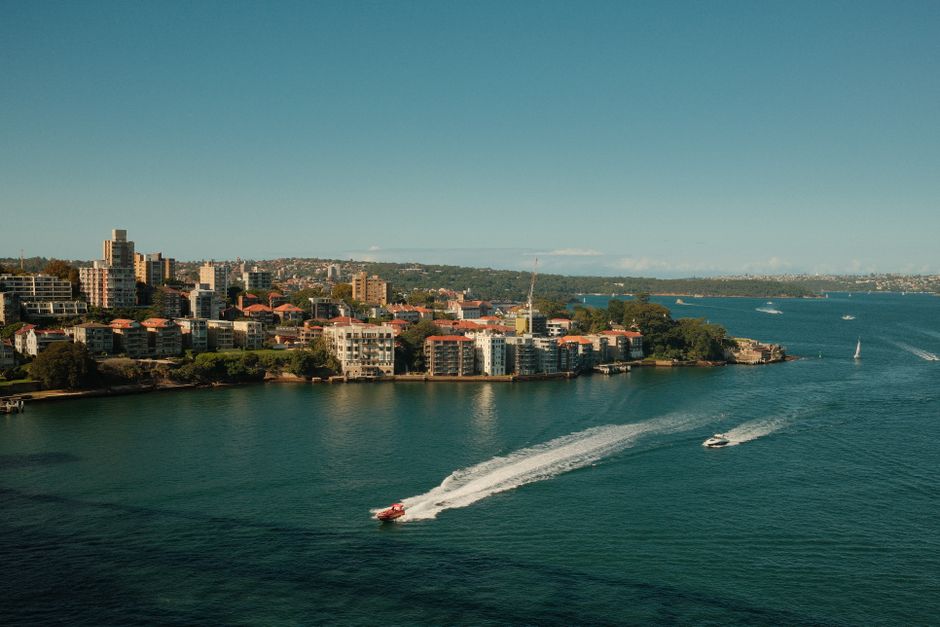
The most useful family travel kit is small: one payment method per adult, one route-planning app, one water system, and one way to identify lost belongings. None of these tools replaces supervision, but each removes a common source of stress.
Which transport and map tools are worth using?
Adults can tap on and tap off with a contactless Visa or Mastercard, Apple Pay, Google Pay, or Samsung Pay. Children aged 4 to 15 need a Child/Youth Opal card to receive child fares. The Opal card itself is free, and the current child daily cap is $9.65 from Monday to Thursday and $4.80 on Fridays, weekends, and public holidays. The adult caps are $19.30 from Monday to Thursday and $9.65 on Fridays, weekends, and public holidays. Those caps make public transport the best choice for most sightseeing days.
Install the free Transport for NSW app for service updates and route planning, then keep Google Maps installed as a second map. The Transport for NSW app is the stronger choice for live transport information; Google Maps is better for checking walking entrances, food stops, and the exact location of a playground. Do not rely on a single phone. Save the hotel address in both adults’ phones and take a screenshot of the route before leaving Wi-Fi.
What small products solve real family problems?
The Anker 323 Power Bank 10,000mAh is a practical backup for long ferry and zoo days; it weighs about 200 grams and usually sells around the A$30 to A$40 range in Australia. An Apple AirTag, listed by Apple at about A$49 for one, helps locate a checked bag or a daypack but should not be used as a substitute for watching a child. For water, the CamelBak Eddy+ Kids 400ml bottle is easier for small hands than a large insulated flask and commonly costs about A$25 to A$35. For sun protection, Cancer Council Kids Sunscreen SPF50+ is a sensible Australian option, often sold in 200ml packaging for about A$15 to A$20. Check the current shop price before travelling because retail prices change.
My clear pick is the free Child/Youth Opal card for every eligible child, paired with the Transport for NSW app. They save more confusion than any sightseeing pass.
What mistakes should families avoid in Sydney?
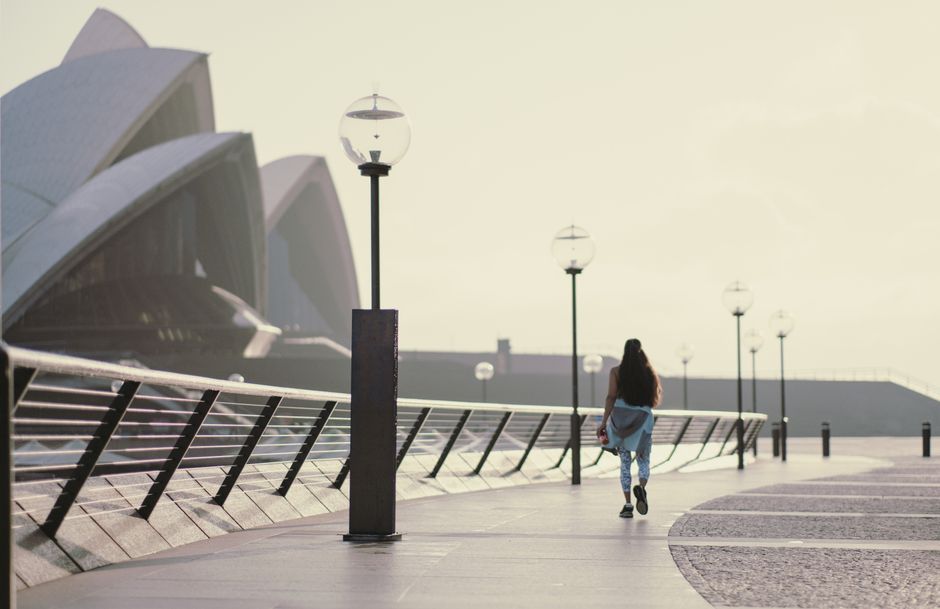
The biggest mistake is treating Sydney as one compact attraction district. The harbour, eastern beaches, northern beaches, western suburbs, and central museums sit in different travel patterns. A family that crosses the city three times a day will spend the holiday managing queues and complaints instead of enjoying the city.
Fix these five common planning errors
- Booking too many timed attractions: leave at least one open block each day for food, rest, weather changes, or a child who needs a quiet hour.
- Using adult contactless cards for children: this can remove the child fare benefit. Get Child/Youth Opal cards for eligible children aged 4 to 15.
- Walking the full coastal route by default: choose a short section of the Bondi to Coogee walk and turn back when the heat rises.
- Arriving at the zoo after lunch: Taronga Zoo needs several hours and includes hills. Start early or choose another attraction.
- Ignoring the airport station fee: the Sydney Airport train includes a separate access fee. Compare the total cost before choosing the train, taxi, or a pre-booked transfer.
When should you skip the expensive attraction?
Skip Taronga Zoo if your children dislike animals, struggle with long walks, or your visit falls during a very hot afternoon. Choose the Australian Museum or a ferry ride instead. Skip Bondi if the children want calm water and a low-effort day; Manly gives you more ways to change the plan without another long journey. Skip a sightseeing pass if you will visit only one or two paid attractions. Calculate the individual entry prices first, then buy only when the pass clearly saves money.
For most families, the winning formula is five location-based days: central Sydney first, Taronga Zoo early, one beach day, Manly by ferry, and an indoor museum day as weather insurance. Book a central base, use Child/Youth Opal cards, start outdoor activities before 9:30am, and keep one afternoon free. That combination gives you the best balance of harbour views, animals, beaches, rest, and manageable travel during the summer holidays.