

I’ve watched a grown man cry at a check-in counter in Lisbon because his passport had a tiny tear on the photo page. The airline refused to board him. This stuff matters more than people think. Here’s the system I use after 15 years of international travel, updated for what’s changing in 2026.
Most people obsess over packing lists and ignore the documents that actually get them across borders. That’s backwards. Your passport, visa, and digital backups are the trip. Everything else is just luggage.
The 2026 Document Requirements Nobody Tells You About
Two things are shifting in 2026 that will catch people off guard. First, the ETIAS authorization for Europe is now fully operational. If you’re American, Canadian, or British and flying to Schengen countries, you need this $7 online registration before you board. Airlines are checking at check-in, not just at European borders. I’ve seen people turned away at JFK because they didn’t have it.
Second, several countries now require passports to be valid for six months beyond your return date, not just beyond your arrival date. This is a subtle difference that ruins trips. Indonesia, Thailand, and the UAE all enforce this strictly. Check your expiration date right now. If it’s within eight months of your planned return, renew before booking anything non-refundable.
Passport validity rules by region
| Region | Validity Required | Blank Pages Needed | Notes |
|---|---|---|---|
| Schengen Area (EU) | 3 months beyond departure | 2 | ETIAS required for visa-exempt travelers |
| Southeast Asia (Thailand, Indonesia, Vietnam) | 6 months beyond arrival | 2 | Vietnam e-visa requires passport scan upload |
| Middle East (UAE, Qatar, Saudi) | 6 months beyond arrival | 1 | GCC visa-on-arrival rules differ by nationality |
| South America (Brazil, Argentina, Chile) | 6 months recommended | 1 | Brazil reinstated visa requirements for US citizens |
| Caribbean | 3-6 months varies by island | 1 | Some islands accept passport cards for cruise arrivals |
This table lives in my travel planning spreadsheet. I check it before every booking. It’s saved me twice.
Visa Timelines: When to Apply for What

Here’s the thing about visas: the official processing times are optimistic. Embassies get backed up. Staffing shortages happen. If a country says “10 business days,” plan for 20. If they say “30 days,” plan for 45. This is not paranoia. It’s math based on watching friends miss trips.
For 2026, these are the timelines I actually use:
- Schengen visa (if you need one): Apply 8-10 weeks before departure. Use VFS Global or TLScontact. Book the appointment first, then gather documents. Appointments are the bottleneck, not processing.
- Vietnam e-visa: Apply 3-4 weeks before. The official site is evisa.xuatnhapcanh.gov.vn. Everything else is a reseller charging $25 for a $25 service.
- Brazil e-visa (US citizens): Apply 6 weeks before. The portal is clunky and rejects photo uploads for stupid reasons. Use a white background, no shadows, ears visible.
- China L visa: Apply 6-8 weeks before. You’ll likely need an in-person appointment at a Chinese consulate. The visa application form is 10 pages. Don’t do this last minute.
- India e-visa: Apply 2-3 weeks before. The payment gateway sometimes fails with US credit cards. Try a different card or use a debit card.
One more thing: some countries require proof of onward travel before they’ll issue a visa or let you board. Airlines enforce this too. If you’re doing open-ended travel, book a refundable flight out or use a service like Onward Ticket ($16) that generates a real reservation that auto-cancels.
The Digital Backup System I Actually Use
Here’s my setup. It’s not complicated, but it’s specific.
I photograph every document with my phone: passport photo page, visa pages, driver’s license, travel insurance policy, vaccination records, prescription meds. Then I upload everything to a password-protected folder in Google Drive, plus a second copy in Dropbox. Redundancy matters because one service could be down when you need it.
I also email myself a zip file with everything. Gmail search works offline on the app. If I lose my phone AND my passport, I can log into email from any computer and get what I need.
For physical copies, I carry one printed copy of my passport photo page and visa, kept separate from my actual passport. Hotel safes are fine for this. If my passport gets stolen, that paper copy makes the embassy process dramatically faster.
For border crossings, I use the Mobile Passport Control app (free, from US Customs and Border Protection) when re-entering the US. It’s faster than Global Entry lines at most airports. Clear is a different product entirely — it’s for airport security, not customs. Don’t confuse them.
What Actually Goes Wrong at Border Control
After watching dozens of people get pulled aside, here’s what actually triggers problems:
- Damaged passports. Water damage, torn pages, peeling laminate. If your passport looks rough, replace it. A $130 renewal fee is cheaper than a ruined $3,000 trip.
- Mismatched names. Your ticket says “Mike Smith” but your passport says “Michael Smith.” Airlines are stricter about this now. Book tickets with your exact passport name.
- No proof of accommodation. Some countries ask where you’re staying. Have the address of your first hotel saved offline. Screenshots work if you don’t have data.
- Expired travel insurance. Countries like Cuba, Turkey, and Ecuador require proof of medical insurance. Print the policy summary page. Show it without being asked.
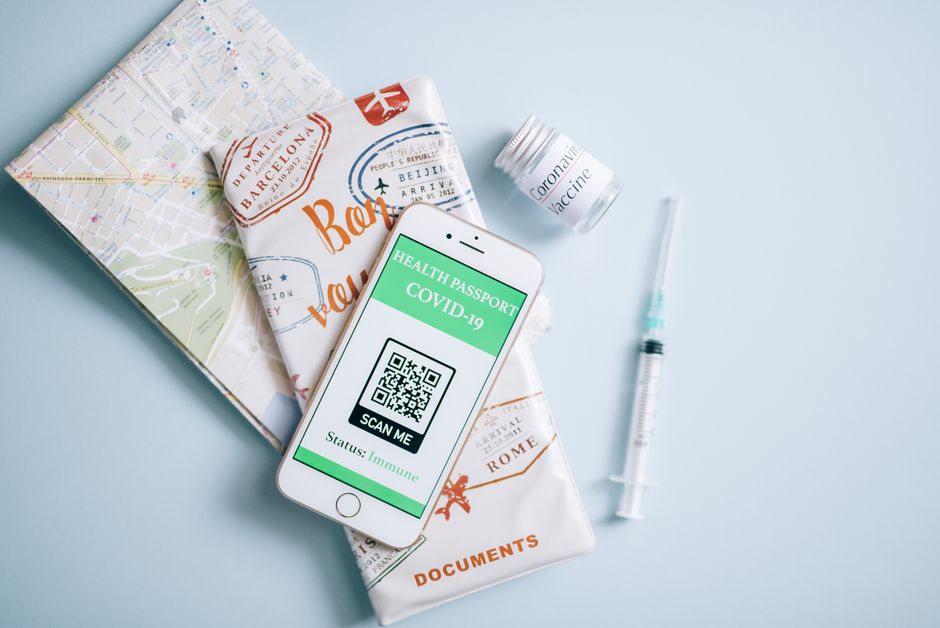
- Vaccination records. Yellow fever certificates are still required for some Africa and South America entries. Keep the original card, not just a photo. Some officials reject digital copies.
None of this is hard to fix in advance. It’s only hard when you’re standing at a counter with a flight leaving in 45 minutes.
When You Don’t Need to Overthink This
If you’re flying from the US to Mexico, Canada, or the Caribbean on a direct flight with a passport that’s valid for six more months, you’ll be fine. Show up, hand over the passport, move on. The elaborate prep I described is for multi-country trips, countries with visa requirements, or anyone traveling with kids (different rules for minors, especially if only one parent is present).
That said, the digital backup takes 10 minutes. Do it anyway. The one time you need it, you’ll need it badly.
For the actual document holder, I use a Bellroy Travel Folio ($129) when I’m carrying multiple passports and visas. For single-country trips, a cheap RFID-blocking sleeve from Amazon does the job. Don’t buy the $200 leather passport holders. They’re jewelry. The Bellroy is the only one I’ve found that fits boarding passes without folding them and has a pen loop that doesn’t fall apart.
One last thing: check your passport’s expiration date tonight. Not tomorrow. Not next week. The six-month rule catches more people than any other document issue. And renewals are taking 4-6 weeks for routine service, 2-3 weeks for expedited. Plan accordingly.