
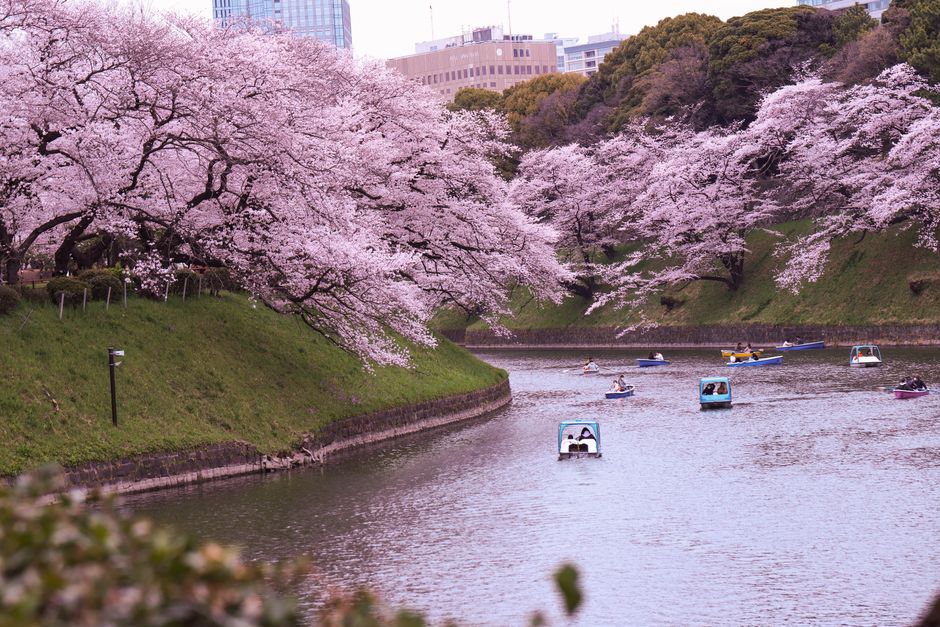
Wondering if Japan with kids during cherry blossom season will feel magical or exhausting? The answer comes down to timing, distance, and how many major sights you attempt in one day. Build the trip around one or two bases, plan outdoor visits before lunch, and leave room for naps, snacks, and weather changes.
Cherry blossoms are beautiful but brief. Crowds are also real, especially at famous parks in Tokyo and Kyoto. A successful family trip does not require seeing every famous tree. It requires choosing a realistic bloom window, staying near a useful train line, and treating each day as one main outing rather than a race across the city.
Tokyo and Kyoto beat a rushed multi-city route
Why the two-city route works
Choose Tokyo and Kyoto for seven days because the contrast gives children two clear experiences: modern city energy first, then temples, gardens, and slower streets. The Tokaido Shinkansen connects the cities in roughly two hours and fifteen minutes on the fastest services, so the transfer feels like part of the adventure rather than a lost travel day. Keep Tokyo to four nights and Kyoto to three, or reverse the split if your international flight makes Osaka easier.
When to skip the extra destination
Skip Hiroshima, Hakone, Nara, and Osaka as separate hotel bases on a short trip. Each place is worthwhile, but moving luggage, checking in, finding meals, and navigating stations can consume the same energy as the attraction itself. Add one day trip only after the children can handle a full city day without a meltdown, and choose Nara from Kyoto or Hakone from Tokyo rather than changing hotels again.
A family needs fewer locations and more recovery time. One excellent park, one easy train ride, and one familiar dinner often create better memories than six famous landmarks squeezed into a schedule. The clear winner for first-time visitors is Tokyo plus Kyoto, with one optional day trip and no third base.
How to build a seven-day family itinerary
Days 1–2: land gently in Tokyo
Use the arrival day for food, a short neighborhood walk, and an early bedtime. Do not schedule teamLab, Tokyo Disneyland, or a major shrine immediately after a long flight. Stay near Ueno, Tokyo Station, Shinjuku, or Asakusa based on your priorities, but check the walking route from the station before booking. A hotel that looks close on a map can still require ten minutes of stairs, crossings, and underground corridors.
On day two, start with one blossom site before 9 a.m. Choose Shinjuku Gyoen, Ueno Park, Chidorigafuchi, or a smaller neighborhood park. Then move to a child-friendly indoor stop such as the National Museum of Nature and Science in Ueno or a department-store food hall. This order matters: children get the outdoor highlight while rested, and the indoor backup protects the afternoon if rain arrives.
Days 3–4: make the Tokyo plan flexible
Give day three a simple theme: trains, animals, technology, or food. Families who love vehicles may prefer Tokyo Station and a railway museum day; families with younger children may prefer an aquarium or a large playground. Keep the evening close to the hotel. If you choose Tokyo Disneyland, give it the whole day and remove every other major attraction from the schedule.
Use day four for a second blossom location or a slow neighborhood. Leave a two-hour rest block after lunch. Children often walk more in Japan than parents expect because stations, temples, shopping streets, and parks connect into long routes.
Days 5–7: transfer once, then settle in Kyoto
Take the Shinkansen to Kyoto after breakfast and reserve seats together. Store large luggage at the hotel or use a delivery service before sightseeing. Spend the first Kyoto afternoon around one compact area, such as Gion and Maruyama Park, rather than crossing the city for several temples. On day six, visit Arashiyama early or choose the Philosopher’s Path if the blossoms are strong. On day seven, pick one final temple, garden, or market, then leave time for the airport transfer.
For children, this route works because every day has a main event, a short food stop, and an escape hatch. That is the right rhythm for cherry blossom travel.
What to book, pack, and download before departure
Book the sleep plan before the famous attractions
Reserve the hotel first, ideally within a short walk of a station with an elevator. Ask for bed configuration, crib availability, laundry access, and whether the room fits open suitcases. A traditional ryokan can be wonderful, but confirm that futons, shared bathrooms, and early dinner times suit your children. Pack layers rather than heavy coats: spring days can feel mild, yet mornings and evenings can be cold, and rain can arrive without much warning.
Reserve Shinkansen seats as soon as your intercity dates are fixed. If you have a stroller or large suitcase, choose seats near the back of the carriage and check current baggage rules. Children under six may travel without a separate fare in some situations, but a reserved seat requires careful checking, especially when traveling during a peak period.
Use transit tools that reduce decisions
Download Google Maps for free and set the route option to show accessible paths when traveling with a stroller. It can identify elevators, but station conditions can still change, so ask staff when the route becomes unclear. The free Japan Transit Planner by Jorudan is useful for comparing train times and fares, while the SmartEX app helps eligible travelers reserve Tokaido Shinkansen seats online.
For dense Tokyo sightseeing, the Tokyo Subway Ticket is worth checking: the 24-hour version costs ¥1,000 for adults and ¥500 for children and covers Tokyo Metro and Toei Subway lines. It is a poor buy on a slow day with only two short rides, but a good fit for a packed museum-and-park day. From Narita Airport, the JR East N’EX TOKYO Round Trip Ticket costs ¥5,200 for adults and ¥2,600 for children aged six to eleven, is valid for fourteen days, and can reduce airport-transfer friction when your itinerary begins and ends in Tokyo. Confirm prices before purchase through the Tokyo Metro ticket page and JR East N’EX information.
Pack for stations, parks, and small emergencies
- Bring a compact stroller plus a soft baby carrier if your child is young. Elevators exist at many major stations, but a carrier is faster on crowded platforms and narrow temple paths.
- Carry snacks that do not melt, a refillable water bottle, tissues, hand wipes, and one spare outfit per small child.
- Use a lightweight day bag instead of rolling several suitcases through stations. Keep passports, medication, and one change of clothes in the same pouch.
- Carry some Japanese yen. Cards work widely in cities, but smaller restaurants, buses, and rural attractions may still require cash.
The best purchase is usually the one that removes a daily problem. For this trip, that means a reliable transit app, a manageable stroller setup, and reserved seats rather than a large pile of travel gadgets.
Which cherry blossom mistakes ruin a family trip?
What if the blossoms open early?
Do not rebuild the entire trip around one missed peak. Visit riverside paths, temple grounds, gardens, and neighborhood parks instead of chasing a single social-media location. Blossom timing varies by tree and by microclimate, so a famous avenue may be past peak while another garden still looks excellent. Keep two candidate parks in each city and decide after checking the morning update.
Should we bring a stroller?
Bring one if your child still naps or cannot walk several kilometers, but choose a narrow, easy-fold model. A wide double stroller can be awkward on buses and crowded station platforms. During rush hour, fold it when safe and use a carrier. JNTO advises families to check station accessibility, use elevators where possible, and avoid the busiest train periods when traveling with a stroller. The practical rule is simple: stroller for long outdoor days, carrier for crowded transfers.
When should we skip the big parks?
Skip a famous park when the queue, weather, or crowd level is already making the children miserable. A quiet local park with ten healthy trees beats a two-hour wait for one photograph. Avoid stacking a dawn picnic, a temple tour, a long train ride, and a night illumination on the same day. Public trains also require quieter voices and orderly boarding, so plan snacks for long-distance trains rather than local subway rides.
The biggest failure is treating the blossoms as the whole purpose of the trip. Japan still offers excellent food, trains, aquariums, arcades, gardens, castles, and small discoveries if the flowers are early or late. Plan for sakura, but build a family holiday that remains enjoyable without it. That approach will matter even more as seasonal travel grows busier and families look for calmer ways to experience Japan.