
The common misconception is that Queensland winter guarantees hot beach weather every day. August on the Gold Coast is milder and drier than summer, but mornings can feel cool, ocean water can surprise children, and strong coastal wind can change the plan quickly. Families who build around those facts usually get better beach time, shorter queues, and fewer tired arguments. This is not legal advice — consult a licensed attorney.
The practical verdict is clear: August is a strong month for a Gold Coast family holiday if you treat the coast as a flexible outdoor destination rather than a nonstop swimming trip.
Is August a good month for a Gold Coast family holiday?
Expect mild days and cool starts
August on the Gold Coast typically brings daytime highs in the low 20s °C, cool nights in the low to mid teens and relatively little rain. That pattern shows the planning problem accurately: midday can feel warm in the sun while breakfast outside may need a jumper. Check the forecast during the week before departure rather than packing for a tropical summer.
August also gives families useful daylight for outdoor plans. Start walks, markets, and wildlife visits after the morning chill lifts. Keep swimming, paddleboarding, and long beach sessions for the warmer middle of the day. The Bureau of Meteorology’s Gold Coast Seaway observations are a better reference than a generic weather app for understanding local conditions.
Make the water a choice, not the whole holiday
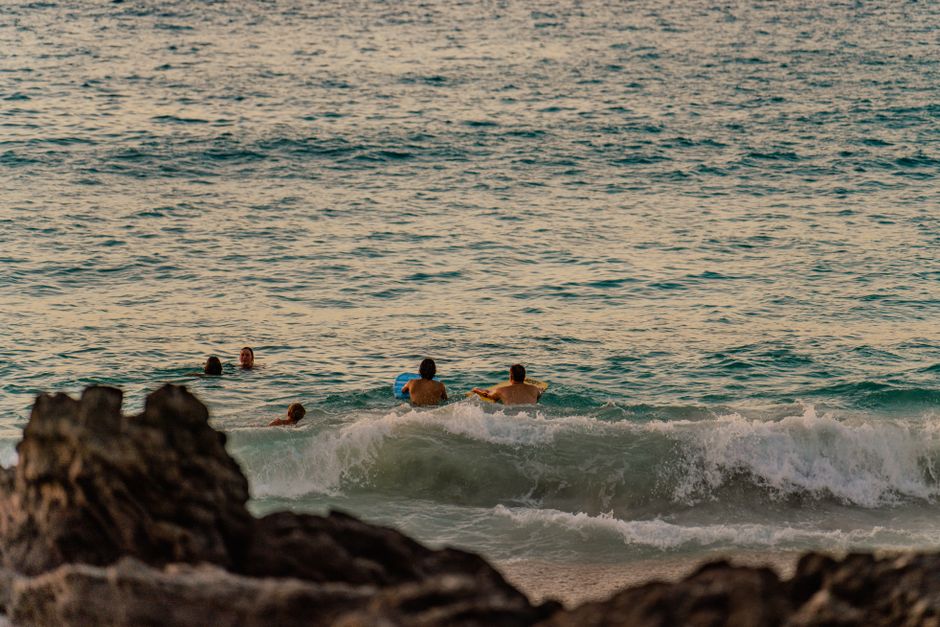
Some children will happily swim in August. Others will last ten minutes. That difference matters when accommodation, meals, and transport have been planned around the beach. Use the sand for morning walks, shell spotting, beach games, and photography even when the water feels too cold. Visit a heated pool or indoor activity on the same day if swimming is central to the family’s plans.
Verdict: August is one of the better Gold Coast months for families who want comfortable sightseeing, lower humidity, and outdoor variety. It is the wrong month for anyone expecting every day to feel like midsummer.
What should families pack for the Gold Coast in August?

Use a three-layer plan
Pack one light jumper or fleece for each person, a breathable daytime layer, and a wind-resistant outer layer. A family of four can usually manage with one medium suitcase per adult plus a shared day bag if everyone repeats casual basics. Include long trousers for early evenings, shorts for sunny afternoons, and one swimsuit per person even if the forecast looks cool.
- Pack closed shoes for hinterland walks, wildlife parks, and theme-park queues.
- Add sandals or thongs for accommodation and beach access.
- Carry a compact rain jacket for sudden showers and a spare dry top for children.
- Bring a wide-brim hat, sunglasses, and SPF 50+ sunscreen. Winter sun still causes burns.
- Keep a refillable water bottle and simple snacks in the day bag.
Protect the day from small failures
Children often need more than clothing. Pack a small first-aid kit, blister patches, motion-sickness supplies if winding hinterland roads are planned, and a waterproof pouch for wet swimwear. Keep one warm layer in the car or stroller rather than leaving it in the hotel room. Coastal wind makes a sunny 21°C afternoon feel colder than the forecast suggests.
Do not pack only beach clothing. That is the most common August mistake. A family can lose an entire morning when everyone is cold, wet, or missing suitable shoes before a rainforest walk.
Choose comfort over excess
Leave bulky winter coats at home unless you are travelling from a much colder climate. The Gold Coast rarely needs heavy snow-country clothing. Lightweight layers dry faster, fit in day bags, and work across beaches, cafés, wildlife centres, and the hinterland.
Verdict: Pack for four conditions in one day: cool morning, sunny afternoon, coastal wind, and a brief shower.
How should a family plan five days in August?
Use one major activity per day
- Day one: Stay close to your base. Walk the beach, buy groceries, and use the afternoon to adjust after travel. This prevents a tired child from setting the tone for the whole holiday.
- Day two: Choose one major attraction, such as Warner Bros. Movie World or Sea World, and arrive near opening time. Keep the evening simple.
- Day three: Plan a flexible beach and city day. Try the G:link, visit a playground, and leave room for a café stop or an early return.
- Day four: Visit Currumbin Wildlife Sanctuary or take a southern-coast outing. Add a backup indoor activity if rain or wind becomes uncomfortable.
- Day five: Use the morning for Burleigh Head National Park, a short coastal walk, or a final swim. Keep the afternoon free for airport or road-trip timing.
Build around energy, not distance
A theme park day can involve several hours of standing, walking, queues, and noise. Do not place another ticketed attraction immediately afterward because the map makes the locations look close. Young children often manage one demanding activity, one meal, and one quiet break better than three rushed highlights.
Keep one weather-proof option
Indoor play centres, cinemas, shopping areas, museums, and accommodation facilities can rescue a windy day. Reserve the most weather-sensitive activity for a day with a flexible cancellation policy when possible. A rainforest walk is more enjoyable when the family has dry shoes and enough daylight to return without rushing.
Verdict: The strongest five-day plan has two major attraction days, one wildlife or hinterland day, one beach-and-rest day, and a final day with no tight booking.
What mistakes make a Gold Coast winter trip harder?
Mistake one: treating beach conditions as predictable
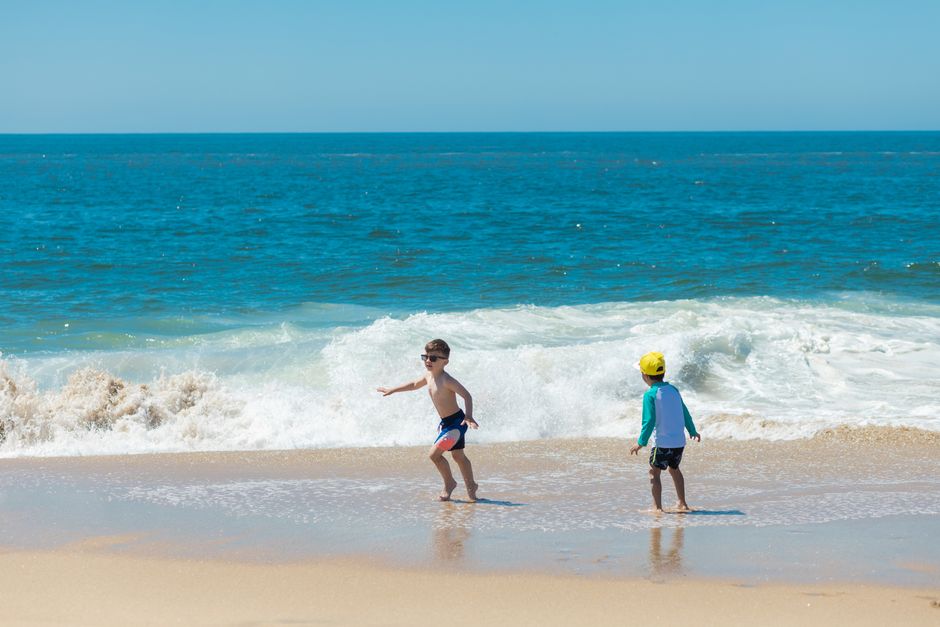
A sunny forecast does not guarantee calm water. Wind, swell, surf conditions, and patrol arrangements change. Swim only between red and yellow flags, follow lifeguard directions, and check local beach signs. Families should not assume a sheltered-looking section is safe for children. If the beach is closed or conditions look beyond a child’s ability, change the activity rather than trying to preserve the original plan.
Cold water is another failure point. Parents often plan a two-hour swim because the air temperature looks warm, then discover the children are shivering after twenty minutes. Carry dry clothes and set a clear exit point before entering the water. That simple rule avoids the familiar argument about leaving while everyone is already uncomfortable.
Mistake two: booking every hour
Gold Coast distances look manageable on a map, but loading children into a car, finding parking, walking through a large venue, and waiting for food all consume time. Leave at least two hours of open space each day. The gap is not wasted time; it is what makes the itinerary usable when breakfast runs late, a child needs a nap, or a queue is longer than expected.
Do not assume a public holiday, school-holiday period, event weekend, or popular attraction will have the same crowd levels as an ordinary weekday. Check opening hours and booking conditions directly before paying. Attraction schedules and prices can change, so a search result from an old blog is weak evidence.
Mistake three: misunderstanding transport fares
Translink services in South East Queensland currently use a 50-cent flat fare per journey, but Airtrain has separate fares. Visitors can use the go explore card for unlimited Gold Coast bus and tram travel for $1.50 per day, with children under five travelling free. The card does not cover Queensland Rail trains or Brisbane services. Tap on and off with the same card or device; failing to do so can create a default fare. Translink’s current fare page and go explore conditions should be checked before departure.
Verdict: The biggest risk is not cold weather. It is an overfilled schedule that leaves no room for wind, queues, tired children, or transport delays.
Should you choose the Gold Coast or another Queensland winter destination?

Is the Gold Coast better for young children?
Usually, yes, if the family wants short transfers, easy food access, beaches, parks, wildlife, and attractions within one broad coastal area. Surfers Paradise, Broadbeach, and Main Beach make it possible to reduce driving. The trade-off is a busier urban feel and more commercial development than a smaller coastal town.
Is the Sunshine Coast better for a quieter break?
It can be. Families seeking long beach walks, smaller town centres, and a slower pace may prefer Noosa or the Sunshine Coast. The Gold Coast wins when the group wants more structured activities and several backup choices for cool or windy days. It also offers a stronger mix of theme parks, light rail access, nightlife, and major dining areas.
When should a family not choose the Gold Coast?
Choose another destination if the main goal is remote nature, a quiet apartment beside an uncrowded beach, or a holiday with almost no scheduled attractions. The Gold Coast is a poor fit for travellers who dislike traffic, large venues, and built-up beachfront areas. For everyone else, August offers a practical balance: mild daytime weather, manageable outdoor conditions, and enough indoor and family-focused alternatives to keep one difficult weather day from ruining the trip.
The single most important takeaway: Plan a Gold Coast family holiday in August around mild winter weather, one major activity per day, and a reliable backup for cold or windy conditions.