
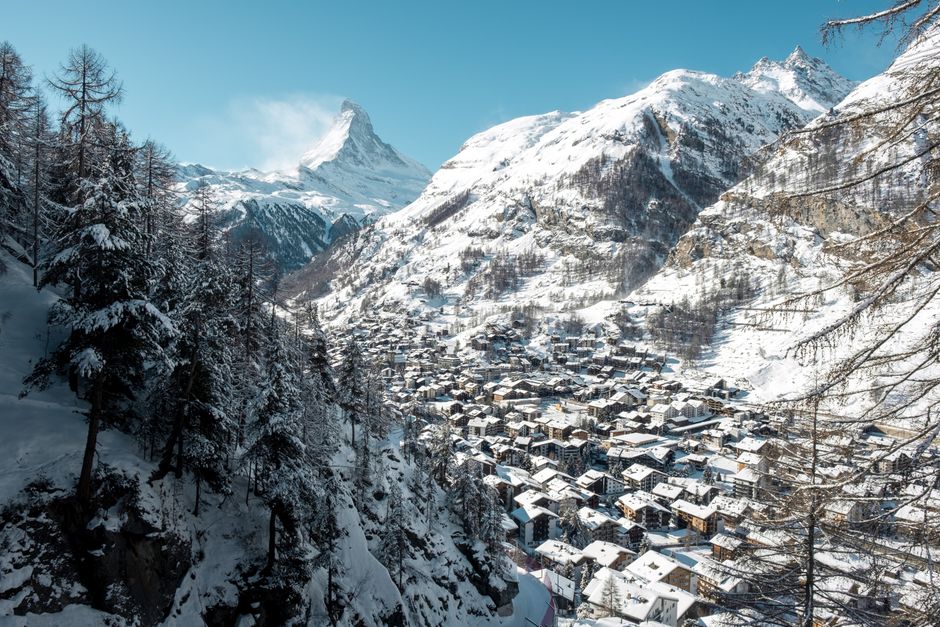
The best first family ski holiday in the Alps is not the biggest or most famous one. Choose a compact resort with a short transfer, a nursery slope beside the village, reliable beginner lessons, and accommodation close to the lifts. That decision matters more than the view from the balcony.
Parents often make the same mistake: they book a beautiful high-altitude resort, then spend the week dragging tired children through buses, steep streets, long restaurant queues, and expensive ski lessons. A first trip should feel easy. Save the dramatic terrain for later.
What does a family ski holiday in the Alps really cost?
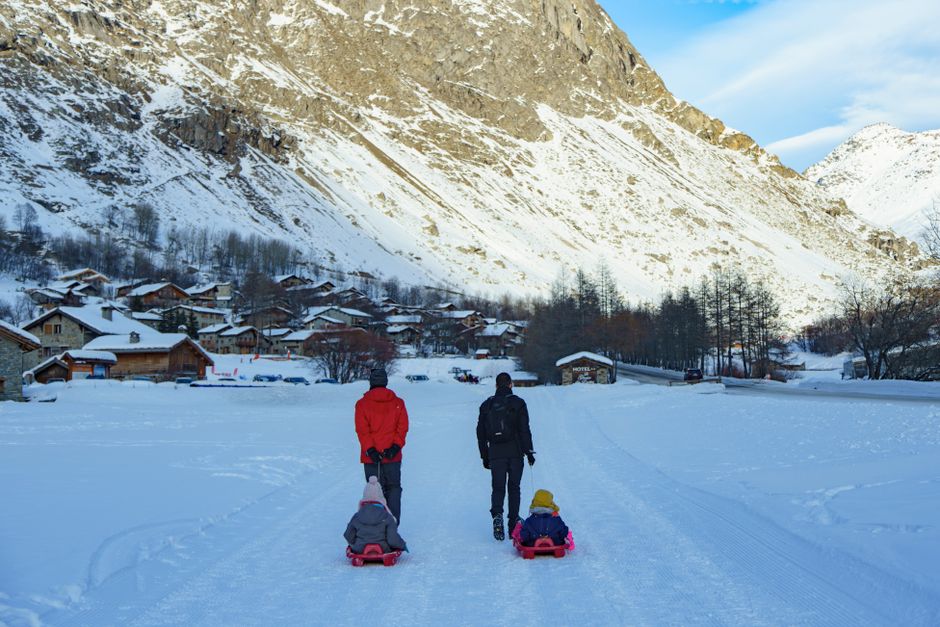
A family of four should plan carefully because skiing has several separate costs. The accommodation price is only the start. You may also pay for transfers, lift passes, lessons, equipment hire, food, insurance, and warm clothing. A cheap room in a poor location can cost more once you add taxis and daily transport.
A realistic seven-night budget for a family of four
| Expense | Planning range | What changes the price |
|---|---|---|
| Accommodation | €1,400–€3,200 | Village location, school dates, apartment size |
| Return airport transfer | €250–€600 | Airport, private vehicle, shared shuttle |
| Lift passes | €600–€1,100 | Resort, child age, six or seven ski days |
| Group lessons | €500–€1,000 | Lesson length, age group, peak dates |
| Equipment hire | €350–€650 | Junior or adult kit, helmet hire, package level |
| Food and extras | €700–€1,400 | Self-catering, restaurants, snacks, activities |
| Total | €3,800–€7,950 | Use the lower end outside school holidays |
These are planning figures for a 2026 trip, not guaranteed quotes. The expensive weeks around Christmas, New Year, February half-term, and Easter can push the total far higher. A family that travels during January or late March usually gets better value, especially when children are not tied to school dates.
Where parents waste money
The biggest waste is paying for a full-area lift pass before anyone knows if the children will leave the beginner zone. Start with a local or beginner pass if the resort offers one. You can upgrade later. The second waste is booking a room that looks close on a map but sits at the top of a steep road. Ten minutes on foot in normal shoes can become twenty-five minutes in ski boots while carrying helmets and poles.
The best money-saving decision is simple: rent skis and boots locally for the first trip. Children grow quickly, equipment takes up valuable luggage space, and rental shops can adjust boots or swap skis when something feels wrong. Buy equipment only after a child has skied enough to show a stable size, preference, and commitment.
What should parents book before flying?
Book the parts that sell out first, then fill in the flexible details. Families who leave every decision until arrival often find that the only remaining lessons are at inconvenient times or that the nearest rental shop has no matching junior boots.
Use this booking order
- Choose the dates. Avoid the busiest school-holiday week if your schedule allows. January and the second half of March are often calmer than February.
- Check the transfer. Aim for a journey under ninety minutes from the airport. Ask if the vehicle has child seats and enough space for luggage.
- Book accommodation near the beginner area. A ski-in property is helpful, but a flat five-minute walk can be just as useful and often costs less.
- Reserve lessons. Check the minimum age, language, meeting point, group size, and cancellation policy. A three-hour group lesson may be too long for a four-year-old.
- Reserve equipment. Give accurate height, weight, shoe size, and ability level. Do not guess a child’s weight to get cheaper equipment.
- Buy insurance. Confirm that it covers skiing, rescue, medical treatment, piste closure, and cancellation. Standard travel insurance may exclude winter sports.
- Plan non-ski days. Put one flexible afternoon on the schedule for swimming, sledging, a café, or an early night.
What to ask the ski school
Ask who teaches the youngest groups, how children take bathroom breaks, where lunch happens, and what the school does when a child refuses to ski. A good school answers clearly. It should also explain the meeting point in plain language, because some resorts have several lifts with similar names.
Parents should not assume siblings belong in the same group. A confident seven-year-old and a cautious five-year-old may learn better apart. Book based on ability and attention span, not family convenience. The practical verdict: a short, well-timed lesson with a calm instructor beats a long lesson that leaves a child crying beside the lift.
How should children dress and prepare for their first ski lesson?
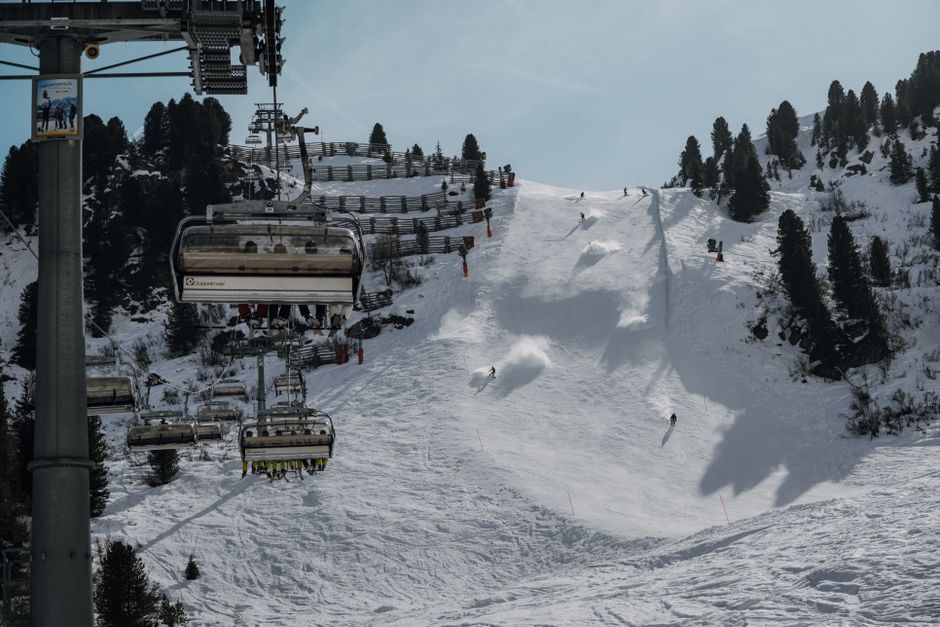
Warm, dry children learn. Cold, wet children quit. The correct clothing system matters more than buying fashionable ski gear.
What should a child wear on the mountain?
Use three layers: a close-fitting base layer, an insulating middle layer, and a waterproof outer layer. Avoid cotton. Once cotton gets wet, it stays cold. Look for a ski jacket and trousers with taped seams, snow cuffs, a lift-pass pocket, and a waterproof rating around 10,000 mm or higher. A Reima Stavanger snowsuit is a familiar option for younger children, while Decathlon Wedze jackets are widely available for families who want lower-cost kit. These are examples, not mandatory purchases; rental shops and hand-me-downs work perfectly well when the clothing fits.
Pack two pairs of gloves per child. Gloves disappear, soak through, and get dropped. Add a thin neck warmer, wool or synthetic socks, goggles, sunscreen, and a helmet that fits firmly without rocking from side to side. A helmet is essential, even on the nursery slope. The exact brand matters less than fit, warmth, and dry hands.
What should children practise before the trip?
Teach the basic routine at home: how to put on gloves, how to carry a helmet, how to sit down safely, and how to tell an adult that they are cold or need the toilet. Show them a simple snowplough shape using their hands or toy skis. Do not try to teach advanced technique in the living room. The goal is confidence with the equipment, not a home ski lesson.
On the first morning, feed children before the lesson and arrive fifteen minutes early. Do not add pressure with phrases such as “you must ski today.” Let the instructor lead. Parents who hover beside the lesson often make children look back for approval instead of listening. Watch from a distance, then praise effort rather than speed.
Which mistakes ruin a first family ski trip?
My strongest advice is to protect energy before protecting the itinerary. A first ski holiday succeeds when the family finishes the week wanting to ski again. Four hours on the slopes is not automatically better than two good hours followed by lunch and a warm afternoon.
The mistakes to avoid
- Booking a resort with a two-hour transfer because the flights are cheaper.
- Choosing accommodation beside nightlife and expecting young children to sleep through it.
- Putting a nervous beginner into private lessons with an aggressive timetable.
- Buying a full-area lift pass before checking which lifts the children can use.
- Ignoring boot discomfort. Painful boots can end a lesson within twenty minutes.
- Planning six consecutive ski days with no recovery time.
- Assuming a child who swims or cycles well will automatically enjoy skiing.
- Taking children onto a steep run because the route back looks short on the map.
When should you choose a different type of holiday?
Do not book an Alpine ski holiday if the children strongly dislike cold weather, cannot tolerate bulky clothing, or are unlikely to manage several hours outdoors. A winter city break, a snow play resort, or a short indoor ski lesson may be a better first test. You can also choose a three-night trip rather than a full week. That limits the financial risk and gives the family a clear answer about skiing without turning one bad day into a costly disaster.
For most families, the best first-trip formula is a compact village, four or five ski days, group lessons in the morning, a simple apartment or family room, and one unscheduled afternoon. The comparison is straightforward:
| Priority | Best choice for a first trip | Why it wins |
|---|---|---|
| Resort | Compact and walkable | Less carrying, fewer transfers, easier routines |
| Dates | January or late March | Usually calmer and better value than peak weeks |
| Lessons | Short group lessons matched by ability | Children learn with less pressure |
| Equipment | Local rental for the first holiday | Flexible sizing and less luggage |
| Schedule | Four or five ski days with rest time | More enjoyment and fewer meltdowns |