
Your children want a pool, a beach, and a room close to the snack bar. You want reliable sunshine, calm water, a short transfer, and one evening when nobody asks what happens next. That is the real family winter problem: the Caribbean is not one destination, and a beautiful island can still create a tiring week.
For winter 2026, my clear pick for most families is Aruba. It has unusually dry weather, steady flights from major North American gateways, and beaches that work well for first-time swimmers. Punta Cana wins for all-inclusive value and large resort facilities. Jamaica wins for a classic beach holiday with strong kids’ programming. Barbados is the best choice for families who want local food, public beaches, and more freedom than a resort compound.
How winter weather changes the Caribbean choice
Dry does not mean rain-free
December through February falls within the Caribbean’s early dry season, but showers still happen. The useful question is not “Will it rain?” It is “Can the family still use the beach after a short shower?” Aruba is the strongest answer because its annual rainfall is low and most rain arrives in October and November. The island is warm year-round, with an average temperature near 83°F, and trade winds help take the edge off the heat.
Punta Cana and Jamaica can offer excellent winter weather, but their larger hotel zones create more variation from one coast to another. A ten-minute shower is not a crisis. A beach with rough water, no shade, and a forty-minute drive back to the room is the bigger problem.
Match water conditions to swimming ability
Young children need a protected swimming area, not just a beautiful aerial photograph. Aruba’s Palm Beach has a busy resort strip and easy access to food, bathrooms, and shade rentals. Barbados’ west coast is calmer than the Atlantic-facing east coast, where surf and trade winds make beaches better for experienced swimmers and surfers. In Jamaica, Negril’s long beach is appealing, but ask the hotel about the exact swimming area and seasonal sea conditions before booking.
Use the two-hour rule
Plan no more than two hours of structured activity before returning to the room or pool. This simple limit protects the day from heat, hunger, and tired children. Book morning excursions, keep lunch flexible, and treat a cloudy afternoon as pool time rather than a failed vacation. Families often lose more time chasing perfect weather than they lose to the weather itself.
What to check before booking a family room
Run this five-point test
- Transfer time: Keep the airport-to-room journey under 60 minutes for children under five. Punta Cana resorts near the airport are easier than a remote property with a better photograph.
- Sleeping layout: Confirm the number of real beds, not just the maximum occupancy. A sofa bed in the same room may work for a toddler but not for a ten-year-old.
- Water access: Ask about the nearest shallow pool, beach entry, life jackets, and height limits on slides. A water park is not automatically useful for a three-year-old.
- Food timing: Look for an early breakfast, snacks between meals, and at least one casual restaurant. A formal dining room at 8 p.m. does not solve a hungry child at 5:30.
- Childcare rules: Check age bands, reservation rules, closing times, and whether staff supervise water activities. A kids’ club that starts at age four will not help parents traveling with a two-year-old.
The mistake that causes most regret
Do not choose a resort because it lists ten restaurants and six pools. Choose it because the room, children’s pool, beach, breakfast, and evening entertainment sit close together. Large properties look impressive, but a 15-minute walk in wet swimwear becomes a daily complaint. For young children, compact design beats a longer amenity list.
My clear winter pick is Aruba
Why Aruba wins for first-time families
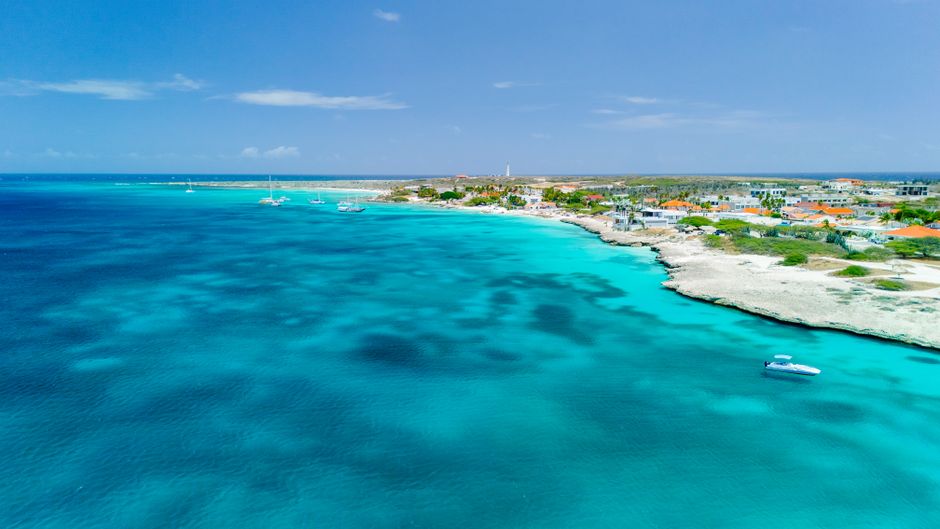
Aruba is the best overall kid-friendly Caribbean island for a family that values predictable days. The island is compact, dry, and easy to navigate. Palm Beach has a dense line of hotels, restaurants, pharmacies, water-sports operators, and casual food. Eagle Beach gives families more space and a quieter feel, though the swimming experience and shade setup differ by section.
The tradeoff is wind. Aruba is part of the ABC Islands and sits outside the main hurricane belt, but strong trade winds can make umbrellas awkward and ocean swimming less comfortable for toddlers. Book a room with shade, pack rash guards, and do not assume every beach works for every age.
When Barbados is the better choice
Pick Barbados if your family wants to eat local food, visit more than one beach, and spend time outside a resort. The west coast has calmer water, and the island has more than 60 beaches with public access. That freedom matters to families who dislike wristbands and fixed meal schedules. It also means renting a car or arranging taxis, checking beach facilities, and carrying snacks.
My verdict is simple: choose Aruba for low-friction sunshine; choose Barbados for a more active, independent trip. Neither choice is better for every family, but each has a clear job.
Jamaica, Punta Cana, or Barbados: common family questions
Is Jamaica better than Punta Cana for children?
Jamaica is better for a family that wants a memorable beach setting and supervised children’s programming. Punta Cana is better for a family that wants a large, self-contained resort with several pools and daily activities. Choose Jamaica for atmosphere. Choose Punta Cana for operational ease.
Is Barbados too difficult with young children?
No, but it rewards preparation. Stay on the west or south coast, choose a hotel near a grocery store, and book airport transport before arrival. Barbados works especially well for families with school-age children who can handle a restaurant meal, a taxi ride, and a beach change without a meltdown.
When should a family skip an all-inclusive resort?
Skip it when your children are adventurous eaters, your family wants local culture, or you plan to leave the property most days. An all-inclusive package can charge you for convenience you never use. It is also a weak choice for families who dislike scheduled entertainment and large shared pools. For those travelers, Barbados or Aruba in an apartment-style hotel is the better buy.
Which family resorts make the island choice easier?
Best for the fullest children’s program: Beaches Negril
Beaches Negril in Jamaica is the strongest match for families with children of different ages. Its Kids Camp separates activities by age from infants through teens, and its Pirates Island water park includes a 650-foot lazy river. The larger slides have a 42-inch height requirement, so younger children still need a shallow pool or beach plan. The resort lists 13 restaurants, three pools, water sports, and certified childcare staff. The clear verdict: choose Beaches Negril when parents need reliable blocks of child-focused time.
Best for a water-park-first holiday: Hyatt Ziva Cap Cana
Hyatt Ziva Cap Cana in Punta Cana has Canapolis Water Park, with a lazy river, water cannons, a grotto cascade, and five slides. The published minimum height for the water park is 3.94 feet, which is about 47 inches. That detail matters. A toddler may enjoy the pool and splash areas, but the headline slides are aimed at taller children. Choose this resort for families with primary-school children who will spend hours in the water park.
Best for big attractions: Atlantis Paradise Island
Atlantis Paradise Island is a strong choice for children who want rides, aquariums, and spectacle. Its Aquaventure access includes 20 swimming areas, 11 water slides, a mile-long Rapids River, and marine habitats for resort guests. Many major rides require a 48-inch minimum height, and children under 16 must remain supervised. Atlantis is not all-inclusive, so it wins on attraction density, not on budget simplicity.
How to build a seven-night family plan
Use one anchor activity per day
The best family itinerary has one memorable anchor and enough empty space around it. Do not book an excursion on arrival day. Do not place the longest boat trip after a late restaurant dinner. Keep the last day close to the hotel so a delayed flight or forgotten swimsuit does not turn checkout into a race.
| Day | Plan | Reason |
|---|---|---|
| 1 | Arrival, pool, early dinner | Protects energy after travel |
| 2 | Beach morning, quiet afternoon | Lets children settle into the heat |
| 3 | Island tour or water activity | Use the family’s best energy early |
| 4 | Kids’ club or resort water park | Gives parents a real break |
| 5 | Local food and one nearby attraction | Adds culture without a full-day trip |
| 6 | Favorite beach repeat | Children usually prefer repetition |
| 7 | Pool, packing, early night | Keeps departure calm |
The final decision
For most families, book Aruba and stay near Palm Beach or Eagle Beach. Choose Punta Cana when an all-inclusive resort and water park matter more than exploring. Choose Jamaica for strong kids’ programming and a classic beach setting. Choose Barbados when the family wants local life and can manage more logistics.
That original winter scene becomes much easier with the right match: the children get their pool and beach, the adults get fewer decisions, and the family returns home with a holiday that felt restful rather than merely warm.