
Tenerife records over 5 million tourist arrivals annually, yet fewer than 2% report any safety incident. The island is not dangerous. But summer creates specific risks that winter visitors never face. The sun sits directly overhead. The Atlantic swell shifts. Rental car demand peaks. Knowing what actually goes wrong — not what travel forums panic about — changes your trip.
I have spent four summers on this island. The problems tourists encounter are predictable. They are also avoidable. This guide covers the real risks: ocean conditions, sun exposure, road rules, theft patterns, and the one health issue nobody packs for.
Ocean Safety: The Real Danger Is Not Sharks
Sharks do not rank as a concern in Canary Island waters. Rip currents do. Every summer, at least one tourist drowns on a Tenerife beach. The pattern repeats: a calm-looking beach, a red flag ignored, a swimmer pulled offshore in under 60 seconds.
Spanish beach flags are not suggestions. A red flag means the water is closed. A yellow flag means swim with extreme caution, stay within depth. A green flag means safe conditions. Check the flag at the lifeguard station before entering, not after.
Which beaches have the strongest currents in summer?
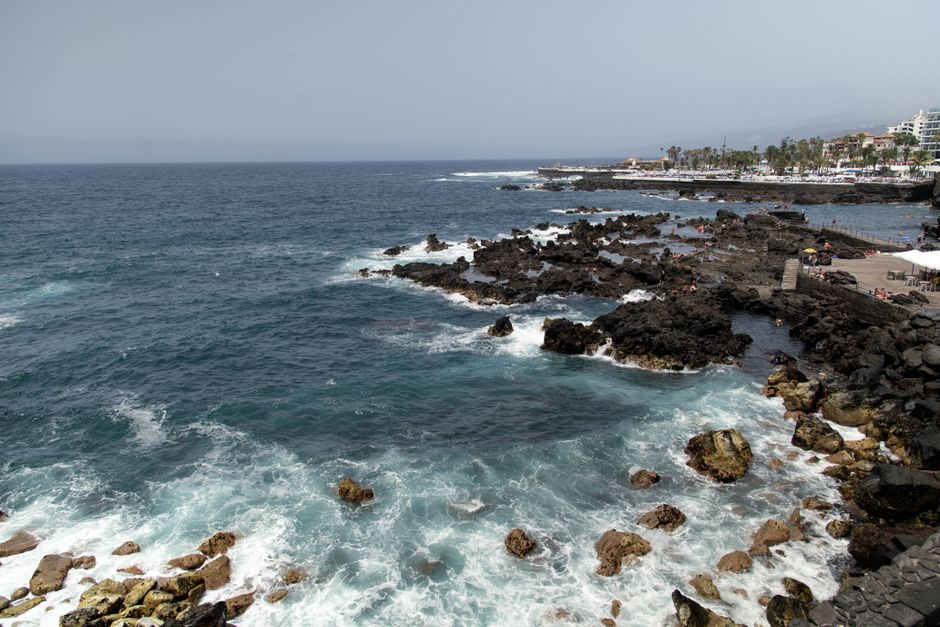
Playa de las Américas and Los Cristianos sit on the calmer southern coast, but even they get rough days in July and August. The northern coast — Playa del Bollullo, Playa de Benijo, Playa de los Patos — faces open Atlantic swell. These beaches look stunning in photos. They are not swimming beaches. Strong undertows, sharp volcanic rock, and no lifeguards in remote coves.
If you want a family-safe swim with actual supervision, stick to Playa de las Vistas in Los Cristianos or Playa del Duque in Costa Adeje. Both have lifeguards, gentle slopes, and breakwater protection.
What to do if caught in a rip current
- Do not swim against the current. You will exhaust yourself in minutes.
- Swim parallel to the shore until you exit the rip channel, usually 20-40 meters.
- Float on your back if tired. Signal for help with one arm raised.
- Rip currents are narrow. Once you move sideways, the pull stops.
If you are not a strong swimmer, book a hotel with a pool and treat the ocean as a viewing experience. No shame in that.
Sun Exposure: The UV Index Is Not a Joke Here
Tenerife sits at 28 degrees north latitude, closer to the equator than mainland Spain. Summer UV index regularly hits 11 — extreme. A fair-skinned person without protection burns in 10 to 15 minutes. The breeze masks the heat. You will not feel yourself burning until it is too late.
Most tourists under-apply sunscreen by 50%. A standard adult body needs about 35ml per application — roughly a shot glass. Reapply every two hours, more often after swimming or sweating. The sun reflects off volcanic sand and water, hitting you from below as well as above.
Product-specific protection that actually works
For a full-body option that does not feel greasy in 30°C heat, La Roche-Posay Anthelios UVMune 400 SPF50+ holds up better than most. For kids, the Riemann P20 Sunfilter SPF50 provides 10-hour water resistance and does not sting eyes. A wide-brim hat and UV-blocking rash guard do more than any sunscreen. Decathlon’s Olaian UV shirts cost under €15 and dry in 20 minutes.
Skip the midday sun. Between 13:00 and 16:00, the UV is at its worst. This is when locals eat lunch indoors or nap. Do the same. Your skin will thank you on day three when you are not a peeling mess.
Rental Car Scams and Road Rules That Catch Tourists
Renting a car in Tenerife is the best way to see Teide National Park and the northern coastline. It is also where tourists lose money to practices that are technically legal but predatory.
Small local rental companies advertise rates like €8 per day. Then you arrive and discover mandatory insurance add-ons, fuel deposits, and a €1,200 credit card hold. Stick with international brands or well-reviewed local operators like Cicar or AutoReisen. Both quote full prices upfront. No hidden insurance surprises.
Document everything before you drive
Take a video of the car exterior and interior before leaving the lot. Note every scratch, dent, and wheel scuff. Rental companies in Tenerife do charge for damage you did not cause. A 90-second phone video is your insurance.
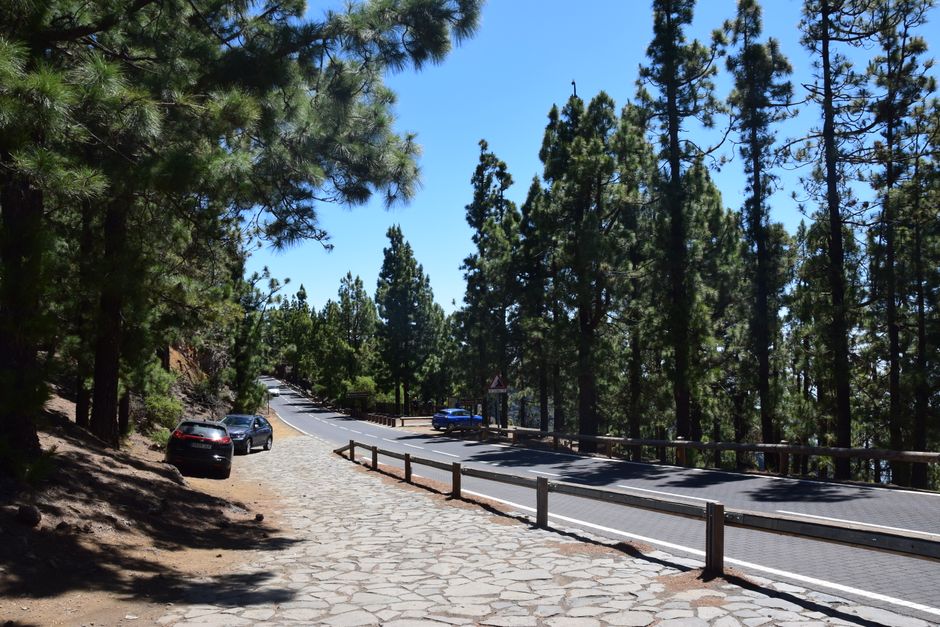
Road rules that differ from other countries: roundabouts are everywhere. Traffic already inside the roundabout has priority. Indicators are mandatory when exiting. Police enforce this. The GC and TF roads into the mountains have hairpin turns with no barriers. Drive slowly. A bus will come around a blind corner in your lane. This is normal. Hug your side.
Parking in Santa Cruz and La Laguna requires paying at blue zone meters between 9:00 and 20:00 on weekdays. Fines run €60-100. Pay the meter. The app Telpark works across the island.
Petty Theft: Where It Actually Happens and How to Avoid It
Violent crime against tourists in Tenerife is rare. Pickpocketing and opportunistic theft are not. The southern resort areas — Playa de las Américas, Los Cristianos, Costa Adeje — see the highest concentration. Crowded promenades, beach bars, and nightlife zones are the hotspots.
The most common scenario: a phone or wallet left on a beach towel while swimming. It disappears in 30 seconds. Thieves work in pairs. One distracts, one takes. Do not leave valuables unattended, ever. A waterproof phone pouch worn around your neck solves the swimming problem. The AiRunTech pouch costs under €10 and fits a phone plus a room key.
What to carry and what to leave
Leave passports in the hotel safe. Carry a photocopy or a photo on your phone. Carry one card, not all of them. Split cash between two places. A crossbody bag worn in front beats a backpack for crowded areas. The Pacsafe Metrosafe LS200 has slash-proof straps and locking zippers, though any front-worn bag works.
Rental car break-ins happen at remote trailheads and scenic pull-offs. Do not leave anything visible in the car. Not a jacket. Not an empty bag. Thieves smash windows for a €5 item. Trunk is not safe either. Take everything with you or leave it at the hotel.
Health: The One Issue Nobody Packs For
Dehydration and heat exhaustion hit more tourists than any other summer problem. The combination of alcohol, sun, and 30°C temperatures catches people off guard. Symptoms: headache, dizziness, nausea, dark urine, muscle cramps. If you stop sweating in the heat, that is a medical emergency.
Tap water in Tenerife is technically safe but heavily chlorinated. Most locals buy bottled water. For tourists, a reusable bottle with a filter helps. The LARQ Bottle PureVis or a basic Brita bottle both work. Drink before you feel thirsty. By the time thirst hits, you are already behind.
Pharmacies — farmacias — are abundant and staff speak English. They display a green cross. For anything beyond minor issues, the public hospitals in Santa Cruz and La Laguna provide good care. EU citizens should carry the European Health Insurance Card. Non-EU visitors need travel insurance. Hospital Universitario Nuestra Señora de Candelaria is the largest public hospital on the island.
Summer-Specific Safety Comparison: North vs South Tenerife
The island splits into two distinct climate zones. Your safety planning changes depending on where you stay. The south is dry, hot, and calm. The north is green, cooler, and wetter. Both have different risk profiles in summer.
| Factor | South Tenerife (Adeje, Arona, Los Cristianos) | North Tenerife (Puerto de la Cruz, La Orotava) |
|---|---|---|
| Summer temperature | 28-32°C, low humidity | 22-26°C, higher humidity |
| Ocean conditions | Generally calm, some summer swell | Strong Atlantic currents, rocky entries |
| UV risk | Extreme, minimal cloud cover | High, but frequent cloud breaks |
| Petty theft | Higher in resort zones | Lower, but present in Puerto de la Cruz |
| Road difficulty | Easy highways, flat coastal roads | Steep mountain roads, hairpin turns |
| Best for | Beach families, first-time visitors | Hikers, photographers, nature-focused trips |
If you want a low-stress summer trip with kids, the south wins. If you want dramatic landscapes and cooler temperatures, the north delivers — with extra caution on roads and at beaches.
When NOT to Visit Tenerife in Summer
Summer is not the best time for everyone. If you hate crowds, July and August are the worst months. The island runs at full capacity. Beaches, restaurants, and roads fill up. Prices peak. If you want Tenerife with fewer people and still-warm weather, go in June or September. The ocean stays 22-24°C through October.
If you have mobility issues, the heat makes walking difficult. The southern promenades offer little shade. If you burn easily or have sun-sensitive skin conditions, a summer trip to Tenerife requires more discipline than other destinations. Consider the Canary Islands in spring or autumn instead.
For everyone else, Tenerife in summer is safe, manageable, and worth it. The island handles millions of visitors every year. The infrastructure works. The risks are known and avoidable. Pay attention to the flags, the sun, and your belongings. Do those three things and the rest takes care of itself.