
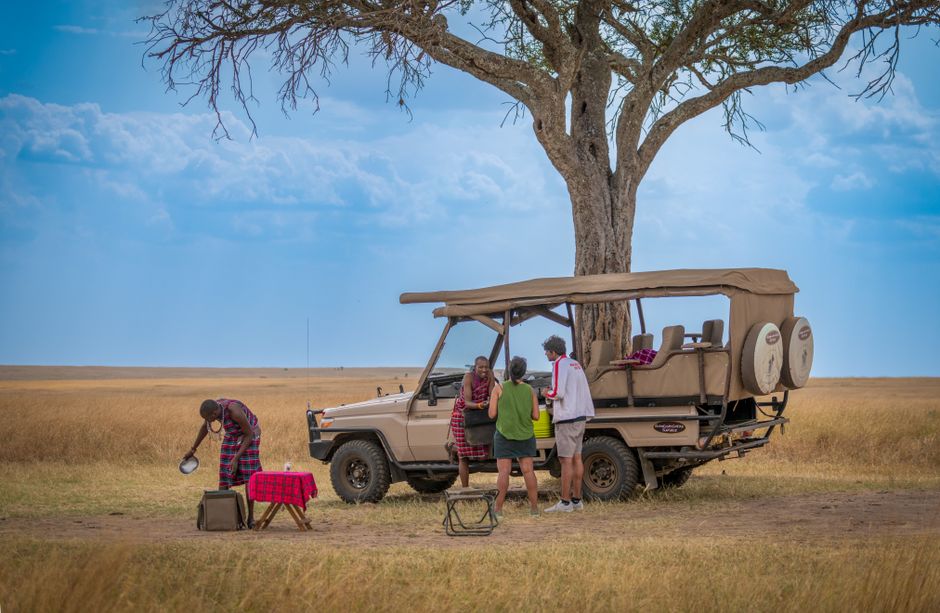
You land in Nairobi with two tired children, a suitcase full of layers, and six safari days ahead. The youngest wants to see elephants immediately. The adults want a real wildlife experience without spending half the holiday bouncing along a road. June can deliver that balance, but only if you build the trip around travel time, rest, and realistic wildlife expectations.
A June family safari in Kenya works best with two wildlife areas, two nights in each main camp, and one flexible day at the start. June sits between the long rains and the busier dry-season peak. You can see excellent resident wildlife, green landscapes, and fewer vehicles than in the busiest migration months. You should not book June solely for dramatic wildebeest river crossings, because the main migration action usually builds later in the season.
Choose Two Wildlife Areas, Not Four
A workable seven-night family route
For most families, I would choose Nairobi, Amboseli, and the Maasai Mara. That route gives children a gentle start, a strong elephant experience, and a longer stay in Kenya’s most famous grassland ecosystem. Adding Lake Nakuru can work on a longer trip, but squeezing four bases into one week creates more packing and road time than wildlife time.
| Days | Base | Family purpose | June planning note |
|---|---|---|---|
| 1 | Nairobi | Arrive, sleep, and recover from the flight | Do not schedule a long game drive after an overnight flight |
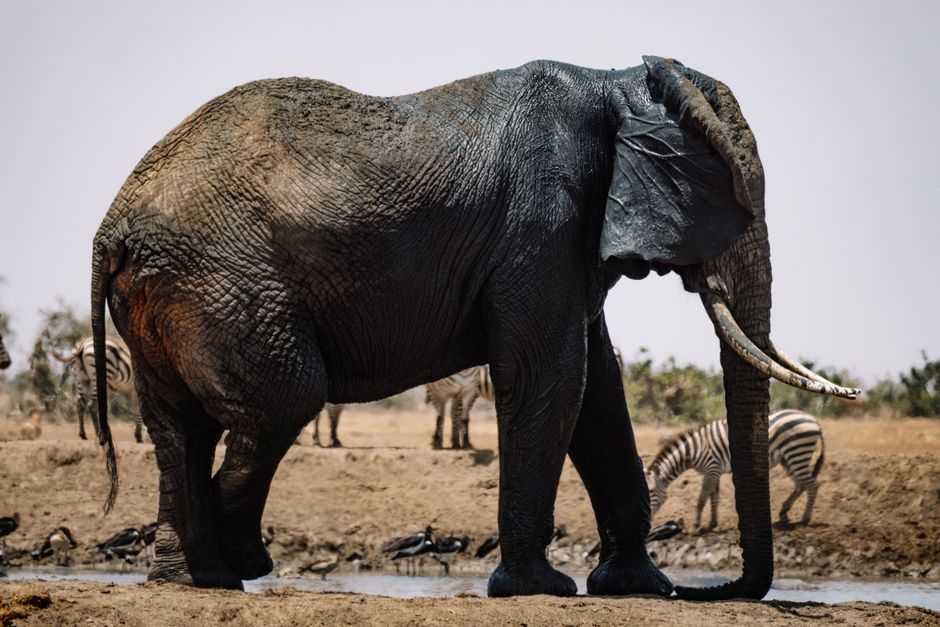
| 2-3 | Amboseli | Elephants, open views, and a slower first safari | Mount Kilimanjaro views depend on cloud cover |
| 4 | Travel day | Move toward the Maasai Mara | A flight saves energy; the road option can take most of the day |
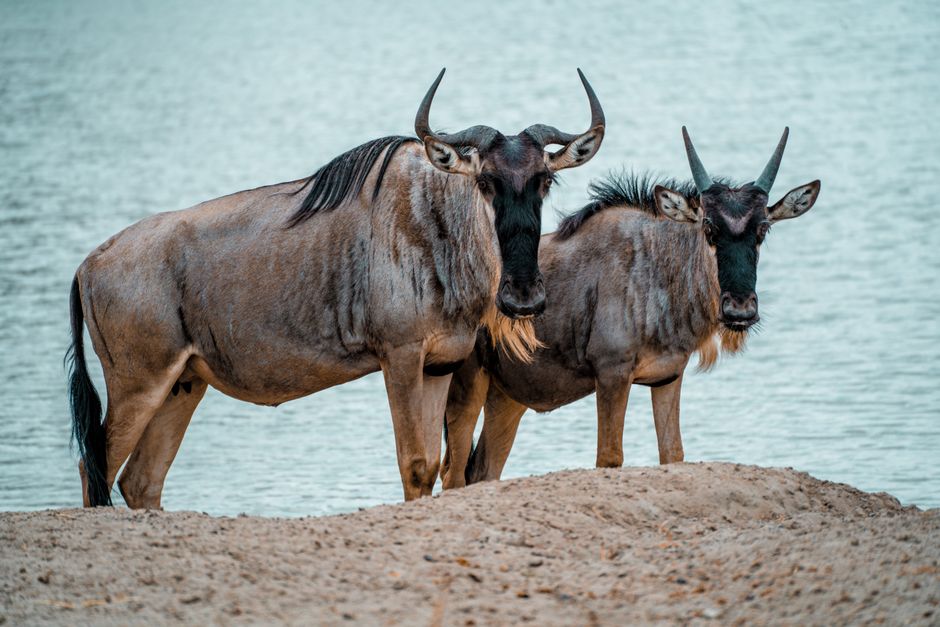
| 5-7 | Maasai Mara | Big-cat searches and flexible morning drives | Resident wildlife is reliable; migration crossings are not guaranteed |
| 8 | Nairobi or departure | Leave a buffer before the international flight | Keep the final transfer separate from a tight flight connection |
The route I would skip
I would skip a Nairobi-Maasai Mara-Lake Nakuru-Amboseli circuit on a six-night schedule. The map looks efficient, but the roads turn it into a chain of early departures. A long transfer after a dawn game drive can leave children irritable before they reach the next camp. If Lake Nakuru matters because you want to see rhino or flamingos, add at least two nights and remove one of the other stops.
Families with younger children should also avoid changing camp every night. Two nights gives you one arrival afternoon and one full wildlife day. Three nights in the Mara gives the guide room to adjust drives around weather, animal movement, and the children’s energy instead of chasing every sighting in one exhausting day.
Verdict: For a first June safari, Nairobi plus Amboseli plus the Maasai Mara is the best balance of variety, wildlife, and manageable pacing.
Budget by Night, Not by Safari Sticker Price
The numbers to put into your 2026 budget
Safari quotes often look simple until you ask what the total includes. Kenya Wildlife Service says safari packages can range from about US$70 to US$400 per person per night, with the wide spread reflecting camping, mid-range, and luxury travel. Treat that as a planning range, not a promise. Ask if the quote includes park fees, accommodation, meals, vehicle, driver-guide, airport transfers, domestic flights, and activities.
For non-resident visitors, the KWS tariff published for 2026 lists Amboseli and Lake Nakuru at US$90 per adult and US$45 per child or student per day. Nairobi National Park lists US$80 per adult and US$40 per child or student. A family of two adults and two children would therefore pay US$270 for one day at Amboseli or Lake Nakuru before vehicle charges and guide costs. At Nairobi National Park, the same family would pay US$240.
Maasai Mara fees come through the reserve administration rather than the standard KWS national-park tariff, so ask for the exact rate in writing for your travel dates. Fee changes, child-age rules, and conservation charges can alter the final total.
Where families usually under-budget
- Entry documents: Kenya’s official eTA portal lists a standard tourist eTA at US$30. The government says children and infants normally need an approved eTA before travel, although nationality-based exemptions apply. Use the official Kenya eTA application guidance and check every passport separately.
- Transfers: A private vehicle costs more than a shared vehicle, but it lets the guide stop for breaks and change the drive length. That flexibility often matters more than a small saving for families with younger children.
- Flights: A short flight between safari regions can protect a full day of holiday time. Price it against the cost of a lost game-drive day, not only against the road transfer.
- Health and insurance: Budget for travel insurance and a consultation with a travel-health clinic. Ask about malaria prevention, routine vaccinations, food precautions, and what your policy covers outside major towns.
Use the Kenya Wildlife Service fee and payment guidance when checking national-park charges. Package operators normally include entry fees in their quotes, while self-organized visitors may need to pay through the official KWS payment system.
Verdict: A transparent mid-range quote with park fees and a private vehicle is a better family value than a cheaper quote that leaves every transfer and entry charge outside the headline price.
Protect the Children’s Energy Before Chasing More Wildlife
The daily rhythm that works
Build the safari around energy, not maximum drive hours. Schedule one early game drive, a proper lunch, a rest period, and an optional short afternoon activity. Children often enjoy a three-hour drive with a good guide more than a seven-hour drive designed to tick every animal off a list.
- Leave before sunrise only when the children can handle it. Otherwise, start after breakfast and accept a shorter drive.
- Keep at least two nights at each main camp. One night rarely gives a family enough time to settle.
- Carry water, simple snacks, sun protection, warm layers, and a rain shell in the vehicle.
- Agree on wildlife rules before the first drive: quiet voices near animals, no feeding, no standing without the guide’s permission, and no shouting across the vehicle.
- Choose a camp with a pool, family room, or child-friendly nature activity only if the rest period matters to your family. Those features cannot replace a good guide, but they can stop a tired afternoon from becoming a crisis.
Mistakes that make June harder
The first mistake is treating every weather forecast as a reason to cancel a drive. June showers can pass quickly, and a wet morning can produce fresh tracks and clearer air later. The second is packing only summer clothes. Mara mornings can feel genuinely cold, especially in an open vehicle.
The third mistake is promising children a specific animal. Tell them the goal is to learn how guides read tracks, calls, and movement. That approach protects the trip when a leopard stays hidden or lions sleep through the morning.
The fourth is booking a long road transfer immediately after an international arrival. Sleep first, then start the wildlife portion of the trip. The fifth is ignoring age limits for walking activities, horseback experiences, or lodge swimming areas. Ask the camp for its rules before you pay a deposit.
Verdict: The best family safari vehicle is the one that gives you control over breaks, start times, and the length of each drive.
June Works Best When You Expect Wildlife, Not a Migration Show
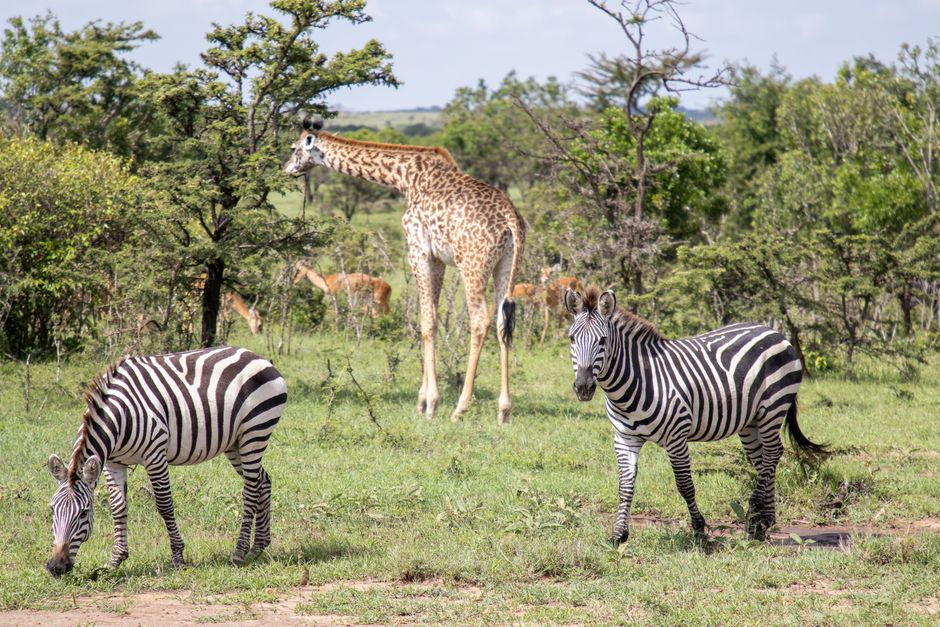
June is the right month for a family that wants a calmer first safari, cooler mornings, green landscapes, and strong chances of seeing elephants, lions, giraffes, zebras, buffalo, and other resident wildlife across two well-chosen areas; it is not the right month for a family that would feel disappointed without a wildebeest crossing.
The strongest plan keeps Nairobi brief, gives Amboseli two nights, gives the Maasai Mara three nights, and leaves enough space for sleep, meals, and weather changes; every extra destination should earn its place by adding a clear wildlife or family benefit.
A trustworthy operator will explain which fees sit inside the quote, show the transfer times, state the June migration limits plainly, and help you adjust the day when a child needs rest; vague promises about guaranteed sightings deserve a second opinion.
The single most important takeaway is simple: plan a June family safari in Kenya around two wildlife bases and flexible days, because a rested family sees more than an overpacked itinerary ever can.