
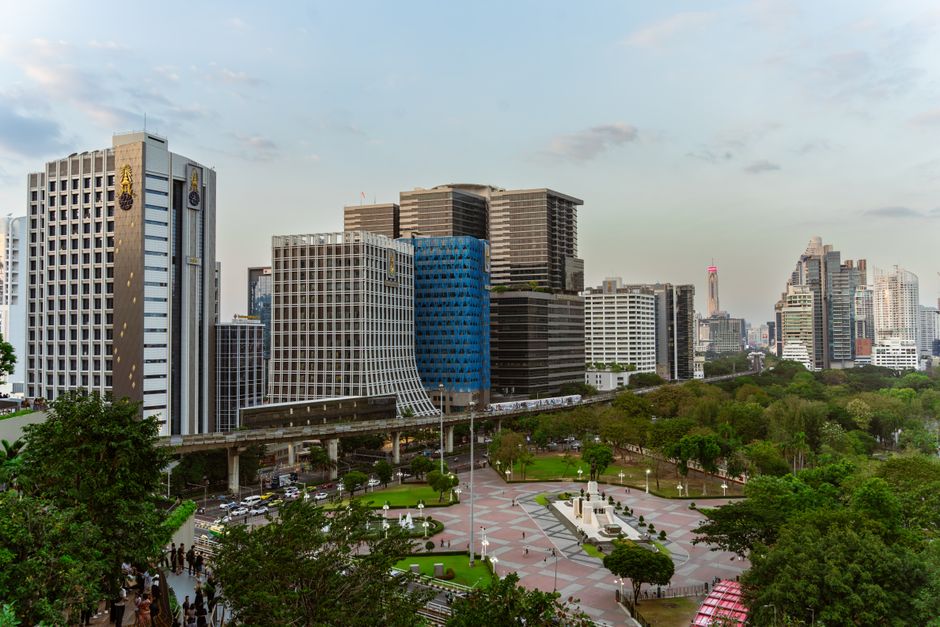
Bangkok sees roughly 22 million international visitors a year, and a huge chunk of them blow their first 48 hours on Khao San Road paying triple for things they could get two blocks away. I’ve watched people pay 400 baht for a taxi that should cost 120, and 250 baht for pad thai that costs 60 baht at a street stall around the corner. This guide exists to stop that from happening to you.
I’m not going to tell you to avoid Khao San entirely. It’s a rite of passage. But I am going to tell you exactly where to stay, what to pay, and which “deals” are actually ripoffs. Because Bangkok is still one of the cheapest major cities in Asia if you know what you’re doing — and a money pit if you don’t.
What a Realistic Bangkok Backpacker Budget Looks Like
Forget the “$20 a day in Thailand” blog posts from 2016. Inflation hit Southeast Asia too. But Bangkok is still very doable on 1,000–1,400 baht per day ($28–$40) including a dorm bed, street food, local transport, and a few beers. Here’s the breakdown I actually used on my last trip in early 2026:
| Expense | Budget Option | Mid-Range Option | Notes |
|---|---|---|---|
| Dorm bed | 250–400 baht | 450–650 baht | Hostels outside Khao San are cheaper and cleaner |
| Street food meal | 50–80 baht | 100–150 baht | Portions are small; order two dishes if hungry |
| Local beer (large Chang/Leo) | 70–90 baht | 120–160 baht | 7-Eleven beer is half the bar price |
| BTS/MRT ride | 17–47 baht | Same | Get a Rabbit card for the BTS, skip the queues |
| Tuk-tuk short hop | 60–100 baht | 100–150 baht | Negotiate BEFORE getting in. Always. |
| Laundry (per kg) | 40–60 baht | Same | Most hostels charge double; use street laundries |
The single biggest budget killer isn’t the room — it’s the “just one more” trap. One more Chang at the rooftop bar. One more tuk-tuk instead of walking. One more tour booked through the hostel desk with a 30% markup. Those add up faster than you think.
Where to Actually Stay (Skip the Khao San Default)
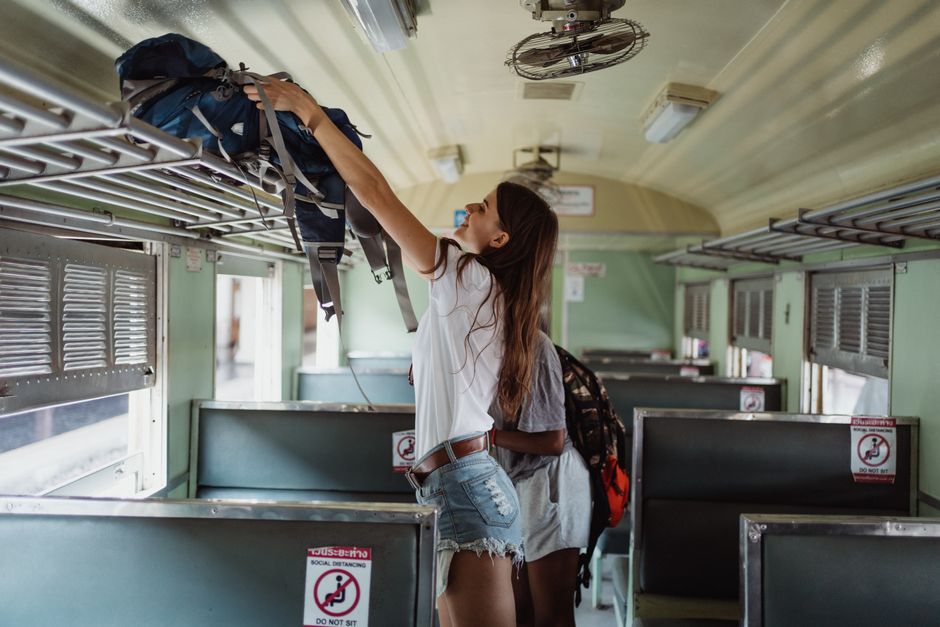
Here’s my honest take: Khao San Road is fun for exactly one night. Then the noise, the touts, and the overpriced everything get old. You’re better off basing yourself near a BTS station and visiting Khao San once. My picks after staying in a dozen Bangkok hostels:
Lub d Bangkok Silom — Best for First-Timers
Dorm beds run 450–550 baht. It’s clean, social without being a party zoo, and you’re a 3-minute walk from BTS Chong Nonsi. The rooftop common area is genuinely good for meeting people. The downside: it’s corporate-feeling. You won’t get the grungy backpacker vibe here, which might be exactly what you want.
Mad Monkey Hostel Bangkok — Best for Partying
Beds around 400–500 baht. This place is loud. If you want to drink, meet people, and go out every night, this is your spot. If you want sleep before 2am, it is not. They run nightly bar crawls that are actually decent value at 400 baht including a few drinks. Just don’t book the “upgraded” private room expecting quiet — the walls are thin.
The Yard Hostel — Best for Actually Resting
This is my pick. Beds from 350 baht in a converted house with a garden. It’s in Ari, a neighborhood with great street food and zero backpacker chaos. You’ll sleep well here. The tradeoff: it’s 25 minutes from the old town by BTS, so you’ll need to plan your sightseeing days.
Verdict: If you have 3 nights, do one at Mad Monkey for the social scene, then move to The Yard or Lub d for recovery. Booking all nights at one place is the rookie move.
Getting Around Without Getting Ripped Off
Taxis in Bangkok are metered by law, but drivers near tourist areas “forget” to turn the meter on. This is the oldest scam in the book and it still works because people are tired and just want to get to their hostel.
Here’s what actually works. Use the Grab app (Southeast Asia’s Uber) for your first ride from the airport or bus station. You’ll pay a fair, fixed price and avoid the negotiation. After that, use the BTS Skytrain and MRT subway for anything along their routes. A 40-baht BTS ride beats a 300-baht taxi in traffic every single time.
For short hops where there’s no train, use a motorbike taxi. The orange-vested guys at street corners charge 20–40 baht for a kilometer. Negotiate first. Or just walk — Bangkok’s sidewalks are uneven but the city is flatter than you’d expect.
What a tuk-tuk should actually cost
A 2-kilometer tuk-tuk ride is worth 60–80 baht. That’s it. If they quote 200, laugh and walk away. They’ll either drop the price or you’ll find another one in 30 seconds. This isn’t a negotiation tactic — it’s just what the ride is worth.
Street Food: Where the Real Value Is
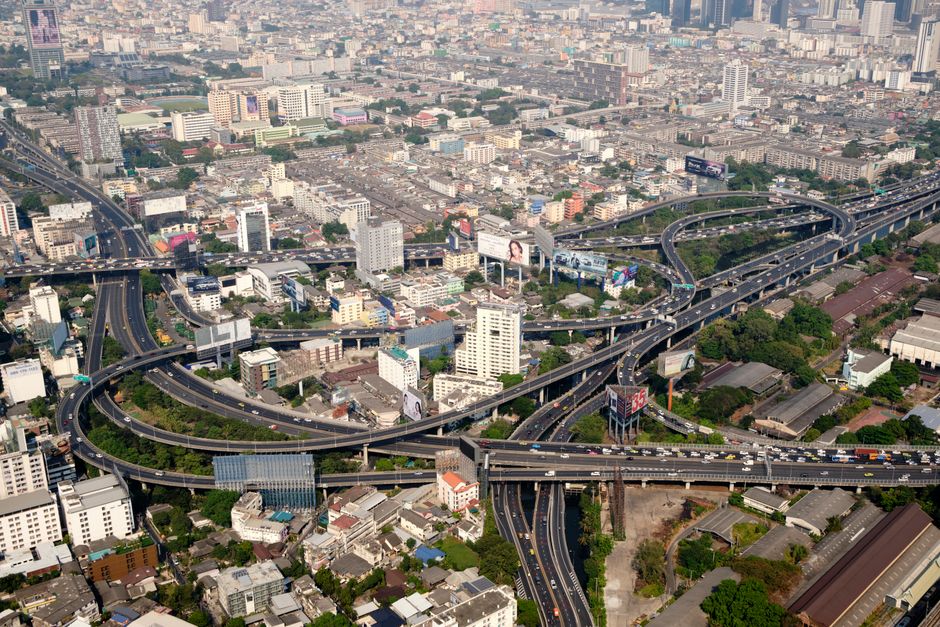
Bangkok’s street food scene has changed in the last few years. Some famous stalls moved or closed, and the government has pushed vendors into designated areas. But you can still eat extremely well for under 100 baht a meal if you follow the crowds.
Look for stalls with a queue of Thai office workers. That’s the entire strategy. If locals are lining up, the food is good and the price is fair. If a stall has a laminated menu with photos and prices in five languages, you’re paying tourist markup.
Specific dishes to hunt down: khao man gai (Hainanese chicken rice, 50–60 baht), guay jab (rolled rice noodle soup with crispy pork, 60–70 baht), and moo ping (grilled pork skewers, 10–15 baht each). Order three skewers and a bag of sticky rice for 15 baht and you’ve got a meal for under 60 baht total.
One thing I’ll flag: the famous pad thai at Thip Samai near the Golden Mount now runs 150–200 baht for a plate. It’s good. It’s not three-times-better-than-a-60-baht-street-stall good. Go once if you’re curious, then move on.
Common Money Mistakes Backpackers Make in Bangkok
These are the specific mistakes I see repeatedly, and they’re all avoidable:
- Booking day trips through the hostel. Hostels take a 20–40% commission. The same floating market tour you paid 1,200 baht for is 800 baht if you book directly with a local operator or just take the public bus yourself.
- Exchanging money at the airport. The airport booths give terrible rates. Withdraw from an ATM instead (the 220-baht fee is fixed, so withdraw 10,000+ baht at once to make it worth it). Better yet, bring clean USD or EUR and exchange at SuperRich in the city — their rates are consistently the best.
- Paying for “VIP” anything. VIP bus to Chiang Mai? It’s the same bus with a snack. VIP temple tour? Same temple, more waiting. The word VIP in Thai tourism means “tourist priced.”
- Drinking at rooftop bars every night. A beer at a Sukhumvit rooftop costs 200–250 baht. The same beer at a 7-Eleven costs 45 baht. Have one rooftop night, then drink at street-level bars or your hostel.
- Not checking the meter is on. Before the taxi moves, point at the meter and say “meter.” If they refuse, get out. There’s always another taxi.
What to Skip in Bangkok (And What to Do Instead)

I’m going to say something controversial: the Grand Palace is skippable if you’re on a tight budget. The 500-baht entry fee is the most expensive tourist attraction in Bangkok, and you can see equally impressive temples for free or cheap. Wat Pho next door is 300 baht and honestly more interesting — the reclining Buddha is stunning and the grounds are less crowded.
Instead of the floating markets that are now 80% tourist boats, take the Chao Phraya Express Boat for 15–30 baht. It’s the same river, same canals, and you’ll see actual Bangkok life instead of souvenir stalls. Get off at Tha Tien for Wat Pho, or ride to the end and back just for the view.
Chatuchak Weekend Market is worth it, but go at 9am when it opens. By noon it’s a sweaty crush of bodies. And bring cash — most vendors don’t take cards, and the ATMs there have long queues.
Is Bangkok Still Worth Backpacking in 2026?
Yes, but with adjustments. The city is more expensive than it was a decade ago, and the tourist infrastructure has gotten more aggressive about extracting money from visitors. But the fundamentals haven’t changed: street food is still cheap, the train system is still excellent, and hostels are still abundant and affordable.
The backpackers who have a bad time in Bangkok are the ones who stay on Khao San Road for five nights, take tuk-tuks everywhere, and book every activity through their hostel. The ones who love it are the ones who treat it like a real city — eat where locals eat, take the train, and use Khao San as a one-night novelty instead of a base.
The single most important takeaway: your first 48 hours in Bangkok will set your budget for the rest of your trip — spend them eating street food and taking the BTS, not in tuk-tuks and rooftop bars.