
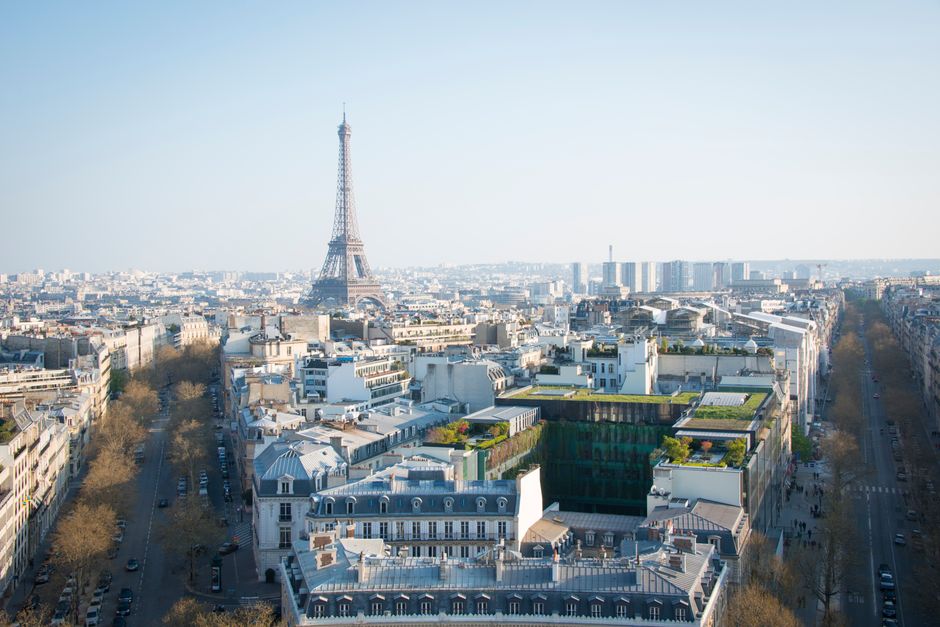
Paris has three school-holiday zones, so the French February break does not begin on one single date. In 2026, Paris and the surrounding Île-de-France region entered winter holidays on 21 February, while other zones started earlier. That staggered calendar explains why one February week can feel calm and the next can feel packed.
A family trip at this time works best when it treats Paris as a city of short outings, warm indoor stops, and one major booking per day. The goal is not to collect every famous sight. It is to keep children interested, fed, dry, and able to walk back to the hotel without a late-afternoon collapse.
This guide covers the practical choices that matter: timing, neighbourhood planning, rain protection, advance reservations, and the point at which a transport or museum pass earns its cost. Prices cited are official 2026 benchmarks and should be checked again before travel.
What should a five-day Paris itinerary with kids look like?
The strongest plan groups activities by area. One substantial sight and one flexible outdoor walk are enough for most days. The schedule below leaves room for slow breakfasts, queues, toilet stops, and the small delays that come with travelling as a family.
| Day | Main plan | Weather backup | Family verdict |
|---|---|---|---|
| 1 | Île de la Cité, Notre-Dame area, Sainte-Chapelle, Seine walk | Covered passages near Palais-Royal | Best gentle first day |
| 2 | Louvre area, Tuileries, Palais-Royal | Longer Louvre visit with a café break | Choose a short museum route |
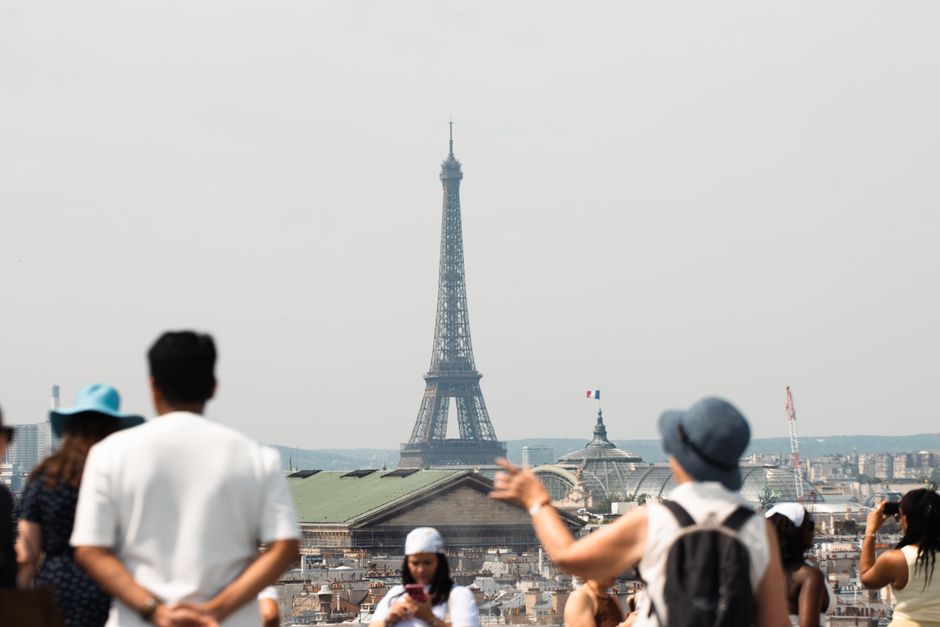
| 3 | Eiffel Tower area, Champ de Mars, Seine boat trip | Cité des Sciences | Best landmark day |
| 4 | Montmartre, Sacré-Cœur, Place du Tertre | Atelier des Lumières or Musée en Herbe | Good for older children |
| 5 | Luxembourg Gardens, Latin Quarter, favourite revisit | Natural History Museum galleries | Keep this day loose |
Day 1 should stay light. Arrive, settle in, and walk around the Île de la Cité rather than scheduling a major timed attraction immediately after the train or flight. On Day 2, do not attempt the whole Louvre. Pick one wing, set a two-hour limit, and leave while the children are still engaged.
Day 3 gives the family its classic Paris view. The Eiffel Tower area is exposed to wind, so pair it with a warm lunch and a short Seine cruise if the weather is dry. Day 4 suits families who enjoy streets, views, and small discoveries more than formal galleries. Day 5 should stay deliberately open. Children often have a favourite place by then, and returning there can be more satisfying than forcing in a final landmark.
What should families reserve before travelling?
Reserve the timed attractions first
The Louvre, Eiffel Tower, Sainte-Chapelle, popular children’s workshops, and some evening performances can sell out during school holidays. Reserve the one attraction that would disappoint the family most. Do not build a trip around six non-refundable bookings. A delayed train, tired child, or wet afternoon can make a rigid schedule expensive and stressful.
For the Louvre, confirm the opening day before selecting a time. The museum is traditionally closed on Tuesdays, although opening arrangements and special exhibitions can change. A two-hour route works better than promising children an entire day among paintings. Choose a few recognisable works, add one gallery that matches their interests, and leave time for food.
Use official booking pages and verify access rules
Buy attraction tickets from the venue’s official website where possible. The official Paris Museum Pass site warns about fake ticketing pages and inflated reseller prices. That warning is practical, not dramatic: families should check the seller, refund terms, reservation requirements, and age rules before paying.
Some venues still require a free or paid time slot even when a pass includes admission. A pass does not automatically guarantee entry when visitor numbers are capped. Check each venue’s reservation page after buying. The official Paris Museum Pass information lists these conditions and explains that some sites require advance booking.
Plan meals as part of the booking strategy
Reserve one family dinner for each busy day, especially near the Eiffel Tower, Saint-Germain, or Montmartre. For other meals, choose bakeries, crêperies, food halls, and casual restaurants where children can eat quickly. A late lunch at 2:30 p.m. can be difficult during the holiday rush, so aim for lunch around noon or carry a small snack.
Which mistakes make a Paris family trip harder?
- Overloading the day. Three major attractions plus a long cross-city journey looks efficient on paper. In practice, it creates queues, hunger, and arguments. Cap the day at one headline sight and one nearby activity.
- Ignoring stairs and transfers. Paris metro stations are not uniformly step-free. A route that looks short on a map may include stairs, a platform change, or a long underground corridor. Check the route before leaving and use a taxi or bus when the saving is not worth the effort.
- Leaving all indoor plans until the rain arrives. February weather can change quickly. Keep one museum, science centre, covered market, or cinema option ready for every day.
- Assuming every child enjoys the same attraction. A seven-year-old may love dinosaurs, while a teenager prefers street art or football. Give each child one choice during the trip. That small concession can make the less exciting stops easier.
- Scheduling a distant day trip without a recovery day. Versailles or Disneyland Paris can consume the entire day, including transport. Do not place one immediately after arrival or before an early departure.
- Buying a pass before doing the maths. A museum pass rewards several paid visits by adults in a short period. It is poor value if the family mainly visits free parks, walks, and child-friendly venues with free admission.
The clearest rule is simple: protect energy before chasing efficiency. A child who is warm and fed will usually enjoy a second-rate plan more than a perfect itinerary reached after a rushed transfer.
Which Paris travel passes are worth buying for families?
Is Navigo Easy the best choice for ordinary metro days?
For most families making short city journeys, Navigo Easy is the practical winner. The physical card costs €2, and the official RATP guidance says it can be topped up at stations, counters, approved retailers, or through official transport apps. In 2026, a standard Metro-Train-RER ticket costs €2.55, while the one-day Navigo pass for zones 1–5 costs €12.30. A family making only two or three central journeys should compare the totals before choosing a day pass.
Each traveller needs a usable ticket or pass. Do not assume one Navigo Easy card can be shared between several people during the same journey. The official RATP visitor guide explains the available ticket types and how Paris transport passes work.
When does Paris Visite make sense?
Paris Visite is easier to understand when the family wants a fixed period of unlimited travel and needs airport, Versailles, or Disneyland Paris coverage. Its value depends on the zones and duration selected. For a mostly central trip with one or two journeys each day, it often loses to individual tickets or Navigo Easy. For a packed itinerary across the region, it can be worth paying for simplicity.
Who should buy the Paris Museum Pass?
The Paris Museum Pass is strongest for adults who plan several paid museums and monuments close together. The official 2026 prices are €85 for 48 hours, €105 for 96 hours, and €125 for 144 hours. The pass covers more than 50 sites, but it does not automatically remove every reservation requirement. Children under 18 are often admitted free at major state museums, so calculate the adults’ savings separately rather than buying one for every family member.
My verdict is clear: use Navigo Easy for a relaxed city break, Paris Visite for heavy regional travel, and Paris Museum Pass only when the adults will visit enough paid sites to reach its break-even point. A family that spends February walking, eating, and choosing one museum at a time should keep the plan flexible instead.
This is not legal advice — consult a licensed attorney for legal questions about travel documents, consent letters, or family travel disputes.
Paris may begin with a confusing three-zone holiday calendar, but that fact becomes useful once you use it. Check the dates, reserve one essential experience, leave space for weather, and let the final day return to the place the children enjoyed most. That is how a cold February week becomes a manageable family memory rather than a race through a checklist.