
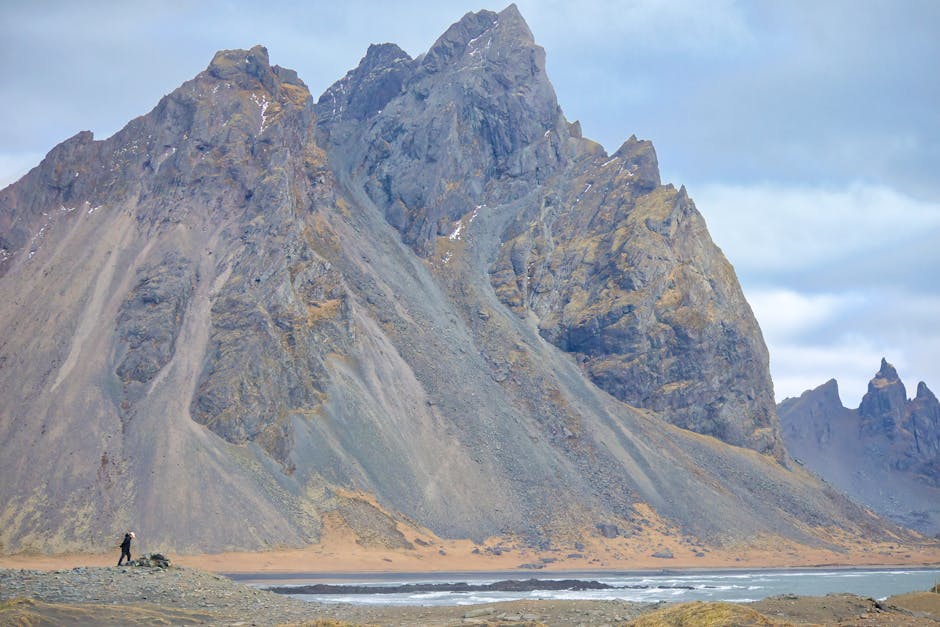
You will likely spend more time talking to sheep than people if you do Iceland solo, and that is exactly why it works. If you are debating your first independent trip, this is the place where you can fail safely, provided you respect the wind and your bank account. The most important conclusion I reached after three solo circuits of the Ring Road is that your success depends less on your itinerary and more on your choice of vehicle and your willingness to check a weather app every two hours. Iceland is remarkably safe from a crime perspective, but the environment is indifferent to your plans. You don’t need a partner to navigate the glaciers, but you do need a solid grasp of how to change a tire in a gale.
Traveling alone here offers a specific kind of meditative silence that is hard to find elsewhere. There is no one to argue with about which waterfall to stop at or whether it is too early for a ten-dollar gas station hot dog. However, the costs of fuel and car rentals aren’t split with anyone, which means solo travelers need to be much more intentional about their logistics. I have found that the freedom of the road outweighs the financial sting, but you have to go in with your eyes open to the specific challenges of the North Atlantic.
How to Choose the Best Transportation for Solo Travel in Iceland
When you are by yourself, your vehicle is your lifeline. I have experimented with both the bus system and self-driving, and unless you are strictly staying in Reykjavik, the bus is a lesson in frustration. The Strætó (public bus) and private tour buses exist, but they lack the flexibility required to catch the Northern Lights at 2:00 AM or to pull over when the light hits a mossy lava field just right. For a solo traveler, a small 4WD SUV is the gold standard for safety and access.
Comparing Rental Options for Independent Drivers
I usually look at two specific local companies because the international chains often have hidden fees for gravel protection—which you absolutely need. Blue Car Rental is a consistent favorite. Their Dacia Duster (approx. $90 – $130 per day) is the unofficial car of Iceland. The pro is that their check-in is entirely keyless, which is great when you land at 6:00 AM and don’t want to talk to anyone. The con is that their damage inspections are rigorous, so take photos of everything. Another solid choice is Lotus Car Rental. They offer a “Platinum” insurance package (approx. $110 – $150 per day) that covers sand and ash damage. The pro here is total peace of mind; the con is the higher daily rate. If you are solo, paying for the extra insurance is a smart move because there is no one else to help you navigate the paperwork if a stray rock cracks your windshield in the East Fjords.
The Solo Campervan Versus Guesthouse Debate
Many solo travelers gravitate toward campervans to save money. I’ve done both. A Happy Vans or CampEasy small van (approx. $120 – $180 per day) combines your transport and lodging. The pro is the ultimate freedom to stop at any campsite without a reservation. The con? It can get incredibly lonely and cramped when it rains for three days straight. If you prefer a bed, booking single rooms in guesthouses usually runs $80 – $140. While more expensive, having a communal kitchen in a guesthouse is often where you’ll find your “temporary friends” for the evening.
| Transport Method | Approx. Daily Cost | Best For | Solo-Specific Risk |
|---|---|---|---|
| Small 2WD Car | $50 – $80 | Summer Ring Road only | Easily stuck in mud/snow |
| 4WD SUV (Dacia Duster) | $90 – $130 | F-Roads and Winter | High fuel consumption |
| 2-Berth Campervan | $120 – $180 | Budget flexibility | Difficult to heat in wind |
| Public Bus (Strætó) | $30 – $60 | City to City only | Extremely limited schedule |
Managing Safety and Solo Risks in the Icelandic Wilderness
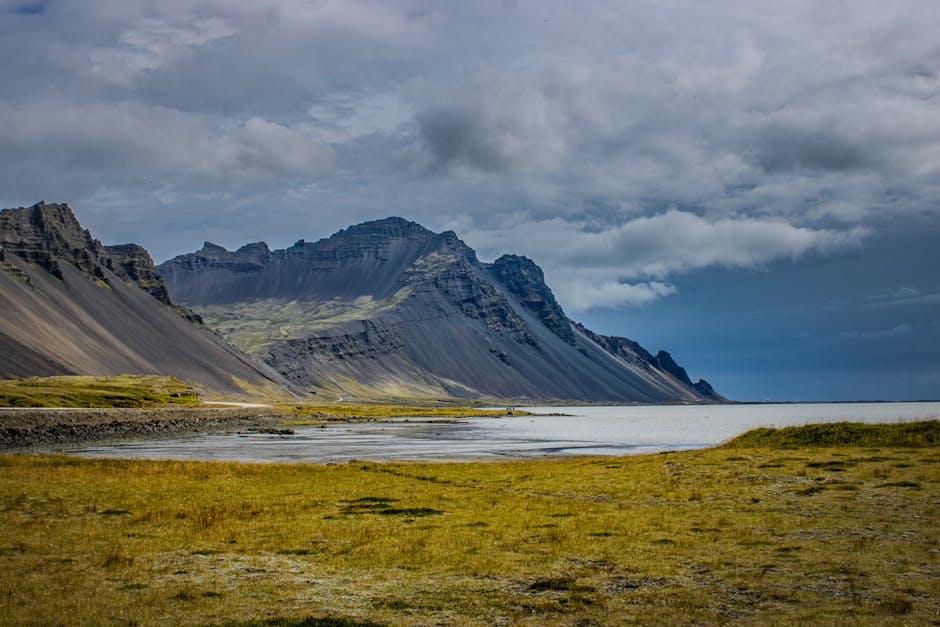
Safety in Iceland isn’t about people; it’s about physics. When you are alone, there is no one to spot you while you’re hiking or to call for help if you lose your footing on a slick basalt column. The wind is the most underrated danger. I have seen car doors bent backward because a solo traveler opened them without holding on tightly. This isn’t an exaggeration—it happens every season. You have to be your own safety officer.
Essential Digital Tools for the Independent Explorer
Before you even leave the airport, download the SafeTravel.is app. It allows you to check-in and leave a travel plan. If you don’t show up at your destination, the Icelandic Association for Search and Rescue (ICE-SAR) has a starting point to look for you. I also religiously use Vedur.is (the Icelandic Met Office). Don’t trust your iPhone weather app; it doesn’t understand Icelandic microclimates. The Met Office site provides wind speed in meters per second. If you see anything above 15 m/s, it’s time to find a cafe and wait it out. Another vital resource is Road.is, which shows live webcams of road conditions. Seeing white-out conditions on a screen is much better than seeing them through your windshield while driving a mountain pass alone.
The emergency number in Iceland is 112. Even if your phone doesn’t have a local SIM, it should be able to connect to any available network for an emergency call. Always keep a physical map in the glovebox; GPS can be spotty in the deep fjords.
Personal Safety and the “Solo Tax” on Risk
When hiking solo, stay on the marked paths. The moss in Iceland is beautiful but hides deep crevices in the lava rock. If you twist an ankle at Fjaðrárgljúfur canyon and no one is around, you are in a difficult spot. I always carry a Garmin inReach Mini 2 (approx. $350 – $400). It’s an investment, but for a solo traveler, the ability to send a satellite text message when there is no cell service is invaluable. The pro is the global SOS trigger; the con is the monthly subscription fee. For me, it’s the price of being able to explore the highlands without a guide.
Cost-Saving Strategies for Solo Travelers on a Budget
Iceland is expensive, and as a solo traveler, you bear 100% of the cost for things like car rentals and fuel. A simple burger and fries can easily cost $25. A beer is $10 to $15. To make this trip sustainable for ten days, you have to adopt the Icelandic way of shopping. I learned very quickly that eating out is a luxury, not a daily occurrence. You will become very familiar with the local grocery store aisles.
Mastering the Icelandic Grocery Run
Avoid the 10-11 convenience stores; they are notoriously overpriced. Stick to Bónus (the one with the pink pig logo) or Krónan. These are the most affordable supermarkets. I usually stock up on “Skyr” (Icelandic yogurt), which is high in protein and cheap, and smoked salmon. If you are staying in guesthouses, cooking your own dinner will save you $40 a day. Another pro tip: buy your alcohol at the Duty Free store in the Keflavik airport before you exit. It is significantly cheaper than the state-run Vínbúðin liquor stores found in towns.
Finding Affordable Solo-Friendly Lodging
Hotels in Iceland rarely have “single rooms” at a fair price; they usually charge you for a double. This is the “solo tax” at its worst. To avoid this, look for hostels or guesthouses with shared bathrooms. Kex Hostel in Reykjavik is a classic choice (approx. $40 – $60 for a dorm bed). It’s built in an old biscuit factory and has a great social atmosphere. In the countryside, look for HI Hostels (Hostelling International). They are clean, reliable, and usually have a kitchen. If you prefer more privacy, look for “Guesthouses” on booking sites. These are often family-run homes with private bedrooms and shared facilities, usually priced around $90. It’s a middle ground that keeps costs down while providing a quiet space to recharge.
- Water: Never buy bottled water. Icelandic tap water is some of the cleanest in the world. Bring a reusable bottle.
- Fuel: Get a gas card from N1 or Olís. Some automated pumps require a PIN-protected credit card, and having a pre-paid card avoids the “holding fee” that can temporarily lock $200 on your account.
- Hot Springs: Skip the Blue Lagoon ($80+). Go to Sky Lagoon for a similar vibe ($50) or better yet, visit the local municipal pools like Laugardalslaug for about $10.
Social Life and Meeting People as a Solo Traveler in Reykjavik
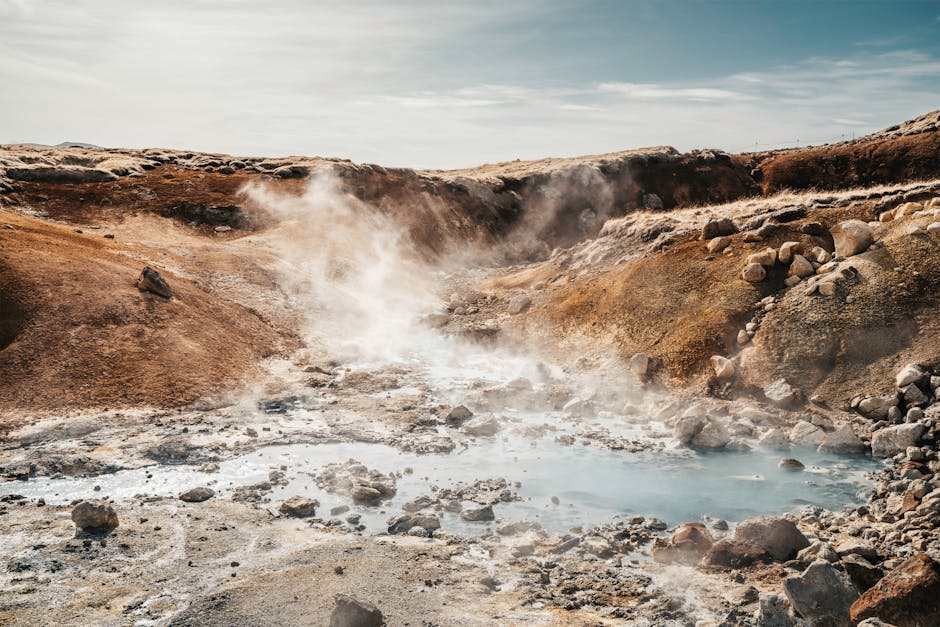
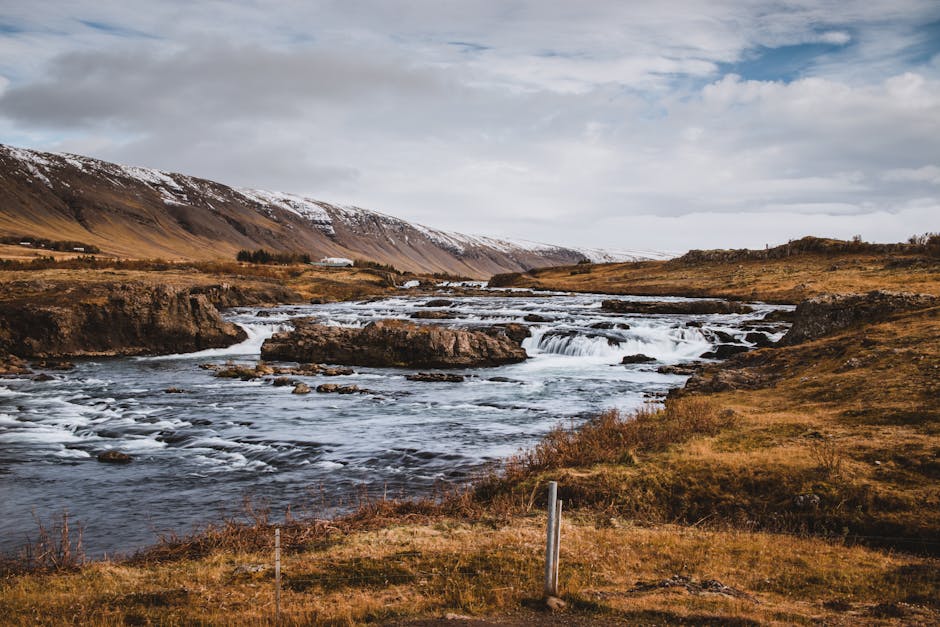
Solo travel doesn’t have to mean being lonely. Icelanders can seem reserved at first, but they are generally very helpful and have a dry sense of humor. The social life here doesn’t happen in the streets—it happens in the water. The local swimming pools are the community hubs. If you want to meet people, go to a public pool and sit in the hot tubs. This is where Icelanders discuss politics, the weather, and life. It’s the most authentic social experience you can have for under ten dollars.
The Best Spots to Connect in the Capital
Reykjavik is a very walkable city, which is a blessing for solo travelers. Loft Hostel has a rooftop bar that is specifically known for being a meeting point for backpackers. They often host live music or trivia nights. If you are a solo diner and feel awkward sitting at a table alone, head to Bæjarins Beztu Pylsur. It’s a world-famous hot dog stand. There is no seating, so everyone just stands around eating, making it easy to strike up a quick conversation with the person next to you. For a proper meal with a social vibe, Grandí Mathöll (a food hall by the harbor) is perfect. You can grab food from different stalls and sit at communal tables.
Joining Group Activities to Break the Solitude
If you find yourself craving human interaction after a few days on the road, consider booking a one-day group tour. I’ve found that Tröll Expeditions or Arctic Adventures offer great glacier hiking or snorkeling tours in Silfra (approx. $150 – $200). These are high-activity tours that naturally encourage interaction. You’ll be strapped into a harness or a drysuit alongside six or seven other people, which is a great icebreaker. It’s a nice way to let someone else do the driving for a day while you chat with fellow travelers from around the world.
Ultimately, the beauty of Iceland solo is that you are never truly stuck. The infrastructure is built for tourism, the English proficiency is near-universal, and the landscape provides enough entertainment that you won’t miss having a conversation partner. Just remember to hold onto your car door when you open it in the wind, and keep your gas tank at least half full. The island is big, but it is manageable if you take it one weather report at a time.