
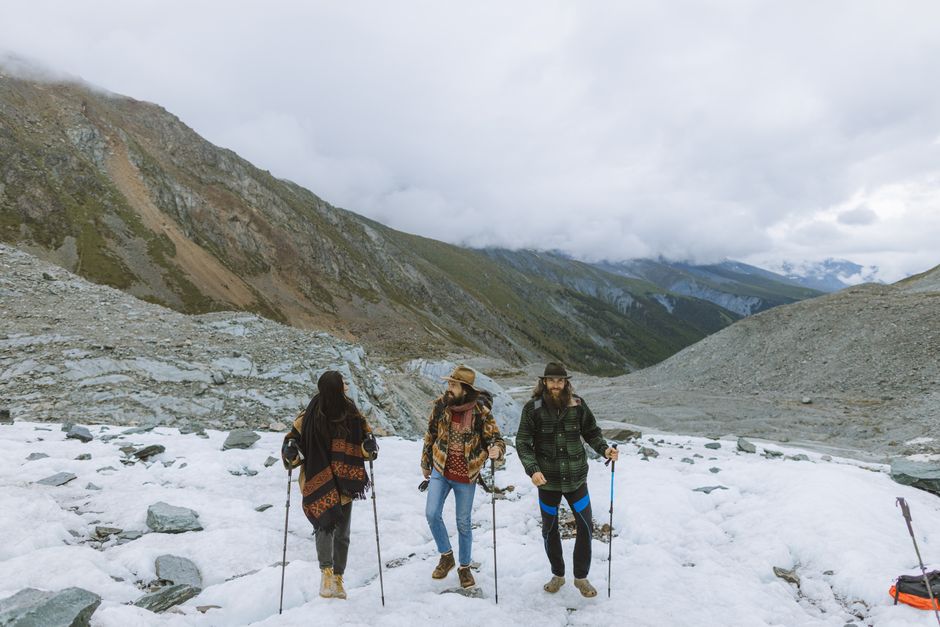
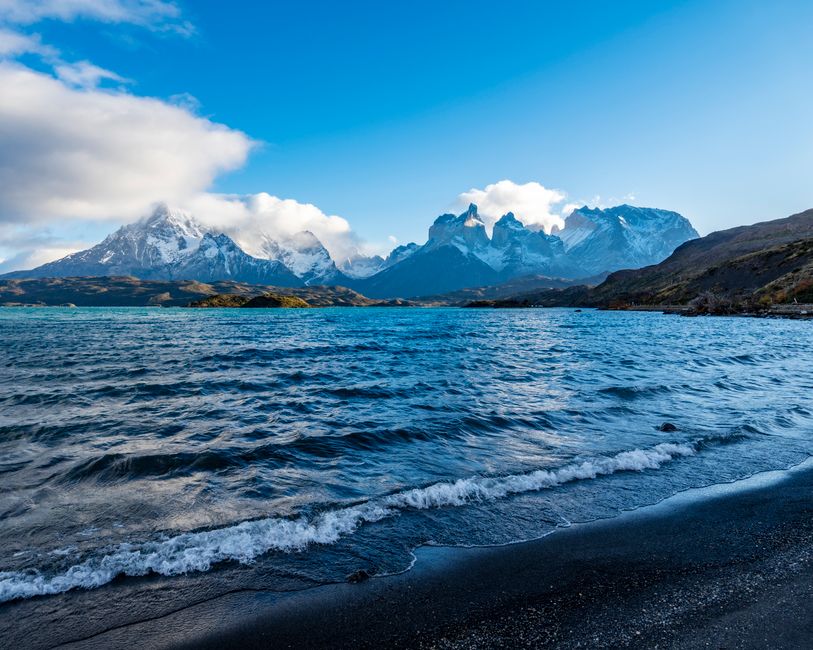
Wind gusts in Torres del Paine National Park routinely exceed 100 kilometers per hour. Not occasionally. Routinely. That single fact should dictate every single thing you put in your bag. Most packing lists for Patagonia read like a generic cold-weather checklist. They fail because they treat Patagonia like a ski trip. It is not a ski trip. It is a wind tunnel with glaciers attached.
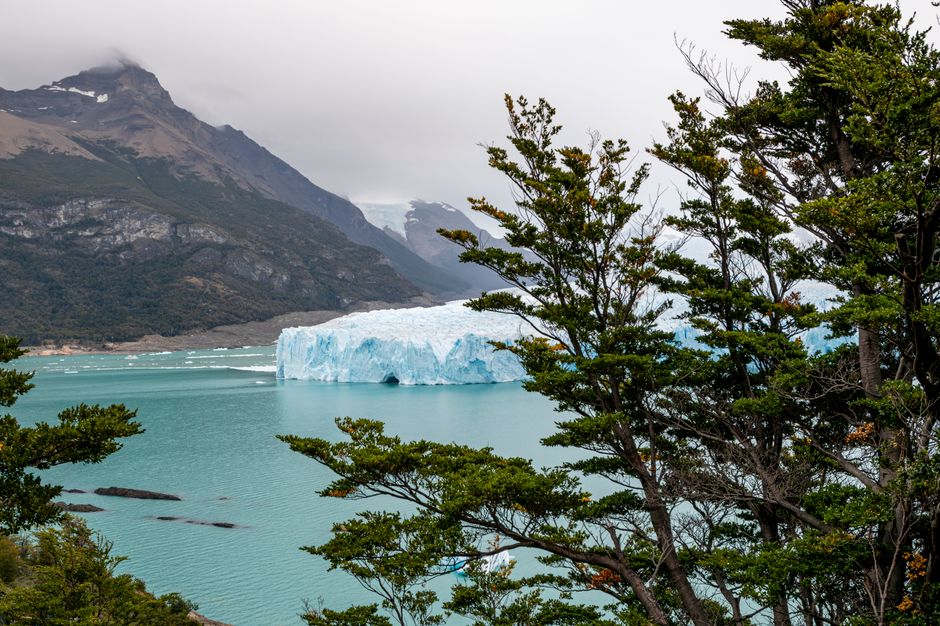
This list is not theoretical. It is the result of standing at the base of the Perito Moreno Glacier in July, watching a tourist’s cheap poncho shred itself to ribbons in thirty seconds. You do not need more clothes. You need the right clothes. And you need to understand why you are bringing each piece.
The Non-Negotiable Layering System (And Why Cotton Is A Liability)
Patagonia in winter (June through September) throws rain, snow, sleet, and sun at you in the same hour. Your clothing system must move moisture away from your skin and block wind at the outer layer. Every layer has a job. If a layer fails, the system fails.
Base Layer: Merino Wool Over Synthetics
I bring three merino wool base layer tops. Specifically, the Icebreaker 200 Oasis Long Sleeve Crewe ($80 each). Why merino? Because it does not stink. You can wear one for three days of hiking without smelling like a locker room. Synthetics like polyester dry faster, but they retain odor. When you are living out of a 40-liter pack for two weeks, that matters.
Bring three tops and two bottoms. The Smartwool Classic Thermal Merino Bottom ($95) is the standard. Do not bring cotton. Cotton kills. It absorbs sweat, loses all insulating ability when wet, and takes forever to dry. If you see cotton in your packing pile, take it out.
Mid Layer: The Fleece vs. Down Debate
You need both. A fleece works when it is wet. Down works when it is dry and cold. The Patagonia R1 Air Full-Zip Hoody ($179) is my fleece of choice. It breathes exceptionally well during uphill climbs. For static warmth, I pack the Arc’teryx Cerium LT Hoody ($400). It weighs 305 grams and packs down to the size of a grapefruit.
The failure mode here is bringing only a down jacket. If it rains and your down gets wet, you lose loft. You lose warmth. You get cold. The fleece is your insurance policy.
Shell: Gore-Tex Is The Standard
Your outer layer must be a hard shell with a hood. The Arc’teryx Beta AR Jacket ($600) is expensive. It is also the best piece of gear I own. The Gore-Tex Pro fabric keeps water out while letting sweat escape. The hood fits over a climbing helmet. The pit zips dump heat when you are working hard.
If $600 is too much, the REI Co-op XeroDry GTX Jacket ($249) is a solid budget alternative. Just make sure any shell you buy has taped seams and a waterproof zipper. A water-resistant jacket is not enough.
Bottoms: The Single Most Common Packing Mistake
Tourists bring jeans. Jeans are the worst possible choice for Patagonia winter. Denim is heavy, absorbs water, and chafes when wet. You will be miserable. Leave the jeans at home.
Hiking Pants and Rain Pants
I bring two pairs of hiking pants. The Prana Stretch Zion II ($95) are durable, stretchy, and dry quickly. They have a built-in belt. For rain and wind, I pack the Outdoor Research Foray II Pants ($215). These are full-zip rain pants. You can put them on without taking off your boots. That matters when a storm rolls in fast.
You will wear the rain pants more than you think. The wind in Patagonia cuts through regular hiking pants like they are not there. A good pair of rain pants adds 10 degrees of warmth by blocking that wind.
The Gear That Saves Your Trip: Boots, Socks, and Accessories
Your feet are your transportation. If your feet fail, your trip is over. Spend money here. Spend less on t-shirts. Spend money on boots and socks.
Boots: Waterproof Is Non-Negotiable
I wear the Salomon Quest 4 GTX ($230). They are waterproof, have good ankle support, and are comfortable out of the box. Break them in before you go. Wear them on at least five long walks at home. Blisters in Patagonia are a special kind of misery.
Bring two pairs of socks. The Darn Tough Hiker Micro Crew Cushion ($25 per pair) are merino wool and have a lifetime guarantee. If they get a hole, the company replaces them. Bring three pairs. Wash them in the sink. They will dry overnight.
Accessories: Gloves, Hat, and Buff
You lose most of your body heat through your head and neck. Bring a wool beanie. The Smartwool Merino 250 Beanie ($30) is warm and fits under a hood. Bring a buff. The Buff Original Multifunctional Headwear ($20) is the most versatile piece of gear you can own. Wear it around your neck, over your ears, or as a headband.
For gloves, bring two pairs. A lightweight liner glove for hiking. A waterproof insulated glove for standing around. The Outdoor Research Alti Mitts ($120) are overkill for most people. The Black Diamond Guide Gloves ($180) are the standard for cold, wet conditions.
| Item | Specific Product | Price (USD) | Why It Matters |
|---|---|---|---|
| Base Layer Top | Icebreaker 200 Oasis Crewe | $80 | Odor resistance, warmth |
| Base Layer Bottom | Smartwool Classic Thermal | $95 | Warmth next to skin |
| Fleece Mid Layer | Patagonia R1 Air Hoody | $179 | Breathable warmth when wet |
| Down Jacket | Arc’teryx Cerium LT Hoody | $400 | Compressible static warmth |
| Hard Shell Jacket | Arc’teryx Beta AR | $600 | Wind and rain protection |
| Hiking Pants | Prana Stretch Zion II | $95 | Durable, quick-drying |
| Rain Pants | Outdoor Research Foray II | $215 | Full-zip, blocks wind |
| Hiking Boots | Salomon Quest 4 GTX | $230 | Waterproof, ankle support |
| Socks | Darn Tough Hiker Micro Crew | $25 | Merino wool, lifetime guarantee |
| Beanie | Smartwool Merino 250 | $30 | Head warmth |
| Neck Gaiter | Buff Original | $20 | Versatile neck/face protection |
| Gloves | Black Diamond Guide Gloves | $180 | Waterproof warmth for hands |
| Headlamp | Petzl Actik Core | $70 | Short winter days |
| Water Bottle | Nalgene Wide Mouth 1L | $16 | Durable, reliable |
| Sunglasses | Julbo Explorer 2.0 | $120 | Glare from snow and ice |
| Sunscreen | La Roche-Posay Anthelios SPF 60 | $36 | High altitude UV exposure |
| Power Bank | Anker PowerCore 10000 | $40 | Keep phone charged in cold |
The 20% of Gear That Solves 80% of Problems
You do not need a lot of gadgets. You need a few specific items that solve real problems. Here is what actually earns its place in my pack.
Light: The Days Are Short
In winter, daylight in Patagonia lasts about 9 hours. You will be starting hikes in the dark. You will be finishing in the dark. A headlamp is not optional. The Petzl Actik Core ($70) has a rechargeable battery and puts out 450 lumens. That is enough to navigate a trail in total darkness.
Water: You Need to Drink More Than You Think
The cold air is dry. You lose moisture with every breath. You will not feel thirsty, but you will be dehydrated. Bring a Nalgene Wide Mouth 1L ($16). It is indestructible. Fill it with hot water in the morning and it doubles as a hand warmer in your pack.
Sun Protection: The Sun Is Stronger Than You Think
You are closer to the ozone hole. The sun reflects off snow and ice. You will get sunburned even on cloudy days. Bring Julbo Explorer 2.0 sunglasses ($120) with side shields. Bring La Roche-Posay Anthelios SPF 60 ($36). Apply it to your nose, cheeks, and ears. Reapply every two hours.
Power: The Cold Kills Batteries
Your phone battery will drain twice as fast in the cold. Keep your phone in an inside pocket close to your body. Bring an Anker PowerCore 10000 ($40). It is small, light, and will charge your phone twice. Keep the power bank in your sleeping bag at night. Cold batteries fail.
What To Leave At Home: The Failure Modes
Most people pack too much. They pack for fear. They pack for “what if” scenarios that never happen. Here is what to cut.
Jeans. Already covered. Just don’t.
Cotton anything. T-shirts, sweatshirts, socks. Cotton is fine for the plane. It is not fine for the trail.
Heavy books. You will not read them. You will sleep. Bring a Kindle or listen to podcasts.
Too many clothes. You can wear the same base layer for three days. You can wash socks in the sink. You need less than you think.
Umbrellas. The wind will destroy an umbrella in seconds. A good rain jacket is your umbrella.
Heavy boots. You do not need mountaineering boots for most trails. Waterproof hiking boots are enough.
The biggest failure mode is pack weight. If your pack weighs more than 15 kilos, you will be miserable. Every item you add is something you have to carry up a hill in the wind. Be ruthless. If you are not sure you need it, you don’t need it.
Final Word: The System Is The Strategy
Patagonia in winter is not a fashion show. It is a test of your preparation. The tourists who have a bad time are the ones who packed for a city trip and got hit by a storm. The tourists who have a great time are the ones who packed a system.
Your system is this: merino wool next to skin, fleece for active warmth, down for static warmth, Gore-Tex for wind and rain, and waterproof boots on your feet. Everything else is noise. Pack that system, and you will be warm, dry, and comfortable. You will be the person standing at the viewpoint, enjoying the view, while the guy in the jeans runs back to the bus. Be the person with the system.