
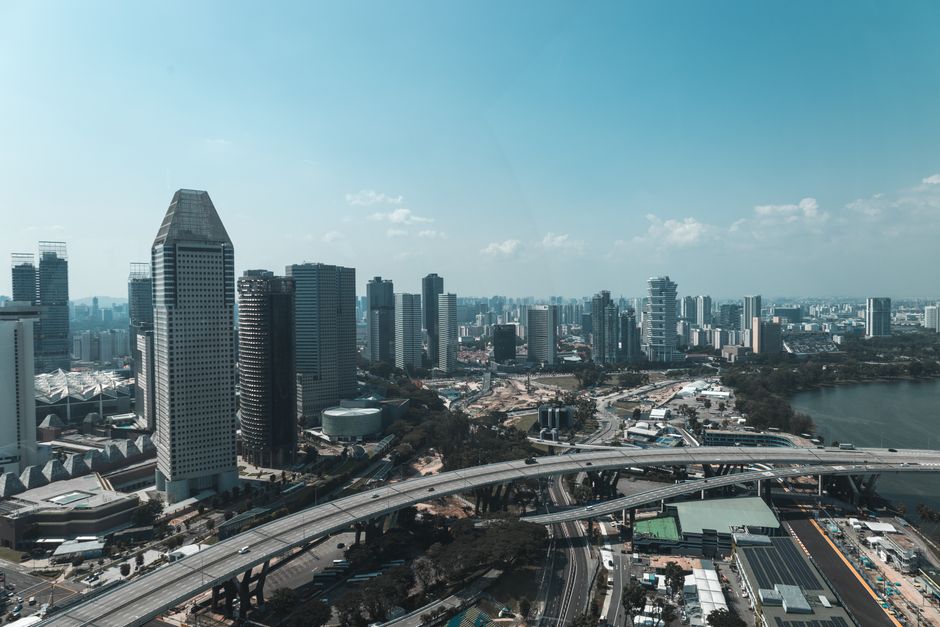
Singapore in April rewards families who plan around the clock, not against it. Days are hot and humid, afternoon thunderstorms are common, and the right itinerary can turn a wet hour into a cool reset instead of a ruined holiday.
Is April a good month to visit Singapore with kids?
Yes, if your family can handle tropical heat and you build the day around short outdoor bursts. April is an inter-monsoon month, not a guaranteed dry season. Singapore’s long-term April averages are a 32.4°C daily high, a 25.3°C daily low, 164.3 mm of rain, and 15 rain days. The rain often arrives as a heavy afternoon thunderstorm, then clears quickly. Check the Meteorological Service Singapore climate data before you lock in outdoor plans.
The weather is hot, wet, and workable
The main problem is not constant rain. It is the combination of heat, humidity, hard pavement, and a child who has already spent three hours outside. A family that starts at 8:30 a.m., takes an indoor break after lunch, and returns outside after 4 p.m. will usually have a far easier day than a family that treats Singapore like a mild city-break destination.
Use breathable clothing, a small umbrella, and shoes that dry quickly. Expect air-conditioning indoors, so a thin layer helps on buses, trains, and in museums. Young children may need a midday nap even if they normally skip one at home.
The dates that change your plan
In 2026, Good Friday falls on 3 April. That creates a long weekend, so attractions and popular restaurants can be busier from Friday through Sunday. If your trip overlaps that weekend, reserve timed-entry attractions early and put your most flexible outdoor activity on the public-holiday day. The official 2026 holiday calendar is the reliable reference.
April is a strong choice for families who want warm weather, long daylight, and a large mix of indoor and outdoor activities. It is a poor choice for anyone expecting a rain-free beach holiday or a packed schedule of outdoor sightseeing from breakfast until bedtime.
How should families structure each day?
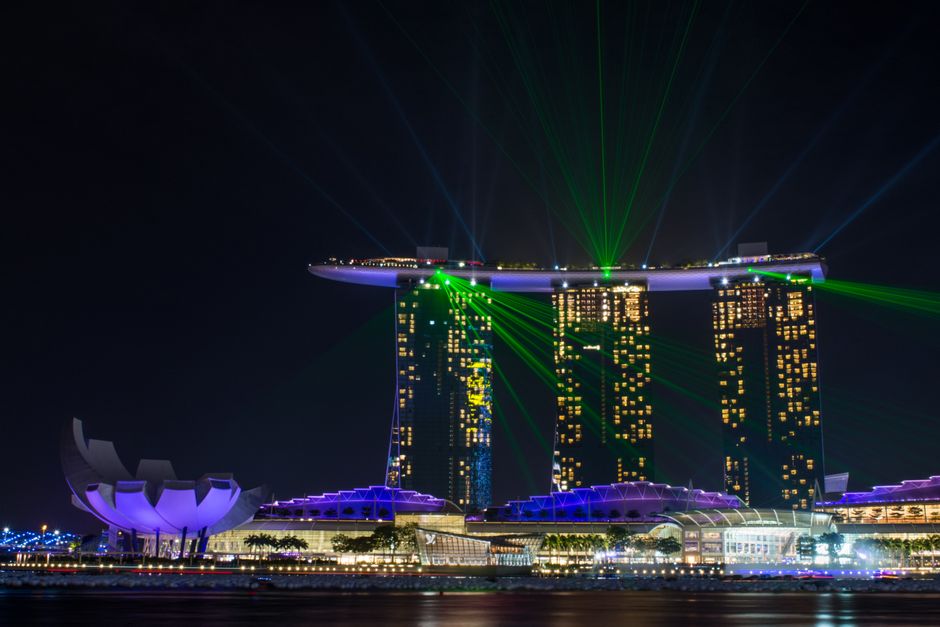
The winning format is a three-block day: one early outdoor block, one protected indoor or rest block, and one late-afternoon activity. This keeps the itinerary useful even when a thunderstorm cuts across the middle of the day.
Use the three-block rule
- Start outdoors between 8:30 and 9:30 a.m., when the pavement is cooler and children still have energy.
- Plan a substantial break from roughly 12:30 to 3:00 p.m. Use a museum, shopping centre, hotel room, café, or nap period.
- Move again after 4:00 p.m., when the worst heat usually eases and rain forecasts become easier to read.
- Keep one major ticketed activity per day. Two large attractions often mean two queues, two long walks, and a tired child before dinner.
- Leave 30 minutes between transport and timed entry. A delayed train, toilet stop, or wet pavement can erase a tightly packed schedule.
- Put the activity your children care about most on the morning with the clearest forecast.
Build a rain-safe swap before leaving home
Every outdoor plan needs an indoor replacement within 20 minutes by train or taxi. Do not wait for the storm to begin before choosing one. A good swap has toilets, seating, food, and enough space for children to move, because standing under an awning for an hour is not a family itinerary.
Use the forecast as a decision point at breakfast and again at 2 p.m. If lightning appears, cancel exposed viewpoints, beaches, and open-air rides immediately. Singapore’s rain is manageable; pretending the weather will follow your spreadsheet is the expensive mistake.
Which Singapore attractions justify the family budget?
Paid attractions work best when they solve a real planning problem: heat, rain, tired legs, or a child’s strong personal interest. The figures below are published Singapore-dollar prices found on official attraction pages and can change by date, resident status, promotion, or age.
Use the value test
| Attraction or pass | Published price reference | Best use for families |
|---|---|---|
| Singapore Zoo | Non-resident adult S$49; child ages 3–12 S$34; tram included | Best for animal-focused children and an early start |
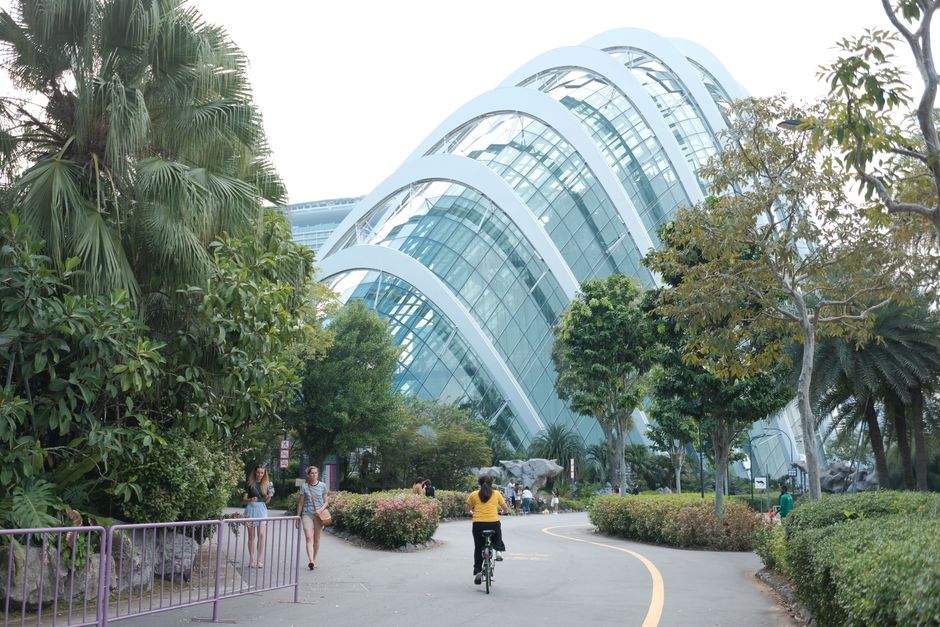
| Gardens by the Bay Flower Dome and Cloud Forest with Jurassic World | Non-resident adult S$46; child ages 3–12 S$32 | Best rainy-day anchor with air-conditioning and indoor walking |
| Universal Studios Singapore | Tickets from S$69 on the Sentosa attraction listing | Best for older children who will use several rides and shows |
| Singapore Cable Car Sentosa Line | Adult S$17; child S$12 for a round trip | Best as a short scenic ride, not a full-day plan |
| Sentosa Fun Discovery Pass | 60-token pass listed at S$60; validity listed as 180 days | Best only when your family will use several included activities |
The clear verdict
For a wet April afternoon, Gardens by the Bay is the strongest paid choice because it gives families a cool indoor route and a clear time boundary. For children who want animals, Singapore Zoo offers the better value when you arrive early and use the included tram. Do not buy the Sentosa pass automatically: calculate the individual attraction prices first, because a family that uses only one or two activities can pay more for unused tokens.
What should parents pack for Singapore in April?
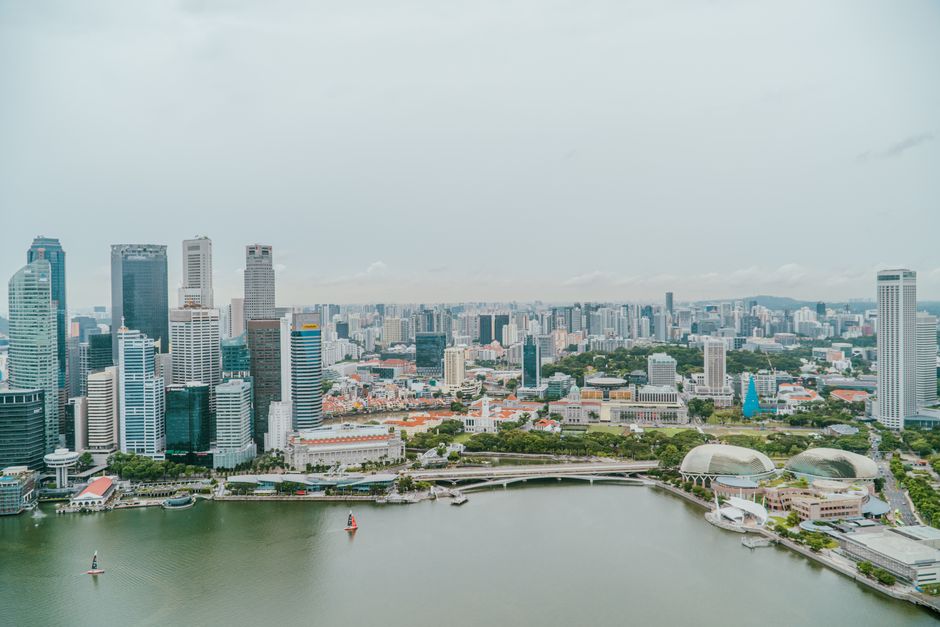
Pack for sweat, sudden rain, and long periods of walking. The goal is not to carry every possible emergency; it is to keep the family comfortable for the next six hours.
What clothing works best?
Give each child one quick-dry outfit per full day, plus one spare top in the day bag. Lightweight shorts or trousers, breathable shirts, and sandals with secure straps work better than heavy denim. Pack a thin layer for strongly air-conditioned indoor spaces. A brimmed hat protects better than a baseball cap for younger children because it shades the ears and neck.
What belongs in the day bag?
- One compact umbrella for each adult, rather than one large umbrella for the whole family.
- Refillable water bottles, with at least 500 ml per child before a long outdoor block.
- Electrolyte sachets for children who sweat heavily or stop eating in the heat.
- Small towels, tissues, hand sanitiser, and a waterproof pouch for wet clothing.
- Sun protection that your children already tolerate. A new sunscreen used for the first time on holiday is a poor experiment.
- A lightweight stroller for a child who normally walks but may tire after several kilometres.
How should families handle food and rest?
Offer water before children ask for it and schedule food before hunger becomes a meltdown. Keep one familiar snack available, but leave room for local meals. Choose restaurants with indoor seating and quick service during the hottest part of the day. A 45-minute quiet break can protect the evening more effectively than adding another attraction.
Which mistakes make an April family trip harder?
My strongest recommendation is to buy flexibility, not more attractions. A flexible plan protects the money already spent on flights and accommodation; a rigid plan turns one thunderstorm or one tired child into a chain of missed reservations.
Do not schedule a full outdoor day
Putting a morning wildlife visit, an exposed viewpoint, a beach stop, and an evening show on the same day looks efficient on paper. In April, it creates four failure points. Heat can slow the family before lunch, rain can close exposed areas, and a delayed taxi can make the final reservation useless. Keep one outdoor anchor and one indoor fallback instead.
Do not mistake a ticket bundle for savings
Passes and bundles make sense only when the included activities match your children’s ages, height limits, interests, and stamina. Check the cancellation rule, timed-entry requirement, weather policy, and last admission time before paying. A cheap ticket that cannot be moved after lightning, illness, or a missed nap is not cheap for a family.
Also avoid treating taxis as the only transport option. Singapore’s trains and buses cover most family routes, while a taxi is most useful for the final connection, late evenings, or a soaked child with no patience left. The family that arrives expecting a perfect sunny schedule can still have an excellent April trip: start early, protect the midday break, and keep one good plan in reserve.