
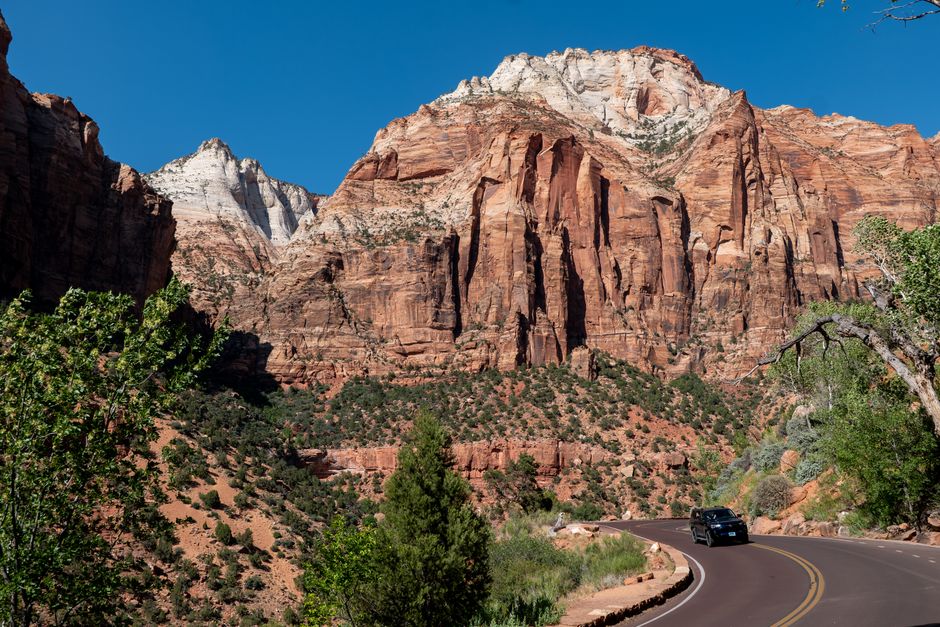
Spring is not automatically the perfect season for a Utah family road trip. Zion can feel warm while Bryce Canyon still has snow, and a short storm can turn an easy dirt road into a miserable drive. The payoff is worth it, but only if you build the route around elevation, daylight, and realistic driving days.
The best spring route runs from Zion to Moab
My pick is a seven-day route from Las Vegas through Zion, Bryce Canyon, Capitol Reef, and Moab. It covers four of Utah’s five national parks without forcing children to spend every afternoon strapped into a car. Canyonlands works as a half-day or full-day trip from Moab because its Island in the Sky district sits about 32 miles from town.
The route that wastes the least time
| Day | Base | Plan | Approximate drive |
|---|---|---|---|
| 1 | Springdale | Arrive from Las Vegas; walk Pa’rus Trail or explore the town | 160 miles, about 2 hours 40 minutes |
| 2 | Springdale | Zion Canyon shuttle, Riverside Walk, and a short viewpoint hike | Local driving only |
| 3 | Bryce Canyon City | Drive to Bryce; see Sunset Point and the amphitheater rim | 85 miles, about 2 hours |
| 4 | Torrey | Drive through Grand Staircase country to Capitol Reef | 120 miles, about 2 hours 30 minutes |
| 5 | Moab | Capitol Reef morning; drive to Moab after lunch | 150 miles, about 2 hours 30 minutes |
| 6 | Moab | Arches National Park, starting before the busiest hours | Local driving, 36 miles round trip |
| 7 | Moab | Canyonlands Island in the Sky, then depart or add a night | 64 miles round trip |
Why I would skip the fifth park on a short trip
Do not add the Needles district of Canyonlands to this route. It sits near Monticello, far from Moab, and turns a clean loop into a series of long detours. The same applies to trying to squeeze in all five parks in five days. You will collect entrance stamps and miss the actual parks.
For a first family trip, use Zion and Bryce for the canyon experience, Capitol Reef for a quieter stop, and Moab for the two-park finish. Check the official Arches planning page before departure because entrance procedures can change between seasons.
Seven days is the minimum for a comfortable family trip
What three or four days really gives you
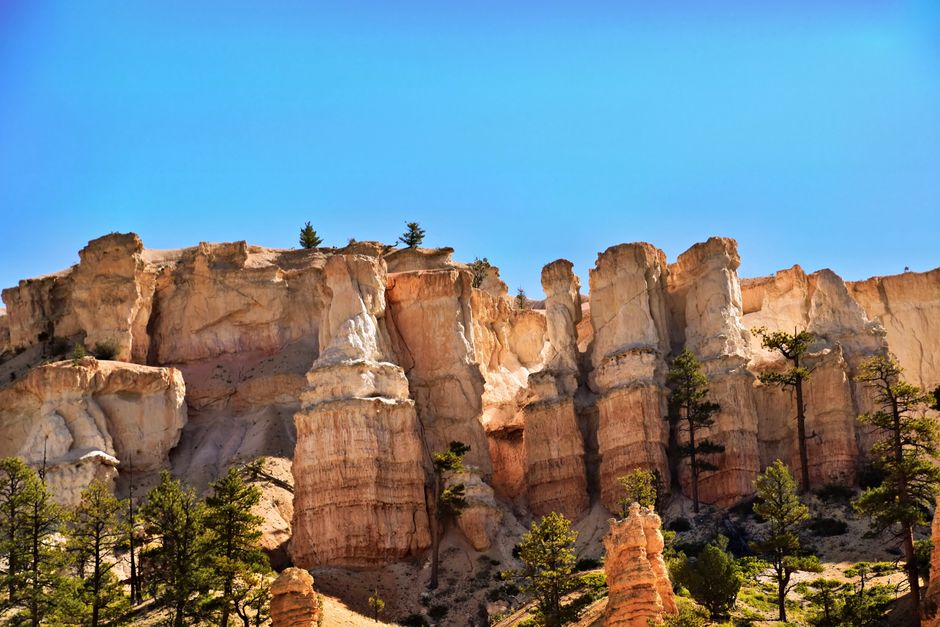
Three days can cover Zion and Bryce, but it cannot honestly cover the Mighty 5. A four-day itinerary can add one quick stop in Capitol Reef, yet the drive from Bryce to Moab still consumes most of a day once you include fuel, food, bathroom breaks, and the inevitable roadside stop that keeps everyone sane.
When ten days becomes the better choice
Ten days gives you two nights in Zion, two in Bryce or nearby, two around Capitol Reef, and three in Moab, with one spare day for weather. That spare day matters because spring storms can close high-elevation trails, slow the drive through mountain passes, or make a planned sunrise hike impossible. If your children are under eight, or if anyone dislikes long walks, choose ten days and remove Canyonlands before removing rest time. A family trip improves when the schedule has room for a slow breakfast, a skipped hike, and a second chance at a viewpoint.
Spring weather changes the trip more than the calendar does
Southern Utah does not have one spring climate. It has several stacked on top of one another. Zion’s canyon floor sits much lower than Bryce Canyon’s rim, so a March morning can bring comfortable hiking in Zion and freezing wind or fresh snow in Bryce on the same day. Capitol Reef and Moab usually feel warmer, but exposed trails there offer little shade and can become unpleasant by early afternoon.
What to expect at each elevation
Zion is the easiest place to start early in the season. Pack layers for mornings around freezing and afternoons that may reach the 60s or 70s Fahrenheit. Bryce sits roughly 8,000 feet above sea level, so snow, ice, and strong wind remain realistic through April. The rim walks may be open while sections of the Navajo Loop or Queen’s Garden remain icy. Do not promise young children a particular trail before checking the morning conditions.
Capitol Reef offers a useful middle ground. The paved Scenic Drive and Fruita area can be pleasant in spring, but the park’s higher roads and unpaved routes are vulnerable to mud. In Moab, the problem often flips: the morning is ideal, the afternoon is hot, and a child who was cheerful at 8 a.m. has no patience left by 2 p.m.
How to pack for mixed conditions
- Bring a warm base layer, fleece, waterproof shell, hat, and gloves for Bryce.
- Pack one refillable water bottle per person and plan at least 2 liters per adult on exposed Moab hikes.
- Use shoes with real grip; smooth casual sneakers are poor on wet sandstone and icy canyon trails.
- Carry snacks in the daypack, not buried in the trunk. Hunger turns a minor delay into a family argument.
- Keep a dry change of clothes in the vehicle for muddy trails, spilled drinks, and sudden rain.
How to handle storms and road alerts
Check the National Park Service conditions page each morning. Rain can make unpaved roads in Canyonlands impassable, and flash floods can develop below clear-looking skies upstream. Never drive through moving water. A rental SUV does not make a family invincible, and most standard rental vehicles are not approved for rough backcountry roads. Stay on paved scenic roads unless the park explicitly confirms that your vehicle and route are suitable.
Five mistakes that ruin a Utah family road trip
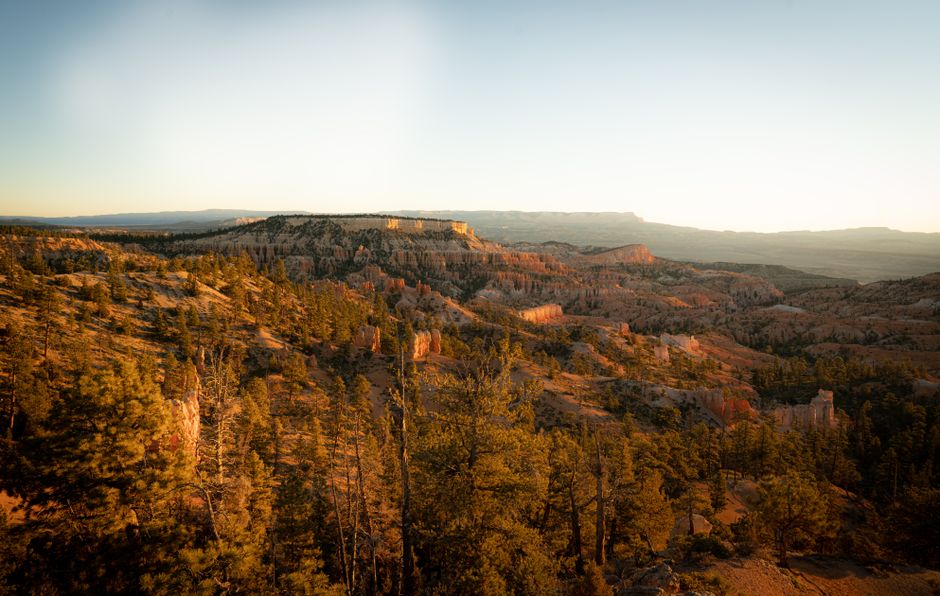
The biggest problems are not dramatic. They are small planning errors repeated for a week: late starts, overpacked days, poor food timing, and one trail choice that ignores the youngest traveler.
Fix these before you leave
- Do not treat driving time as sightseeing time. A two-hour route can take three hours with fuel, lunch, viewpoints, and a child who needs a restroom.
- Do not schedule the hardest hike first. Give everyone an easy trail on arrival day, then test stamina before committing to longer routes.
- Do not rely on one grocery stop. Spring towns can be busy, and remote park areas have limited food options. Buy breakfast supplies and trail snacks before reaching the next base.
- Do not assume a permit solves every logistics problem. An Angels Landing permit does not reserve a parking space or guarantee good weather. Zion says visitors do not need a permit to ride its park shuttle, but the Angels Landing chain section does require one.
- Do not leave every hike until afternoon. Morning gives you cooler temperatures, better parking odds, and children with more energy.
What to reserve and what to leave flexible
Reserve lodging and any campground early, especially around Easter and school breaks. Leave one afternoon flexible in Zion or Moab. In 2026, Arches does not require an advance timed-entry reservation, but the park warns that entrance lines and full parking lots can still happen during busy periods. Bryce Canyon’s 2026 shuttle season runs from April 3 through October 18, and the free shuttle is the sensible choice for the crowded amphitheater area. Check the current Bryce Canyon shuttle schedule before setting a sunrise or sunset plan.
Should your family visit all five Utah parks?
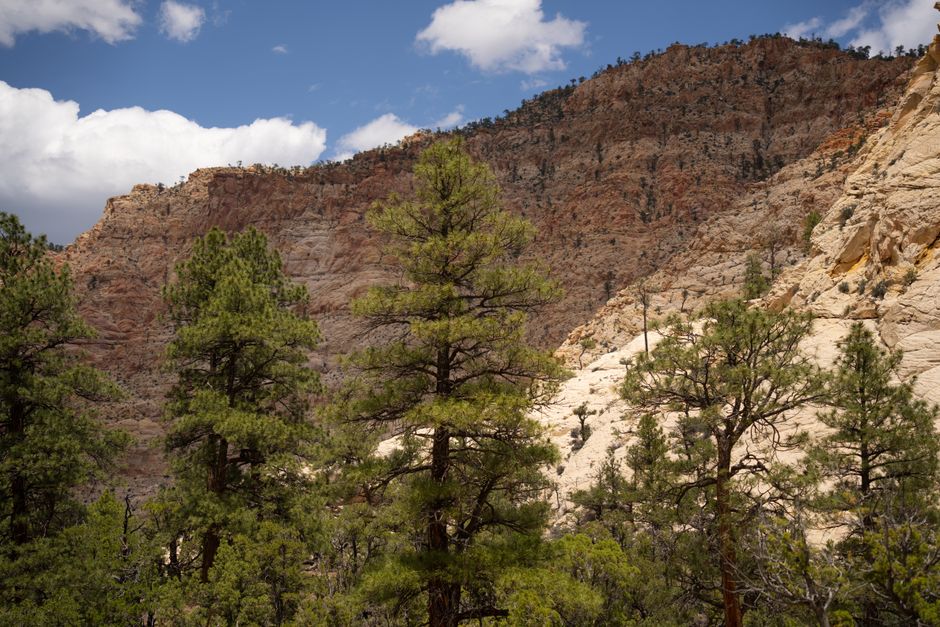
Is the full Mighty 5 route worth it?
Yes, if you have nine or ten days and your family enjoys changing scenery. No, if you have five or six days, young children who struggle with long drives, or a fixed flight home from Las Vegas. The full route is a logistics project, not a relaxed vacation.
Should you hike Angels Landing with children?
Only if every participant is comfortable with steep exposure, narrow sections, and a serious drop. The trail is not a family milestone that anyone must complete. Riverside Walk, Pa’rus Trail, Emerald Pools, and the lower canyon offer better choices for many families. For 2026, Zion’s spring seasonal lottery covers hike dates from March 1 through May 31, and the park also offers a day-before lottery. Read the official Angels Landing permit rules before making plans.
What is the clearest final recommendation?
For most families, the best Utah national parks road trip in spring is seven nights with two bases in Zion and Moab, one night near Bryce, and one night near Capitol Reef. Make the parks the point of the trip, not proof that you can drive between every famous viewpoint.