
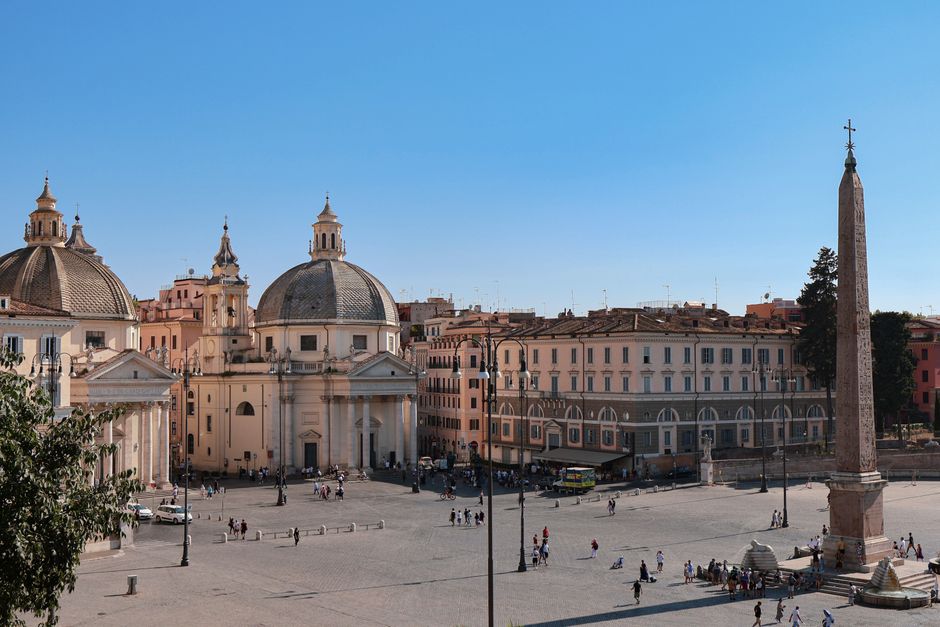
Easter is a strong time for a family trip to Italy: spring weather is usually manageable, outdoor sights are enjoyable, and children get more from ancient streets than from another indoor museum day. In 2026, Easter Sunday falls on April 5 and Easter Monday on April 6, so opening hours and transport demand matter more than usual.
The best plan is not a rushed checklist. Use two main bases, leave room for meals and playground stops, and treat Easter Sunday as a light local day rather than a sightseeing marathon.
How to Choose the Right Italian Route for Children
My clear recommendation is Rome plus Florence for a first family Easter trip. The route has enough variety to keep children interested, strong rail links, and short walking loops that can be broken into manageable blocks. Adding Venice, Milan, or the Amalfi Coast creates a prettier map but a harder holiday. Every extra hotel change costs time, energy, and patience.
Why two bases beat four cities
Children usually cope well with one major activity in the morning, a proper lunch, and one smaller activity later. They cope badly with a 6:30 a.m. hotel checkout followed by luggage storage, a train, a museum queue, and a late dinner. Rome deserves four nights because its sights are spread across several neighborhoods. Florence works with three nights because the historic center is compact and easy to cross on foot.
A family arriving from outside Europe may need the first day to recover from a flight. Do not book the Colosseum, Vatican Museums, and a long train journey in the same 24-hour period. That itinerary looks efficient in a spreadsheet and feels punishing on the ground.
What children actually need from a city
Choose accommodation within a short walk of a grocery store, a casual restaurant, and a green space. A lift matters if you have a stroller. A kitchen or breakfast area can save money and prevent the daily argument over food. In Rome, the area around Prati gives families practical access to the Vatican and metro. Near Florence Santa Maria Novella, you can reach the station quickly, but check street noise before booking.
Plan for toilets, snacks, shade, and a change of socks. These details sound basic because they are basic. A child who is tired or hungry will not care that the next monument is one of Europe’s most famous.
Where to Go in Italy for Easter With Kids
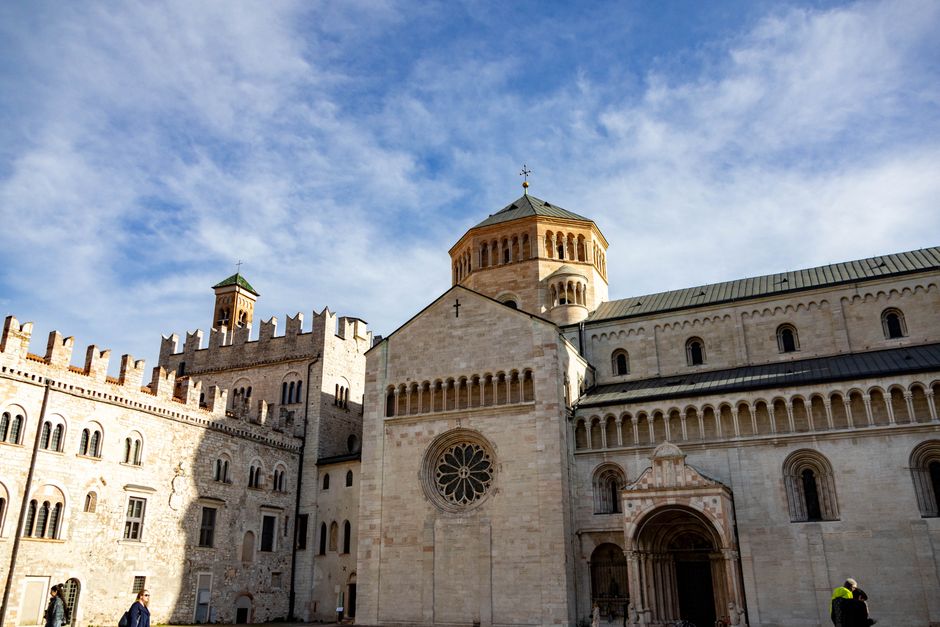
This route keeps travel time under control while mixing ancient history, hands-on experiences, open squares, and food that children can usually accept. Easter Sunday and Monday should stay flexible because churches, shops, restaurants, and attractions may use holiday schedules.
| Day | Base | Main plan | Family reason |
|---|---|---|---|
| 1 | Rome | Arrive, settle in, walk to a nearby piazza | Low-pressure start after travel |
| 2 | Rome | Colosseum area, Roman Forum viewpoint, Monti dinner | Big visual landmarks with short breaks |
| 3 | Rome | Villa Borghese, playground time, Spanish Steps | Balances culture with open space |
| 4 | Rome | Vatican area or a relaxed Easter service | Leaves room for holiday closures |
| 5 | Florence | High-speed train, Duomo exterior, Piazza della Signoria | Short transfer and walkable center |
| 6 | Florence | Boboli Gardens, gelato stop, Oltrarno | Outdoor day with fewer queues |
| 7 | Florence | Market or museum choice, then depart | Lets the family choose the final pace |
Best day trips to skip on a short holiday
Pompeii, Naples, and the Amalfi Coast are worthwhile, but they do not belong in this seven-day route unless your children handle long travel days well. Pompeii needs several hours of walking on uneven ground. The Amalfi Coast adds winding roads and slow transfers. For a first visit with young children, Rome and Florence give a better return in time and effort.
Where to place Easter Sunday
Put Easter Sunday in Rome if attending Mass or seeing the city’s religious traditions is part of the trip. Put it in Florence if you want a quieter day built around a meal, a garden, and a short walk. Do not assume every attraction will run its normal timetable. Check each official site in the week before departure and keep a free alternative nearby.
How to Move Between Italian Cities Without Losing a Day
Use trains for the Rome–Florence leg. Driving looks flexible, but city-center parking, restricted traffic zones, car seats, tolls, and luggage turn that flexibility into work. A train leaves both adults free to manage children, and the station-to-station journey is about 1 hour 30 minutes on high-speed services.
- Book the intercity leg before the holiday rush. Compare Trenitalia Frecciarossa and Italo for the exact date. Both publish Rome–Florence journeys of roughly 1 hour 30 minutes, while Rome–Naples takes about 1 hour on their high-speed networks.
- Choose city-center stations. Rome Termini and Florence Santa Maria Novella put you close to the areas most families visit. An airport transfer can take longer than the train ride, so price the full door-to-door journey rather than only the ticket.
- Reserve seats together. Check the seating map before payment. Families should not rely on staff to rearrange a full train after boarding, especially on a public holiday.
- Keep one small day bag per child. Put water, headphones, wipes, a snack, and one quiet activity inside. Large suitcases create problems on station stairs and narrow hotel corridors.
- Use local transport only when it saves energy. Rome’s ATAC network can cut long walks, but a short metro ride may involve stairs and crowded platforms. In central Florence, walking is usually simpler than waiting for a bus.
What budget should you set aside for trains?
Use a planning range of about €25 to €70 per adult each way for advance high-speed fares and a wider allowance if booking close to departure or during the Easter weekend. Children’s fares, fare conditions, and seat rules vary by operator and ticket type. Treat that range as a budgeting tool, not a live quote.
For a family of four, the most common mistake is comparing only the cheapest ticket. A restricted fare may look attractive until a changed flight, missed connection, or child illness turns it into a sunk cost. Pay for flexibility only if your arrival schedule is uncertain; otherwise, book an earlier train and keep a buffer before the next hotel commitment.
What Can Go Wrong During Easter in Italy?
Will restaurants and shops be open?
Many restaurants do open during the Easter period, but small businesses may close for part of Easter Sunday or Easter Monday. Book one dependable family meal for each holiday date, then keep the other meals simple. A supermarket breakfast and a picnic lunch can protect the day when a planned café is shut.
Should you visit churches with young children?
Yes, but explain the setting first. Easter is a religious holiday, not only a photo opportunity. Dress respectfully, keep voices low, and avoid treating a service as a tourist queue. If your children cannot manage a long ceremony, choose a short visit outside service times and pair it with a nearby park.
What is the biggest booking mistake?
The biggest mistake is filling every hour before checking holiday calendars. Families often reserve a museum, a restaurant, and a day trip without leaving time for closures, rain, delayed trains, or a child who simply needs an afternoon nap. Keep at least one flexible block every two days.
Another common error is choosing a beautiful apartment far from transport and food. A low nightly rate does not stay low after taxi fares, grocery deliveries, and exhausted adults start solving every small problem. Location beats extra floor space for most short family breaks.
Which 7-Day Easter Plan Gives the Best Value?

For most families, four nights in Rome and three in Florence is the best balance. It gives children ancient ruins, gardens, plazas, and gelato without turning the holiday into a transport project. Add Naples only if food and archaeology matter more to your family than a slower pace.
These figures are planning allowances for 2026, not guaranteed prices. Airfare, accommodation, Easter meals, attraction tickets, and train fares can move sharply by date. This is not financial advice; it is a practical travel budget framework, so check live prices before paying.
| Choice | Best for | Travel load | Planning allowance |
|---|---|---|---|
| Rome and Florence | First family trip | One main train transfer | €90–€160 per person for return high-speed rail |
| Rome only | Young children or five-night trips | No hotel change | Lower transfer costs, higher local attraction spend |
| Rome, Florence, and Venice | Older children and eight or more nights | Two long transfers | Allow another €50–€120 per person for rail |
| Rome and Naples | Pompeii, pizza, and archaeology | One short high-speed transfer | Allow extra transport and guided-site costs |
Bottom line: choose Rome and Florence for the strongest mix of famous sights, manageable train times, and family-friendly downtime. Choose Rome alone when your children are under six or the trip lasts fewer than six nights. Choose Naples instead of Florence only when Pompeii and southern Italian food are the main reason for going. That decision keeps the itinerary honest, which is more valuable than squeezing another city onto the map.