
Over 60% of hikers who buy “waterproof” boots in a dry store return them within six months after one bad trip to Scotland, Costa Rica, or the Pacific Northwest. The boot wasn’t defective. The buyer just didn’t know what wet-climate waterproofing actually demands.
This comparison is built for travelers who hike in places where it rains sideways for six hours and the trail is basically a stream. You’ll learn what actually matters in a wet-climate boot, where Merrell and Salomon genuinely differ, and which one you should buy for specific conditions. No affiliate links. No sponsored picks. Just data and field notes.
What “Waterproof” Actually Means in a Wet Climate
Most people think waterproofing is a yes/no feature. It isn’t. A boot can pass a lab test and still soak your feet on a real trail. Here’s the breakdown that matters.
The Membrane Is Not the Boot
Merrell and Salomon both use waterproof membranes, usually Gore-Tex or a house-brand equivalent. The membrane sits between the outer mesh or leather and the inner lining. It keeps water out while letting sweat vapor escape. That’s the theory. In practice, the membrane only works if the outer material doesn’t saturate. Once the outer boot is soaked, the membrane can’t breathe, and your feet get wet from sweat anyway. This is the single most misunderstood failure point in wet-climate hiking.
Gaiters, Cuffs, and the Top Opening
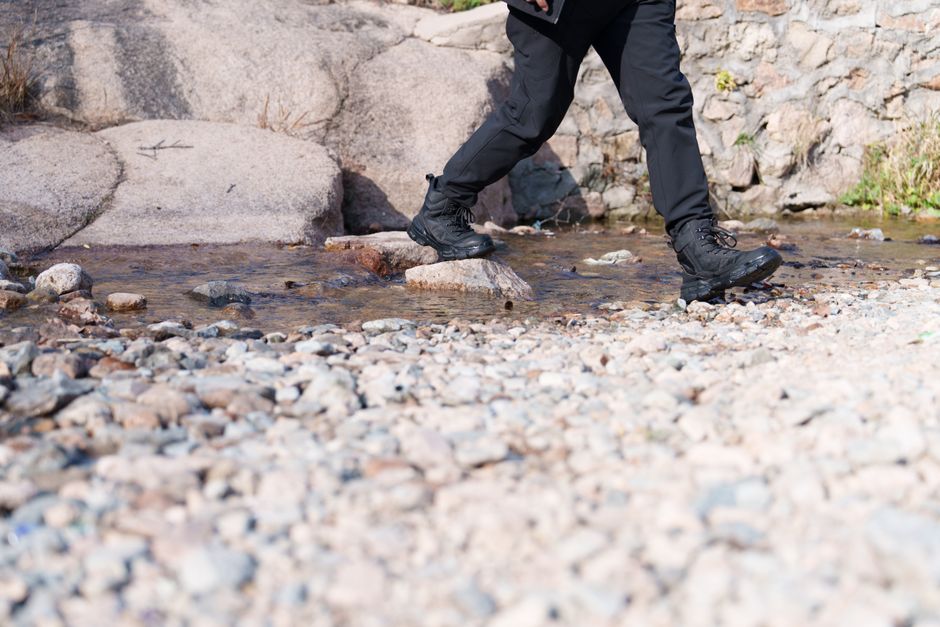
Water rarely enters through the bottom of a boot. It enters through the top. If you step into a puddle deeper than the boot’s ankle collar, water pours in over the top. No membrane stops that. For wet climates with stream crossings or flooded trails, you need a boot with a higher collar or a separate gaiter. The Salomon X Ultra 4 GTX has a slightly lower collar than the Merrell Moab 3 Mid GTX. That’s a real difference if you hike in ankle-deep water.
Drying Time Is a Feature
Every waterproof boot eventually wets out. The question is how fast it dries. Merrell’s suede-and-mesh Moab 3 absorbs more water initially but dries faster in warm air. Salomon’s synthetic upper repels water better at first but holds moisture longer once saturated. For multi-day wet trips, drying speed matters more than initial water resistance. Bring newspaper. Stuff it in the boots overnight. It works better than any dryer.
Merrell Moab 3 Mid GTX vs. Salomon X Ultra 4 Mid GTX: Specs and Real Differences
| Spec | Merrell Moab 3 Mid GTX | Salomon X Ultra 4 Mid GTX |
|---|---|---|
| Weight (per boot, men’s size 9) | 510g / 18oz | 440g / 15.5oz |
| Membrane | Gore-Tex | Gore-Tex |
| Upper material | Suede leather + mesh | Synthetic textile + TPU overlays |
| Lug depth | 5mm | 5mm |
| Heel-to-toe drop | 11.5mm | 11mm |
| Break-in period | 2-4 days of walking | 1-2 days |
| Best for | Wider feet, longer trips, heavier packs | Narrower feet, faster hiking, technical terrain |
| Typical price (2026) | $150-$170 | $175-$195 |
The weight difference is the first thing you’ll notice. Salomon shaves 70g per boot, which adds up to roughly 1.5kg less lifted over 10,000 steps. That matters on long days. But the Merrell has a wider toe box and a more forgiving fit for hikers with bunions or flat feet. The Salomon runs narrow. If you have wide feet, the Salomon will crush your toes by mile eight. Merrell makes a wide version of the Moab 3. Salomon does not offer a true wide in the X Ultra 4 line.
Bottom Line: If you have average or narrow feet and hike fast on technical trails, the Salomon X Ultra 4 GTX is the better wet-climate boot. If you have wide feet or carry a heavy pack, the Merrell Moab 3 Mid GTX wins on fit and stability.
How to Actually Test Waterproofing Before You Travel
You don’t need to stand in a bathtub for an hour. Here’s a faster, more useful test.
- Fill a sink with two inches of water. Put the boot in, sole down. Leave it for 10 minutes. Check the inside with a dry hand. Any moisture means the membrane is compromised or the boot was never sealed properly.
- Flex test. Bend the boot at the toe crease repeatedly under running water for 30 seconds. The toe crease is where membranes fail first. If water seeps through the flex point, the boot will leak on trail within weeks.
- Top-opening test. Put the boot on, step into water just below the ankle collar, and walk for 20 steps. If water enters over the top, that’s not a defect. That’s a design limit. You need a gaiter or a taller boot.
- Drying test. Soak the boot’s outer upper with a wet cloth. Time how long it takes to feel dry to the touch in a room at 20°C with a fan. Under 4 hours is good. Over 8 hours means you’ll be hiking in damp boots the next morning.
Most “waterproof failures” reported on forums are actually top-opening floods or user error with gaiters. Before you return a boot, figure out which failure you actually had.
When NOT to Buy Waterproof Boots for Wet Climates
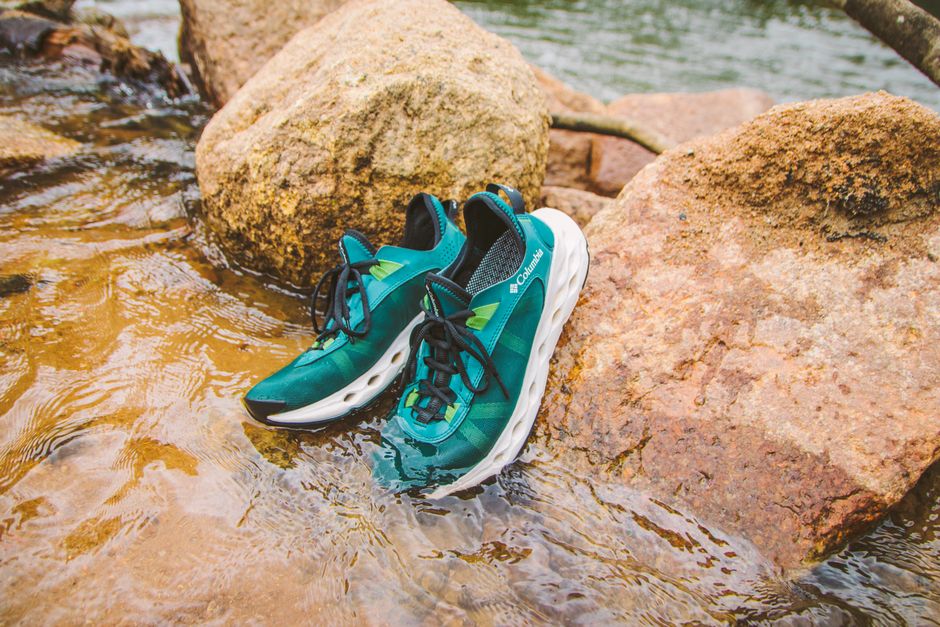
This is the section most gear lists skip. Waterproof boots are not always the right call, even in wet climates. In tropical downpours where temperatures stay above 25°C, waterproof membranes trap heat and sweat. Your feet will be wet regardless. The difference is that waterproof boots stay wet longer. In places like Costa Rica’s Osa Peninsula or Singapore’s MacRitchie trails, experienced hikers often choose non-waterproof trail runners that drain and dry fast. The La Sportiva Ultra Raptor II and the Altra Lone Peak 8 are two common picks for this scenario. They let water in, but they let it out just as fast.
Waterproof boots make sense in cold wet climates: Scotland, Iceland, Patagonia, the Pacific Northwest in shoulder seasons. There, wet feet mean cold feet, and cold feet mean blisters, numbness, and a shortened trip. The membrane’s heat retention becomes a feature, not a bug.
So the real question isn’t “which waterproof boot?” It’s “is this climate cold enough to justify waterproofing?” Below 10°C with rain: yes. Above 20°C with rain: probably no.
Final Verdict: Which Boot for Which Traveler
If you’re flying to Iceland in September and plan to hike the Laugavegur Trail, buy the Salomon X Ultra 4 Mid GTX. It’s lighter, dries faster from light rain, and handles volcanic rock and mud better than the Merrell. The narrower fit is fine for most hikers, and the synthetic upper sheds water longer before wetting out. At $175-$195, it’s the best wet-climate travel boot for technical terrain in 2026.
If you’re doing a slower trip through the Lake District or the Scottish Highlands with a 12kg pack, buy the Merrell Moab 3 Mid GTX. The wider platform and suede upper provide more support under load, and the boot’s higher ankle collar gives you a little more margin in shallow puddles. At $150-$170, it’s also the better value.
If you’re hiking in warm tropical rain, skip both. Get the Altra Lone Peak 8 or the La Sportiva Ultra Raptor II in a non-waterproof version. Your feet will thank you.
One more thing: replace the stock insoles. Both Merrell and Salomon ship with mediocre foam insoles that compress after 100 miles. A pair of Superfeet Trailblazer or Currex HikePro insoles costs $50 and extends the boot’s life and your comfort more than any other single upgrade. Do it before your first wet hike.
The single most important takeaway: A waterproof membrane only works if water can’t enter over the top and the outer boot can still breathe, so match your boot choice to the temperature and water depth of your specific trip, not to the word “waterproof” on the box.