
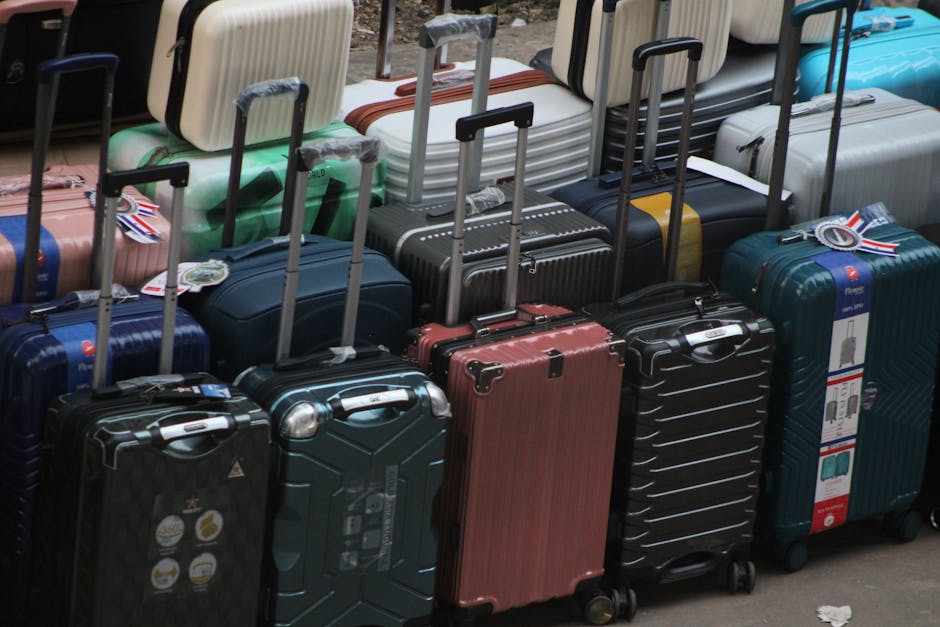
Looking for new carry-on luggage at Canadian Tire? You’ve got options, but navigating the various brands, sizes, and features can be a headache. Does that "20-inch" bag actually fit Air Canada’s strict rules? Is a budget hardside worth it, or will it crack on the first trip? I spent a weekend digging through Canadian Tire’s current carry-on offerings to find out what actually performs, what fits, and where you’ll get the best bang for your buck.
What Are Canadian Tire’s Best Value Carry-On Options?
For most Canadian travellers, the best overall carry-on value at Canadian Tire comes from the Swiss Gear Getaway 20-inch Soft-Sided Spinner. It hits a sweet spot between price, durability, and practical features that many budget options miss. While you can find cheaper bags, the Getaway offers superior construction for only a modest price increase, making it a smarter long-term investment. If you need something cheaper, Track or Outbound provide decent entry points, but manage your expectations on longevity.
Track Soft-Sided 20-inch: The Budget Champion
The Track Soft-Sided 20-inch Carry-On is consistently one of Canadian Tire’s most affordable carry-on options, often priced around $60-80 CAD. It’s a no-frills bag, usually made of a basic polyester fabric with two wheels and a retractable handle. Its dimensions typically hover around 50 x 35 x 20 cm, making it generally compliant with most Canadian airline carry-on rules, especially if not overstuffed. This bag is a solid choice for infrequent travellers, road trips, or as a secondary carry-on. The main trade-off is durability. The zippers might not be the strongest, and the wheels can be a bit flimsy on rough terrain. But for short, easy trips, it gets the job done without breaking the bank. Don’t expect it to last a decade of weekly travel, but for a few trips a year, it’s a perfectly functional starter bag.
Outbound Hardside Spinner: Durability on a Dime
If you prefer the protection of a hardshell and still want to keep costs down, the Outbound Hardside Spinner, often a 20-inch model, is a frequent flyer at Canadian Tire, usually retailing for $80-110 CAD. These bags are typically constructed from ABS plastic, offering better impact resistance than soft-sided fabrics against bumps and drops. The four spinner wheels are a major upgrade from two-wheeled models, making airport navigation much smoother. Dimensions for the Outbound 20-inch hardside are usually close to 53 x 36 x 22 cm, which is right on the edge for some airlines like WestJet, so packing minimally is key. The interior is often basic, with cross-straps and a zippered divider. While the ABS plastic isn’t as robust as polycarbonate found in premium bags, it’s a significant step up in protection compared to entry-level soft-sided luggage. This bag offers good protection for electronics or fragile items without the premium price tag.
Swiss Gear Getaway 20-inch: Mid-Range Reliability
The Swiss Gear Getaway Soft-Sided Spinner 20-inch Carry-On is where you start seeing a noticeable jump in quality and features for a reasonable price, typically in the $120-160 CAD range. Swiss Gear is known for its more robust construction, often using heavier-duty polyester fabrics and better-quality zippers. This specific model usually features four multi-directional spinner wheels that glide effortlessly, a more ergonomic telescoping handle, and often includes external pockets for quick access to essentials. Its dimensions are generally around 55 x 38 x 23 cm, which fits within Air Canada’s main cabin allowance, making it a reliable choice for most Canadian travellers. The interior often includes compression straps and a mesh pocket, helping with organization. Investing in a Swiss Gear bag means you’re getting a carry-on designed to handle more frequent travel and the inevitable wear and tear that comes with it. The better components mean fewer headaches down the road.
Navigating Carry-On Size Restrictions for Canadian Airlines

Knowing the exact dimensions of your carry-on is far more important than any specific brand or price. A bag that’s too big means gate-checking, which adds time, hassle, and the risk of damage. Canadian airlines have specific, non-negotiable limits.
-
Air Canada’s Strict Rules
Air Canada is known for being quite strict with their carry-on policy. Your main carry-on bag must not exceed 55 x 40 x 23 cm (21.5 x 15.75 x 9 in). This includes wheels and handles. Many "20-inch" bags, especially hardsides, can push these limits once you factor in the external components. Always measure your bag, not just the manufacturer’s stated "body" size. Air Canada also permits one personal item, such as a backpack or laptop bag, measuring up to 33 x 16 x 43 cm (13 x 6 x 17 in). The combined weight for both items is usually not a primary concern for Air Canada as long as you can lift them yourself into the overhead bin, but individual bags should be manageable.
-
WestJet’s Slightly Smaller Standard
WestJet’s carry-on limits are similar but slightly tighter on some dimensions. Their maximum carry-on size is 53 x 38 x 23 cm (21 x 15 x 9 in), again including wheels and handles. That extra 2 cm in length and 2 cm in width compared to Air Canada can make a difference. A bag that fits Air Canada might be borderline for WestJet. For example, some 20-inch bags are 55 cm long; these would be too large for WestJet. WestJet also allows one personal item, typically a backpack, briefcase, or purse, with maximum dimensions of 41 x 33 x 15 cm (16 x 13 x 6 in). The general advice is always to err on the side of caution and measure, measure, measure, especially for international flights or smaller regional jets where overhead space is at a premium. An accurate tape measure is your best friend here.
-
The "Personal Item" Advantage
Don’t underestimate the power of your personal item. This smaller bag, which fits under the seat in front of you, can hold a surprising amount of gear. Think about maximizing this space for essentials: a tablet, a book, snacks, medications, and even a change of clothes. If your carry-on is borderline for size or you want to free up space, loading up a compliant personal item can make a huge difference. Consider a small, soft-sided backpack that can compress easily. This strategy effectively gives you more packing capacity without exceeding carry-on restrictions, letting you avoid checked bag fees or delays.
Hardside vs. Softside: Which is Right for Your Travels?
The choice between hardside and softside luggage is a common dilemma. Both have distinct advantages and disadvantages that impact how you pack and travel. Here’s a breakdown to help you decide for your Canadian Tire purchase.
| Feature | Hardside Luggage (e.g., Outbound Hardside) | Softside Luggage (e.g., Track, Swiss Gear Soft-Sided) |
|---|---|---|
| Material Protection | Excellent for fragile items. Resists impacts, crushing, and often water. Made from ABS, polycarbonate, or polypropylene. | Good for general items. Fabric (polyester, nylon) offers some cushioning but less impact protection. Susceptible to cuts/tears. |
| Flexibility/Storage | Rigid shell, no external pockets. Can be harder to cram into tight spaces (e.g., overhead bins). Better for stacking. | Flexible fabric. Often has external pockets for quick access. Can compress slightly to fit into tight spaces. |
| Weight | Can be lighter than some older softside models, especially with advanced materials (polycarbonate). | Generally lighter for basic models, but higher-end softsides with many features can be heavier. |
| Durability (Surface) | Prone to scratches and scuffs, especially glossy finishes. Cracks are possible with cheaper ABS under extreme stress. | Less prone to visible scratches. Fabric can fray, get dirty, or rip, but often hides wear better. |
| Packing Style | Clamshell design (opens in the middle) often requires two flat surfaces to open fully. Good for organized, two-sided packing. | Top-opening design allows access in tighter spaces. External pockets are useful for last-minute additions. |
| Price Point at Canadian Tire | Entry-level ABS models (Outbound) are very competitive, often $80-110. Heys models can be $150+. | Very affordable options (Track) start at $60. Mid-range (Swiss Gear) around $120-160. |
Material and Protection Trade-offs
Hardside luggage excels in protection. If you’re carrying camera gear, bottles of wine, or other easily crushable items, a hardshell bag like the Outbound Hardside will offer superior protection against impacts. The rigid exterior acts as a shield. However, cheaper ABS plastic can crack under extreme pressure or cold, a risk less common with more expensive polycarbonate. Softside bags, like the Track or Swiss Gear models, offer a degree of cushioning, but they won’t prevent items from being crushed. Their fabric can also be cut or punctured, though this is less common with carry-on luggage than checked bags. The trade-off is often about what you value more: rigid protection or the flexibility of fabric.
Weight and Flexibility Considerations
While historically softside bags were lighter, modern hardsides, especially those made from polycarbonate, can be incredibly lightweight. At Canadian Tire, many of the ABS hardside options are quite competitive in weight with their softside counterparts. The real difference comes in flexibility. Softside bags can be slightly overstuffed and squeezed into an overhead bin, or they can expand with an extra zipper. They also offer external pockets for quick access to items like passports, books, or a water bottle. Hardside bags lack this flexibility; what you see is what you get. Their clamshell opening also means you often need a larger, flat surface to fully open and pack the bag, which can be inconvenient in small hotel rooms or tight spaces.
Beyond the Bag: Essential Carry-On Packing Strategies

Even the best carry-on from Canadian Tire is only as good as your packing strategy. Smart packing can make a huge difference in how much you can bring and how stress-free your travel experience is.
The Rolling vs. Folding Debate
This is a classic packing dilemma, and for carry-on luggage, rolling usually wins. When you tightly roll clothes, especially t-shirts, socks, and lighter fabrics, they take up less space and are less prone to wrinkling than folding them flat. For bulkier items like sweaters or jeans, a combination of rolling and careful folding might be best. Lay your heaviest, least wrinkle-prone items flat at the bottom, then roll smaller items to fill in gaps. Packing cubes are a here, regardless of rolling or folding. They compartmentalize your clothing, compress it slightly, and make it easy to find specific items without unpacking everything. Investing in a set of packing cubes from brands like Monos or even generic ones from Amazon can drastically improve your carry-on capacity and organization.
Mastering the Personal Item
As mentioned, the personal item isn’t just an afterthought; it’s an extension of your carry-on. Use it for your most crucial and heaviest items. This includes electronics like laptops, tablets, and power banks. Medications, important documents, and any valuables should always go in your personal item, as it stays with you at all times. For maximizing space, consider packing a change of clothes (t-shirt, underwear, socks) in your personal item. This ensures you have fresh clothes even if your main carry-on gets gate-checked or delayed for some reason. A soft-sided backpack is usually the best choice for a personal item, as it can conform to tight spaces under the seat and often has multiple compartments for organization. Think strategically: what absolutely cannot be separated from you?
Liquid Rules and Smart Organization
Canadian air travel, like many other countries, has strict rules for liquids, aerosols, and gels (LAGs) in carry-on bags. Each container must be 100 ml (3.4 oz) or less, and all containers must fit into one clear, re-sealable plastic bag of 1-litre capacity. This bag must be removed from your luggage for screening at security. The best approach is to either buy travel-sized versions of your toiletries or decant your favourite products into reusable 100 ml bottles. Don’t try to sneak in a large bottle; it will be confiscated. For solid toiletries like bar soap, solid shampoo, or toothpaste tablets, you don’t need to worry about the liquid rule, which can save valuable space in your 1-litre bag. Keep your 1-litre liquid bag easily accessible at the top of your carry-on or in an external pocket for quick removal during security checks. This avoids holding up the line and reduces stress.
Durability and Warranty: What to Expect from Canadian Tire Luggage Brands
When buying luggage, especially at a store like Canadian Tire that offers a range of price points, understanding durability and warranty expectations is key. You’re not buying a forever bag at the lowest price, but you do expect it to last a reasonable amount of time.
Are Track and Outbound bags built to last?
Generally, Track and Outbound luggage are considered entry-level options. They are built for value rather than extreme durability. Expect them to last for occasional travel (e.g., 2-4 trips per year) for a couple of years. The weakest points are typically the zippers, wheels, and telescoping handles. These components are made with more economical materials and can be prone to breaking or sticking after repeated use or rough handling. While they serve their purpose for light-duty travel, don’t expect the same robust performance or longevity as premium brands. Think of them as functional, disposable options that will get you through a few trips before needing replacement.
What kind of warranty does Swiss Gear offer?
Swiss Gear, being a mid-range brand, typically offers better warranties than Track or Outbound. While specific warranty terms can vary by product and retailer, Swiss Gear generally offers a 5-year or even 10-year limited warranty on many of its luggage products, covering manufacturing defects. This doesn’t cover normal wear and tear, airline damage, or misuse, but it does provide peace of mind for issues like faulty zippers, torn seams (if not due to overpacking), or defective handles within the warranty period. Always keep your receipt, as Canadian Tire will often require it for any warranty claims or exchanges. This longer warranty reflects a higher confidence in the product’s construction and materials, making it a more reliable choice for frequent flyers.
Can I expect repairs or replacements if something breaks?
For most Canadian Tire brands, especially the lower-priced Track and Outbound lines, repairs are generally not an option. If a component like a wheel or handle breaks, you’re usually looking at a replacement rather than a repair. For items under warranty, Canadian Tire’s policy is typically to replace the defective item with the same or a comparable product if available, provided the damage is a manufacturing defect and you have proof of purchase. For Swiss Gear, you might have direct warranty options through the manufacturer, which could involve sending the bag in for assessment or repair, but this is less common for carry-on sized luggage purchased through a retailer. For non-warranty issues or accidental damage, finding parts or affordable repair services for budget luggage is often uneconomical, meaning you’ll likely need to purchase a new bag.
The Verdict: Your Best Bet for Canadian Tire Carry-On
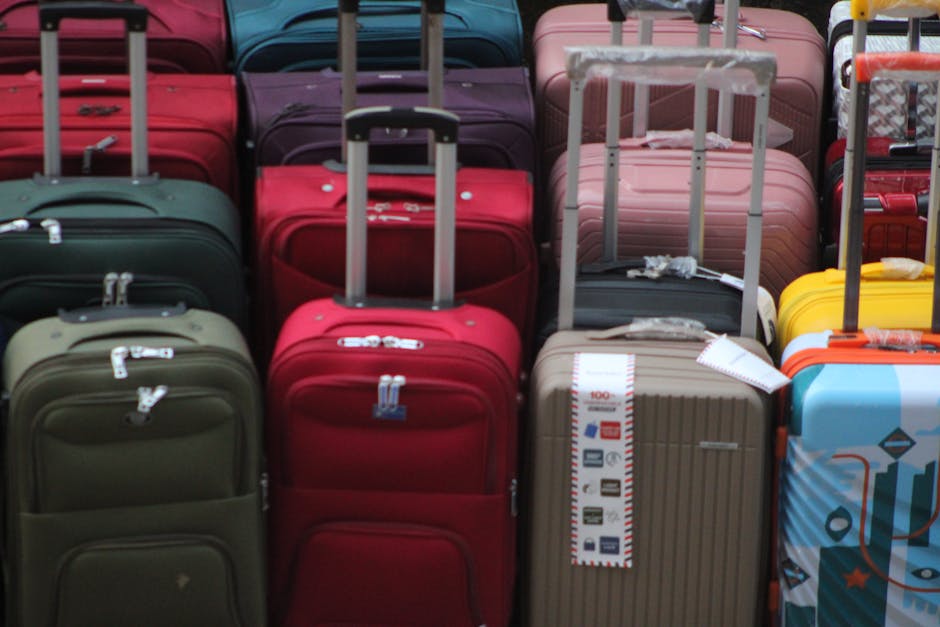
Ultimately, if you’re buying carry-on luggage from Canadian Tire, the Swiss Gear Getaway 20-inch Soft-Sided Spinner is the most balanced choice for regular travellers. It offers a solid blend of durability, features, and compliance with airline regulations without breaking the bank. For occasional trips or a super tight budget, the Track or Outbound options can work, but understand their limitations. Always measure your chosen bag against airline rules before you fly, and remember that smart packing is just as crucial as the bag itself.