
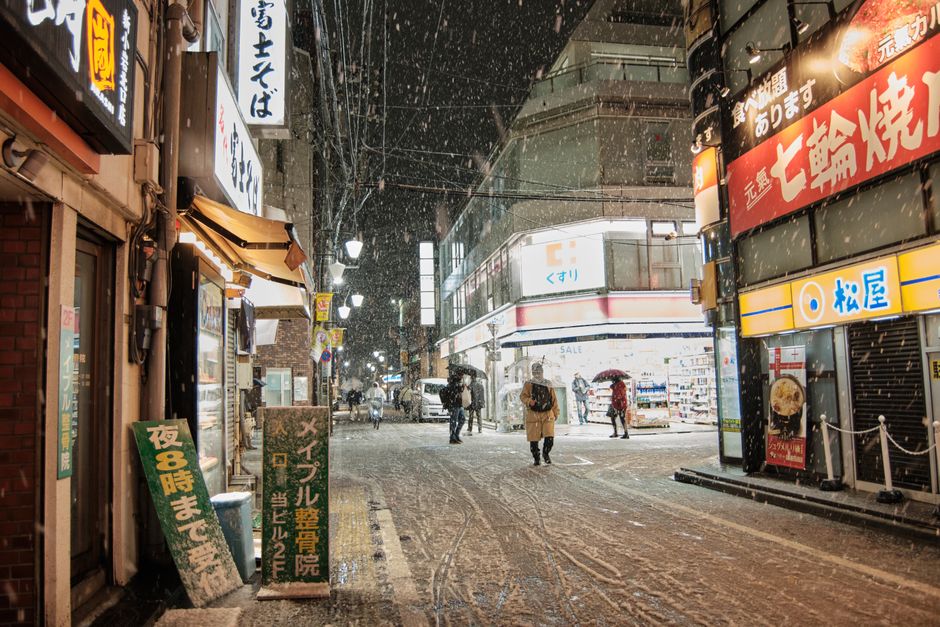
The common misconception is that a winter trip to Japan with children should be built around as much snow as possible. That is how families end up carrying wet gloves through six train transfers while paying peak-season prices for a room they barely use. The better plan is a split trip: a compact Tokyo start, one Hokkaido base, and enough empty time for weather, naps, and slow meals.
This 10-day route is designed for families visiting during winter 2026–27. It focuses on predictable travel, sensible costs, and backup options. Treat every fare and hotel price as a quote to recheck before payment. A travel card may show a 0% introductory APR, then switch to 19.99%–29.99% variable APR, a $0–$95 annual fee, or a 0%–3% foreign-transaction fee. Those terms matter more than a points headline. This is not financial advice.
Should a family buy a Japan rail pass or pay as they go?
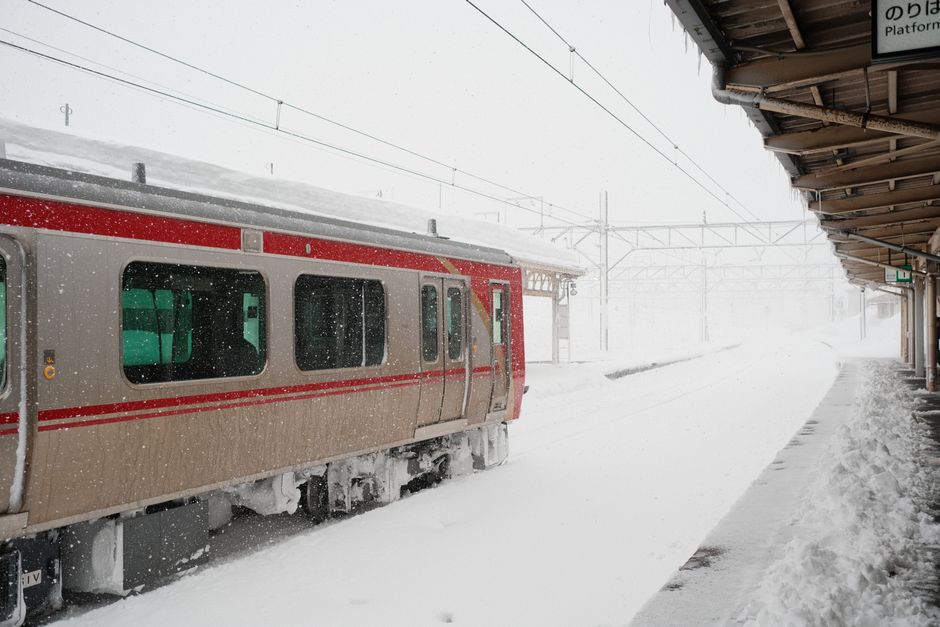
The national pass is not an automatic bargain. The correct comparison is the actual route, the children’s ages, and the price of flexibility. The official online price for a seven-day ordinary JAPAN RAIL PASS is ¥50,000 for an adult and ¥25,000 for a child aged 6–11; overseas agency prices can be higher. The pass also has rules for certain Shinkansen trains and a 10% handling fee per pass in some purchase situations. Check the official JAPAN RAIL PASS price table before paying.
| Transport choice | Published adult price | Child rule | Best use | Verdict |
|---|---|---|---|---|
| 7-day JAPAN RAIL PASS | ¥50,000 online | ¥25,000 for ages 6–11 | Several long JR journeys across Japan | Skip for Tokyo plus Sapporo by air |
| Hokkaido Rail Pass, 5 days | ¥22,000 in advance | ¥11,000 for ages 6–11 | Sapporo, Hakodate, Asahikawa, Kushiro, or Abashiri | Useful only with enough JR travel |
| New Chitose–Sapporo Rapid Airport | ¥1,230 non-reserved | Ages 6–11 pay half | Airport transfer | Pay separately |
| Sapporo–Otaru Rapid Airport | ¥800 non-reserved | Ages 6–11 pay half | Simple day trip | Pay separately |
| Suica or another IC card | Stored-value travel budget | Child card requires the correct child registration | Local trains, subways, and small purchases | Best for short city rides |
When the Hokkaido Rail Pass earns its price
JR Hokkaido lists a five-day Hokkaido Rail Pass at ¥22,000 in advance and ¥23,000 when bought at a station. It covers JR Hokkaido lines but not the Hokkaido Shinkansen, subway, streetcar, or every local bus. The official example compares a ¥23,140 combination of Sapporo–Hakodate and Sapporo–Otaru travel with the ¥22,000 pass. That is a narrow saving before you add local transport. See JR Hokkaido’s current pass rules.
For a Sapporo, Otaru, and Noboribetsu itinerary, point-to-point tickets usually win. For Sapporo plus Hakodate and another long-distance return, the pass becomes more credible.
Flight or train from Tokyo?
For this family route, a domestic flight from Tokyo to New Chitose usually saves a full day compared with an all-rail journey. ANA, JAL, Air Do, and Peach Aviation all sell domestic routes, but the cheapest headline fare may exclude checked bags, seat selection, or useful change rights. Price the whole family booking, then compare it with the time cost of a long train day.
Bottom Line: fly between Tokyo and Hokkaido, use Suica for city travel, and buy the Hokkaido Rail Pass only after the long JR trips add up to more than ¥22,000 per adult.
How should parents dress and move children through snow?
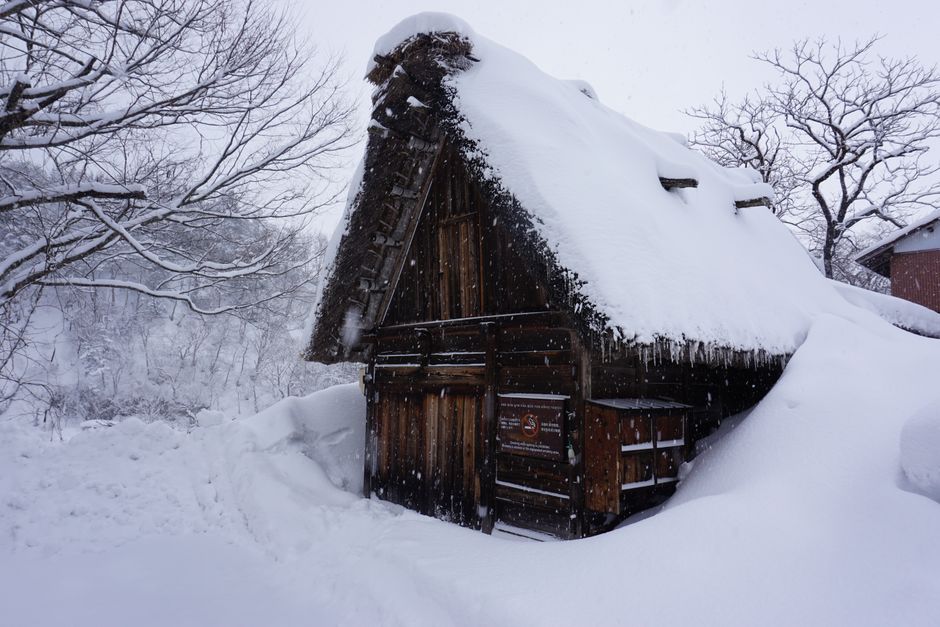
Snow trips fail at the hands and feet first. A child can tolerate a plain jacket; a child with wet socks cannot tolerate an ambitious sightseeing plan. Pack layers that can dry overnight and assume every outdoor activity will involve sitting, falling, or touching slush.
Use a simple clothing system
- Start with a moisture-wicking base layer. Cotton is comfortable indoors but stays cold when wet.
- Add a warm mid-layer that can come off inside restaurants and trains.
- Use a waterproof outer shell, snow pants, insulated gloves, and a hat that covers the ears.
- Pack two pairs of gloves and at least two pairs of socks per child for every outdoor day.
- Choose waterproof boots with room for one warm sock, not oversized boots that make walking unsafe.
Make the city manageable
Use a stroller only on routes with wide, cleared pavements and indoor access. Snow, slush, stairs, and crowded stations can turn a stroller into dead weight. For younger children, a carrier with a weather cover is often more practical, but adults still need traction on icy streets.
Schedule a warm indoor stop every 60–90 minutes. Keep snacks in an outside pocket so you do not unpack the whole bag on a station platform. A small waterproof pouch for wet socks is cheaper and more useful than carrying a large suitcase into every restaurant.
Do not promise a full ski day to a child who has never stood in snow. Start with a short snow-play session, rent equipment locally, and stop while everyone is still enjoying it. The winning winter packing rule is redundancy for gloves and socks, not extra outfits for every hour.
What do parents ask before visiting Tokyo and Hokkaido in winter?
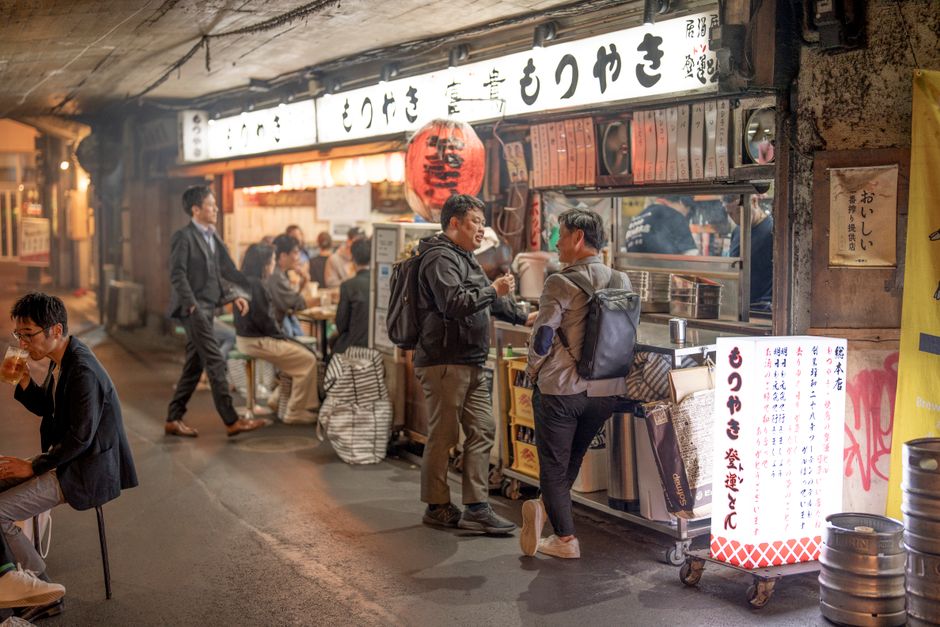
Is Japan too cold for toddlers?
No, but the itinerary must match the child. Tokyo winter is usually easier for walking, while Hokkaido requires proper waterproof layers and shorter outdoor blocks. Infants and toddlers may spend more time in carriers or warm indoor spaces than on snow, so do not pay for a ski resort unless the adults genuinely want to ski.
Is the Sapporo Snow Festival suitable for young children?
Yes, if you treat it as a one- to two-hour visit rather than an all-day mission. The sculptures are impressive, but crowds, slippery pavement, and cold hands are real limits. Visit in daylight, use a clear meeting point, and leave before the youngest child reaches a meltdown. Festival dates and venue details can change, so confirm them on the official site.
Should families visit Hakodate too?
Add Hakodate only when you have at least two extra nights or a strong interest in the morning market, historic streets, and the mountain view. Sapporo plus Otaru already fills a six-night Hokkaido stay. Hakodate is a poor add-on when it creates a long return journey before a flight.
What happens if a child gets sick?
Keep the day’s plan close to a station, save the address of a nearby clinic, and carry a translation app plus insurance contact details. A hotel with laundry and a convenience store nearby reduces the damage. Do not force a sightseeing day because a ticket is nonrefundable; a missed attraction costs less than turning a minor illness into a family-wide recovery problem.
The practical answer to all four questions is the same: build around recovery time, warm access, and one flexible day.
What is the best way to book this Japan winter family itinerary?
Book the international flights and first Tokyo hotel first, then secure the Tokyo–New Chitose flight, and only after that decide on rail passes. This order protects the expensive parts of the trip without locking you into transport that does not fit the final route.
Use this booking order
- Choose travel dates outside the busiest festival window unless the Sapporo Snow Festival is the main reason for the trip.
- Reserve three Tokyo nights near a station with an indoor route to food and daily necessities.
- Price ANA, JAL, Air Do, and Peach Aviation as complete family bookings, including checked baggage and seat fees.
- Reserve five Sapporo nights with a cancellation deadline that covers weather disruption.
- Book the Noboribetsu night only after checking the final airport departure time.
- Price point-to-point rail tickets against the ¥22,000 Hokkaido Rail Pass and the ¥50,000 seven-day national pass.
Where the budget usually goes
For a family of two adults and one child, the large variable costs are flights, rooms, ski or snow activities, and meals. Local rail is easier to control: Sapporo–Otaru is ¥800 each way for an adult on the non-reserved Rapid Airport service, while New Chitose–Sapporo is ¥1,230 each way. Add a buffer for reserved seats, airport meals, lockers, and taxis when snow makes walking unpleasant.
Do not chase the cheapest room if it requires three transfers with luggage. A ¥5,000 higher nightly rate can be fair when it removes a ¥4,000 taxi, a missed connection risk, and an exhausted child. The test is total trip cost, not the room’s nightly headline.
Bottom Line: for most families, the strongest plan is three Tokyo nights, five Sapporo nights, one Noboribetsu night, a flight between Tokyo and Hokkaido, local IC-card travel, and a rail pass only after the route proves it saves money.
The single most important takeaway: in Japan with kids during winter, protect recovery time first and let the snow fit around the family rather than forcing the family to fit around the snow.