
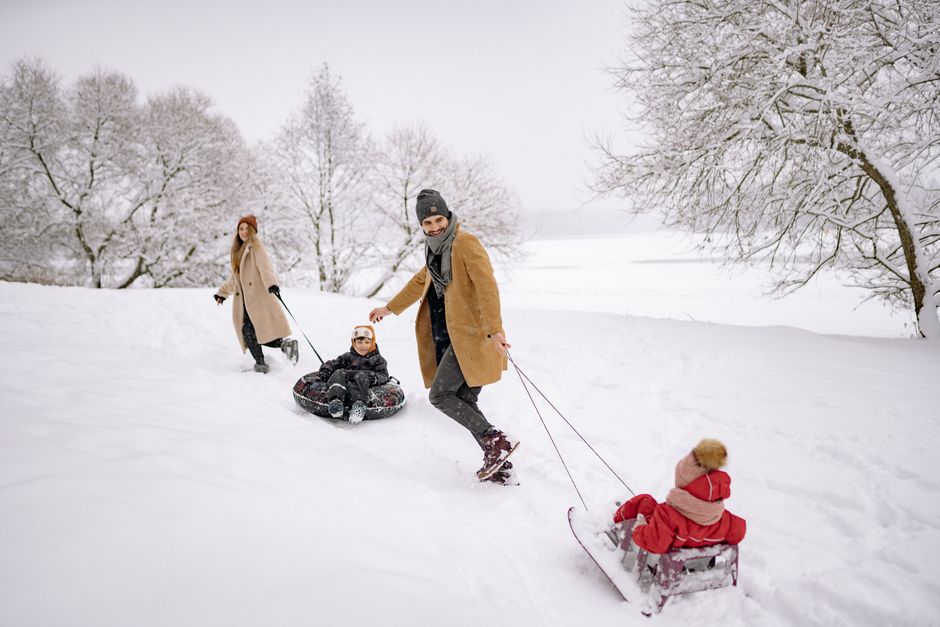
The common misconception is that a family trip to Finnish Lapland needs a luxury budget and a private guide every day. It does not. Rovaniemi can still become expensive very quickly, but the biggest costs come from stacking paid activities, booking the most popular Christmas dates, and buying Arctic clothing at the last minute. A sensible plan uses one major paid experience, free outdoor time, public transport, and a warm indoor backup.
When should families visit Finnish Lapland?
December delivers the Christmas version
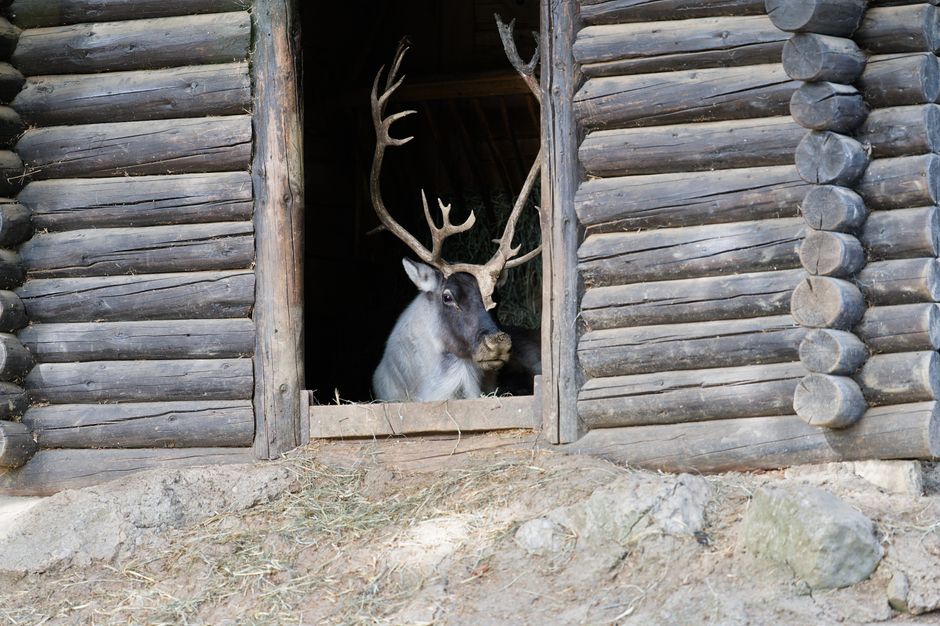
December has the strongest Santa atmosphere, but it also carries the highest financial risk. Accommodation and tours become scarce around the school holidays, and popular restaurants may require reservations weeks ahead. Snow is usually part of the experience, but daylight is limited. Around the winter solstice, families may have only a few hours of dim daylight for outdoor plans. That is not a problem if you accept the rhythm: breakfast, one outdoor activity, lunch, an indoor break, then another short outing.
Christmas week is the right pick for families who specifically want Christmas markets, elves, decorations, and a Santa visit that feels seasonal. It is not the right pick for a family watching every euro. The same Santa Claus Office operates outside Christmas week, and entry is free, so the premium is mostly buying atmosphere, availability, and timing rather than access to Santa himself.
January to March gives better value and more daylight
Late January, February, and early March are my preferred window. Snow conditions are usually strong, daylight improves, and the schedule feels less frantic after the holiday rush. February can still be very cold, so children need proper layers rather than cotton sweaters under a fashion coat. March brings longer afternoons and a better chance of enjoying outdoor play without rushing back before dark, although snow conditions vary from year to year.
The Northern Lights are possible from late August through early April, but no tour operator can guarantee them. A clear sky, low light pollution, and solar activity all have to cooperate. Book an aurora tour only if you would still enjoy the trip without seeing one. That single rule prevents the most common disappointment.
Verdict: Choose December for Christmas theatre, February for the best balance, and March for longer family days. For most families, February is the strongest value window.
How much does a family trip to Rovaniemi cost?
A realistic four-night budget
Use the following as a planning range for two adults and two children, excluding international flights. It assumes a central family room or apartment, a mix of supermarket breakfasts and restaurant meals, and one or two paid activities. Prices change by date, but the structure is more useful than a fantasy daily rate.
| Cost category | Four-night family estimate | What changes the bill |
|---|---|---|
| Accommodation | €700–€1,200 | Christmas dates, room size, village location |
| Food | €280–€480 | Restaurant dinners cost more than apartment cooking |
| Buses and local transfers | €40–€100 | Airport transfers, taxis, and trips to the village |
| Activities and admissions | €180–€650 | One paid tour versus several safaris |
| Clothing rental or purchases | €0–€400 | Existing gear, rentals, and children’s sizes |
| Total excluding flights | €1,200–€2,830 | Higher during Christmas week |
The charges families forget
Airport Express lists an adult one-way fare of €8, while local buses can be cheaper. The official Arktikum lists admission at €22 for adults and €17 for reduced tickets. At Ranua Wildlife Park, online prices valid through March 31, 2027 are €24.50 for adults and €20 for children aged four to fourteen; a family ticket is €74. Add luggage fees, warm clothing, snacks, and taxis before calling the trip affordable.
If you put €2,000 on a card at 24% purchase APR and carry the balance for six months, interest can add roughly €120 before any foreign transaction fee. A 0%–3% foreign transaction fee is common, depending on the card and country. Pay in full if possible. This is not financial advice.
Bottom Line: Set a hard activity budget before booking flights. The family that budgets €2,000 excluding flights can enjoy Rovaniemi comfortably; the family that books three safaris first may spend far more without having a better trip.
What should children wear in Rovaniemi?
Build warmth from the inside out
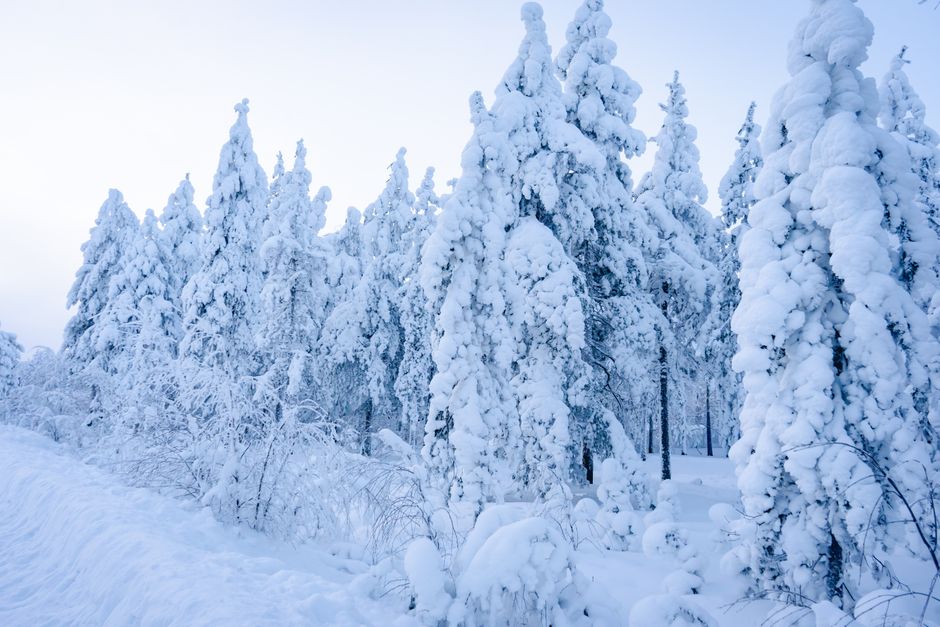
Children need a dry base layer, a warm middle layer, and a windproof outer layer. Merino wool or synthetic thermal underwear works better than cotton because cotton stays damp. Add wool socks, insulated waterproof boots, a neck warmer, a hat that covers the ears, and two pairs of mittens per child. The second pair is not overpacking. It is insurance against the first pair becoming wet during a snowball fight.
- Base layer: long-sleeve thermal top and leggings.
- Mid layer: fleece or wool sweater, with room to move.
- Outer layer: insulated waterproof suit or jacket and trousers.
- Hands: thin liner gloves plus waterproof mittens.
- Feet: insulated boots with enough space for one wool sock, not three tight socks.
- Face: neck warmer and child-safe moisturizer for wind exposure.
Three real gear options
The Reima Reimatec Stavanger costs €189.95, has a stated waterproof rating above 12,000 millimetres, and is designed for roughly 0°C to -20°C. It is my pick for younger children who spend hours sitting in snow. The Didriksons Bjärven Kids’ Parka costs €130 and makes more sense for an older child who already owns separate snow trousers. The Helly Hansen Kids’ Silverton Winter Boots cost €110 and are waterproof, but fit matters more than the logo.
Do not buy a €190 snowsuit for a single afternoon at Santa Claus Village if you can rent a complete winter set locally. For a four-night trip with repeated outdoor activities, buying can make sense if the child will use the gear at home. Bottom Line: Reima is the strongest single-piece choice for small children; Didriksons wins when layering flexibility matters.
What is the best four-day Rovaniemi itinerary?
A schedule that protects energy
- Day one: Arrive, buy groceries, walk around the city centre, and keep the evening quiet. Do not schedule an aurora tour after a late flight.
- Day two: Visit Santa Claus Village in the morning. Meet Santa, cross the Arctic Circle, send postcards, and leave before the children are exhausted.
- Day three: Book one major activity, such as a husky ride or reindeer visit. Add a long lunch and a warm indoor break rather than another tour.
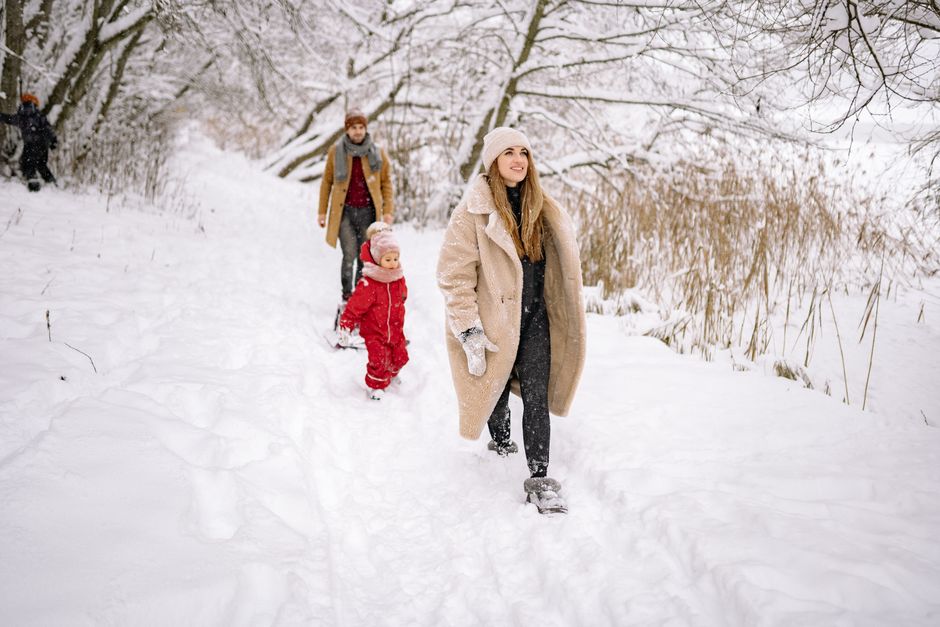
- Day four: Use Arktikum, a sledding hill, a short forest walk, or a café morning as the main plan. Keep the afternoon flexible for clear skies.
- Day five: Depart with extra transfer time. Winter roads and children both punish tight schedules.
Why this order works
The first day has no pressure, so a delayed flight does not ruin a paid booking. Santa Claus Village comes early because it is the emotional centre of the trip for many children. The paid outdoor activity follows once everyone has adjusted to the cold. The final full day stays flexible because weather, illness, and tired legs are common, not exceptional.
Use bus routes for the city and Santa Claus Village when timetables fit. The airport transport information confirms that Airport Express and Santa’s Express connect the airport, city centre, railway station, and village. A taxi can still be worth the fee after a late flight or with a sleeping toddler. Bottom Line: The best itinerary has fewer bookings than the sales pages suggest.
What can go wrong on a family trip to Rovaniemi?
What if the aurora never appears?
Assume you may not see the Northern Lights. That is the honest answer. Clouds, snowfall, moonlight, and solar conditions can block the view even when a tour operator has chosen a dark location. Book a tour with a clear cancellation policy, but judge it by the guide, transport, warm clothing, and backup plan rather than by a promise of green skies. If the aurora appears, treat it as a bonus. If it does not, the trip still needs Santa, snow play, animals, food, and sleep.
What mistakes cost families the most?
The first mistake is booking every day around a paid tour. One sick child can turn a non-refundable schedule into a pile of losses. The second is bringing fashionable coats that are not waterproof. The third is assuming every activity suits every age; operators set minimum ages for good reasons. The fourth is staying only at Santa Claus Village and paying village prices for every meal. A city-centre apartment with a kitchen can reduce food costs and gives families more restaurant choice.
Families should also check transfer times, cancellation terms, stroller access, and the exact age limit before paying. Book the headline activity early, then leave room for ordinary moments: a supermarket breakfast, a sledding hill, a library visit, or ten minutes watching snow fall outside the hotel.
The opening misconception was that Finnish Lapland requires a luxury itinerary. The better resolution is simpler: Rovaniemi rewards families who spend on one memorable experience, dress for the actual weather, and leave enough empty space for the trip to feel like a holiday. That is the budget-friendly version of the magic.