
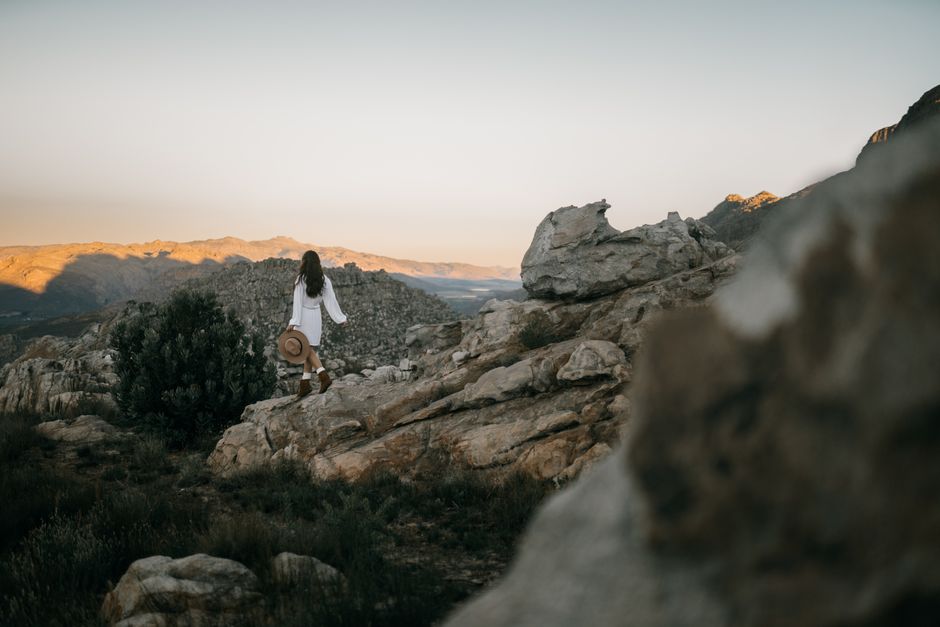
The W Trek in Torres del Paine is the right first multi-day hike in Patagonia. Not the O Circuit. The O adds 50 extra miles of exposed, wind-battered terrain that punishes beginners. The W gives you the same granite towers, glaciers, and turquoise lakes without the misery. Book refugios 6 months ahead. Pack for 40°F rain and 70mph gusts. That is the entire strategy.
Most first-timers overpack and under-book. They show up in Punta Arenas with a 70-liter pack full of cotton and no reservations. Then they sleep on a bench outside the park entrance. This guide fixes that. You will get exact gear names, real prices for 2026, and the route split that lets you sleep indoors every night.
The W Trek vs. O Circuit: A Route Decision That Saves Your Knees
The W Trek runs 47 miles (76 km) over 4 to 5 days. The O Circuit is 80 miles (130 km) over 7 to 10 days. The O’s northern backside has no refugios for two long stretches. You carry 5 days of food. You cross John Gardner Pass in snow. You share a tent platform with 40 strangers in horizontal rain. None of that is a beginner problem. It is a survival problem.
The W still gives you the three iconic views: Base Las Torres, Valle Francés, and Glacier Grey. You sleep in refugios with hot showers and hot meals. You carry a daypack, not a loaded 50-liter pack. That is the trade. You lose solitude. You gain sleep and dry socks.
| Factor | W Trek | O Circuit |
|---|---|---|
| Distance | 47 miles / 76 km | 80 miles / 130 km |
| Days | 4–5 | 7–10 |
| Sleeping | Refugios or campsites | Mixed; 2 remote campsites |
| Food carry | None if you book full board | 3–5 days for the north section |
| Best for | First multi-day hike | Experienced backpackers |
| 2026 refugio cost per night | $60–$110 (dorm bed) | $50–$90 (campsite) |
Verdict: For a first Patagonia trek, the W is not a compromise. It is the correct tool. The O is a different sport.
Book Refugios 6 Months Out. No, That Is Not a Joke.
Torres del Paine caps daily entries. The refugios — Grey, Paine Grande, Los Cuernos, Chileno, Central — sell out for the December–February window by August. For the 2026 season, bookings opened in May 2026. By October 2026, most weekend beds were gone. You book through two companies: Vertice Patagonia runs Grey and Paine Grande. Las Torres Patagonia runs Central, Chileno, and Los Cuernos. Two separate websites. Two separate booking systems. One very annoyed traveler if you do not check both.
A full-board dorm bed at Refugio Grey cost $98 in 2026. Expect $105–$115 for 2026. A campsite with your own tent cost $45. Full board means dinner, breakfast, and a packed lunch. Buy it. The packed lunch is a ham sandwich, an apple, and a candy bar. It is not gourmet. It is calories. You need calories.
Failure mode: People book flights to Santiago, then discover no beds exist. Do not be that person. Book refugios first. Book flights second. The park entry ticket you buy separately at pasesparques.cl for $49. That one does not sell out. The beds do.
Gear That Survives Patagonian Wind and Rain
Patagonia weather does not care about your Instagram. It will rain sideways at 40°F in January. The sun will then blast you at 70°F. You need a layering system that dries fast and a pack that fits in an overhead bin.
My pick for a first-timer: the Osprey Eja 58 (women’s) or Osprey Exos 58 (men’s), $260. It weighs 2.7 lbs, carries 30 lbs comfortably, and the trampoline back panel keeps sweat off your shirt. If you are doing the refugio route, you can drop to the Osprey Talon 36 ($180). That is enough for clothes, lunch, water, and a camera.
Rain jacket: do not cheap out. The Patagonia Torrentshell 3L ($179) has a 3-layer membrane that does not wet out after 4 hours of rain. The Marmot PreCip Eco ($100) works for 2 hours, then leaks at the shoulders. For a 5-day trek, the Torrentshell is worth the extra $79. Bring rain pants too. The REI Co-op Rainier Full-Zip Pants ($89) are the cheapest reliable option.
Boots: you want waterproof, not water-resistant. The Salomon X Ultra 4 Mid GTX ($175) is the default. It is a hiking shoe with ankle support, not a heavy boot. It dries overnight. Heavy leather boots stay wet for days and give you blisters. Trail runners are too light for the rocky moraine sections.
The 5-Day W Trek Itinerary That Actually Works
This is the east-to-west route. It puts the hardest day first and ends at the glacier. Most people do the opposite. Do not. You want the hardest day while your legs are fresh, not after 40 miles.
- Day 1: Bus from Puerto Natales to Central. Hike to Base Las Torres and back. 13 miles, 9 hours. Sleep at Central or Chileno.
- Day 2: Central to Los Cuernos. 8 miles, 5 hours. Rolling trail along Lake Nordenskjöld. Sleep at Los Cuernos.
- Day 3: Los Cuernos to Valle Francés viewpoint and back, then on to Paine Grande. 11 miles, 7 hours. The French Valley is the best single view on the trail. Sleep at Paine Grande.
- Day 4: Paine Grande to Refugio Grey. 7 miles, 4 hours. Arrive by noon. Spend the afternoon at the Grey Glacier viewpoint. Sleep at Grey.
- Day 5: Kayak or ice hike on Grey Glacier (optional, $120–$180). Catamaran across Lake Pehoé at 12:30 PM. Bus back to Puerto Natales by 5 PM.
Total hiking: 39 miles. You skip the final 8 miles of the W’s lower arm because it is flat, boring, and exposed. The catamaran from Paine Grande is $45 one-way. Book it when you book your refugio nights.
Food, Water, and the Money You Will Bleed
Refugio meals are expensive because everything arrives by horse or boat. A dinner at Paine Grande cost $35 in 2026. A beer cost $12. A Snickers cost $5. You cannot avoid this. You can reduce it.
Bring your own breakfast and lunch. Instant oatmeal packets, peanut butter, tortillas, hard cheese, salami, and trail mix. A Jetboil Flash ($135) boils water in 100 seconds. You can make coffee and oatmeal in your room. That saves $20 per day. Dinner at the refugio is worth paying for. It is hot, it is real food, and you did not carry it.
Water: streams in the park are safe to drink. I still filter. The Sawyer Squeeze ($41) weighs 3 oz and screws onto a Smartwater bottle. Cholera is not your risk. Giardia from upstream horse traffic is. Filter everything.
Cash: refugios take cards, but the catamaran and some park shuttles want Chilean pesos. Carry 50,000 CLP ($55) in small bills. The ATM in Puerto Natales runs out on weekends. Get cash in Punta Arenas before the bus north.
What Nobody Tells You About the Wind
The wind in Torres del Paine is not weather. It is a load-bearing structural element of the park. It will knock you over. It will rip a hat off your head and throw it into Argentina. It will turn your rain jacket into a sail. The gusts at Paine Grande regularly hit 70 mph. Tents die there. People do not. But tents do.
Three rules. First, bring a beanie with a chin strap or a buff that covers your ears. Second, put your rain cover on your pack before you leave the refugio, not when it starts raining. Third, trekking poles are not optional. The Black Diamond Trail Ergo Cork ($100) poles are the cheapest ones that will not snap. Use them on every descent. Your knees will send you a thank-you note.
If you camp, buy the MSR Hubba Hubba 2 ($530). It is the only tent I have seen survive a Patagonian windstorm without a bent pole. The Big Agnes Copper Spur HV UL2 ($530) is lighter but flexes more in gusts. Both work. Stake them with the included MSR Groundhog stakes. Do not use shepherd’s hook stakes. They pull out of Patagonian soil like a hot knife through butter.
The One Thing That Determines Your Trip
Book the refugios. Everything else is a detail. You can rent gear in Puerto Natales. You can buy food in Punta Arenas. You can change your flight. You cannot sleep inside Torres del Paine without a reservation. The W Trek is the best first multi-day hike in Patagonia because it lets you suffer the wind and rain while eating hot food and sleeping in a dry bed. Start there. The O Circuit will still be there next year.