
The George Washington Bridge processes roughly 100 million vehicle crossings a year — more than any bridge on earth. Most of those drivers are trying to escape the city for a weekend. The problem is most of them leave at exactly the same time, in exactly the same direction.
This guide covers where to actually go, when to leave, and what the trip will cost. Not vague suggestions — specific destinations with drive times that account for real traffic patterns, not Google Maps optimism at 3am.
The Most Important Thing Nobody Tells You About Leaving NYC
Timing is everything. INRIX consistently ranks the New York metro area among the worst in the country for weekend exit congestion. On summer Fridays, I-95 North through Connecticut and the Long Island Expressway can add 90 minutes to almost any route by 2pm. By 5pm, that becomes two hours.
The simplest fix: leave Thursday evening or Saturday morning after 9am. Both windows run 40–60% faster than a Friday afternoon departure. If Friday is unavoidable, wheels up before 11am.
Get an E-ZPass before your first trip. Tolls on a New York road trip accumulate fast — the GWB alone runs $17.28 per crossing in cash. E-ZPass drops that rate and eliminates the backup at cash lanes on every Hudson River crossing. If you rent a car without your own transponder, the agency charges a daily toll processing fee on top of the actual toll amount, which adds up quickly across a 500-mile round trip.
Use Waze over Google Maps for the metro exit specifically. Google tends to push everyone toward the same bridge simultaneously. Waze reads live conditions and will route you to the Mario Cuomo Bridge or Lincoln Tunnel when the GWB is backed up. Also worth factoring in: Manhattan’s congestion pricing zone now charges $9–$23 to enter below 60th Street depending on time of day — plan your garage-to-highway route around it, not through it.
Every Weekend Destination Ranked by Drive Time
These times are from Midtown Manhattan under typical off-peak conditions. Summer Fridays and holiday weekends add 60–120 minutes to most of these numbers.
| Destination | Drive Time (off-peak) | Best Season | Best For |
|---|---|---|---|
| Hudson Valley, NY | 1.5–2 hours | Year-round | Art, wineries, hiking |
| Catskills, NY | 2–2.5 hours | Summer, Fall | Hiking, swimming holes |
| Delaware Water Gap, NJ/PA | 1.5 hours | Spring, Summer | Hiking, waterfalls, kayaking |
| Philadelphia, PA | 1.5 hours | Year-round | History, food, free museums |
| The Hamptons, NY | 2 hrs (off-peak) / 5+ hrs (summer Friday) | Spring, Fall | Beaches, restaurants |
| Washington, DC | 4 hours | Spring, Fall | Free Smithsonian museums |
| Vermont (Burlington/Stowe) | 4.5–5 hours | Fall, Summer | Foliage, skiing, farms |
| Cape Cod, MA | 4.5–5 hours | Late Summer, Fall | Beaches, seafood |
| Finger Lakes, NY | 5 hours | Summer, Fall | Wineries, gorges |
| Acadia National Park, ME | 6–7 hours | Summer, Early Fall | Coastal hiking, tide pools |
| Outer Banks, NC | 8–9 hours | Late Spring, September | Beaches, wild horses |
The Hamptons is the one destination on that list with a massive gap between its off-peak and peak drive times. July on a Friday afternoon means spending half your trip staring at the Long Island Expressway. The spring and fall versions — emptier beaches, functioning restaurants, actual parking — are a different experience entirely from the summer chaos.
The Hudson Valley Argument: Why It Outperforms Most Longer Trips
Strong take: the Hudson Valley is the best road trip from NYC that most New Yorkers dramatically undervalue. The Hamptons get the press because of the restaurants and the scene. Vermont gets booked out because of the foliage reputation. But the 35-mile stretch between Beacon and Hudson delivers more variety per hour of driving than anything else in range of the city.
Dia Beacon is the anchor. It’s a contemporary art museum inside a converted Nabisco box-printing factory on the riverfront — 31 acres of galleries, admission $25, and the Richard Serra steel sculptures in the main hall are physically disorienting in a way photographs cannot convey. Plan three to four hours minimum. Storm King Art Center is 20 minutes south: 500 acres of outdoor sculpture on a former estate, $23 admission, and significantly better on a weekday when tour buses aren’t running routes through the same sightlines.
Breakneck Ridge is the hike everyone in the metro area has either done or has on a list. The most popular trail in New York State by some counts, and with reason — 1,200 feet of elevation gain in the first mile, exposed granite scrambling, and direct Hudson River views at the top. The Metro-North Hudson Line stops at Breakneck Ridge station on weekends, which means you can skip driving entirely for this one day. Parking at the trailhead fills by 8:30am on any fall Saturday regardless.
Rhinebeck deserves more than a gas stop. The Beekman Arms has been operating as an inn since 1766 — the oldest continuously running inn in the country by several accounts — and does a decent weekend brunch. The Saturday farmers market is genuinely local, not a craft vendor situation. Hudson, 20 minutes further north, has quietly become a serious restaurant town over the past decade. Warren Street has good antique shops, a few strong coffee spots, and enough to fill two hours on foot without trying.
For accommodation: The Emerson Resort and Spa in Mount Tremper runs $250–$380 per night and places you at the western Catskill edge of this region. The Saugerties Lighthouse — an actual working lighthouse where you can stay overnight — runs around $235 per night, requires a half-mile tidal flat walk to reach, and books out months ahead for fall weekends. Both are worth it. Neither works last-minute in October.
The Hudson Valley doesn’t have a bad season. Summer stays warm but manageable. Fall foliage peaks mid-October to early November and is genuinely spectacular without requiring a six-hour drive. Winter brings lower hotel rates and some ice festivals. Spring is slow — certain wineries stay closed through March — but the daffodil season along the river is consistently underrated by people chasing fall color.
New England Routes That Deliver Without Overpromising
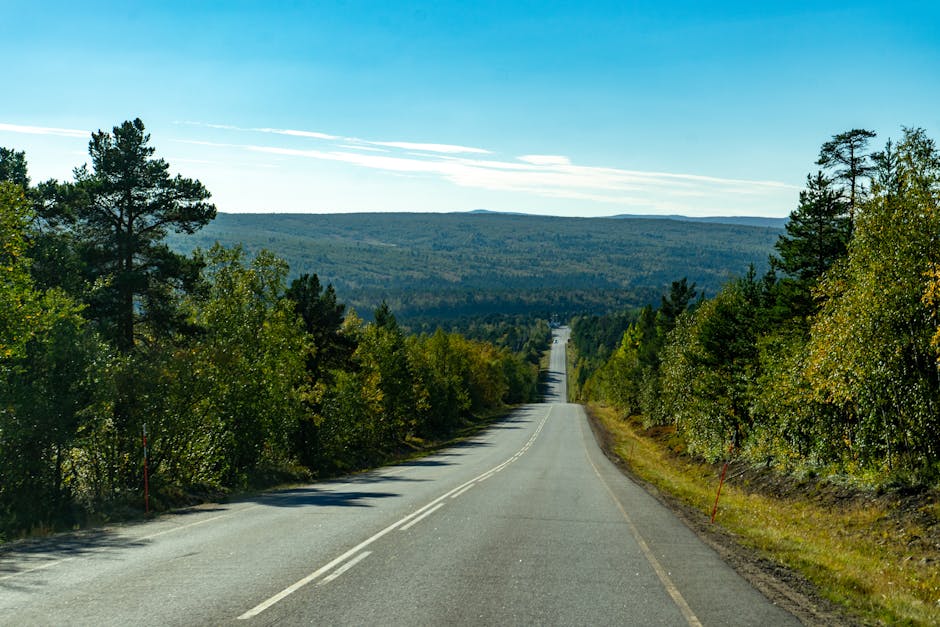
New England road trips from NYC produce one of two reactions: trips people talk about for years, or trips where you feel like you spent the whole weekend in the car. The difference is almost entirely in how you plan the middle segment of each route.
Vermont Requires Two Nights, Not One
Burlington is 4.5 hours on I-87 North to I-89 West under light traffic. One-night trips don’t work mathematically — you arrive Friday evening and immediately have to think about Sunday’s drive home. Two nights gives you all of Saturday actually in the state.
The Stowe corridor is the most efficient target. Mount Mansfield (Vermont’s highest peak at 4,393 feet) has several distinct trails ranging from a 2-hour loop to a full summit day. The Trapp Family Lodge — the actual family from The Sound of Music — operates as a working resort outside Stowe with hiking trails, a brewery, and cross-country ski infrastructure in winter. In fall, Route 100 south through the Mad River Valley toward Warren is one of the best foliage drives in the Northeast. Peak fall lodging in Stowe at properties like the Lodge at Spruce Peak sells out by July — book early or plan a weeknight trip.
Cape Cod: Skip August, Go in September
The Sagamore and Bourne bridges are the only two land connections to Cape Cod. In August they become a genuine chokepoint — your 4.5-hour drive from New York turns into 6.5 hours because of traffic stacking before the bridges. September solves this. The ocean stays warm enough to swim through mid-September, the crowds evaporate, and Wellfleet’s annual Oysterfest runs in mid-October. The National Seashore on the Outer Cape — Truro, Wellfleet, Eastham — is where the real experience lives, not the commercial strip around Hyannis.
Heading South: Philadelphia, DC, and the Long Hauls
- Philadelphia (1.5 hours): Chronically underestimated as a day trip. Eastern State Penitentiary is one of the more genuinely interesting historical sites on the East Coast — a Gothic castle of a prison that held Al Capone, now partly preserved in arrested decay. Reading Terminal Market is the best indoor food market in the Northeast; go hungry and stay two hours. The Philadelphia Museum of Art charges $30 admission and holds serious collections well beyond the steps. Round-trip E-ZPass tolls on the NJ Turnpike run about $12.
- Washington, DC (4 hours): Every Smithsonian museum is free. All nineteen of them. That still surprises people. The National Air and Space Museum, the National Museum of Natural History, the National Gallery of Art — free entry, no advance booking required. The National Museum of African American History and Culture is the exception: timed-entry passes book out weeks ahead. Drive into DC only if your hotel includes parking. Otherwise, Metro from a garage in Arlington or Bethesda costs $5–$8 per day and avoids downtown parking rates entirely.
- Shenandoah National Park, VA (5 hours): Skyline Drive runs 105 miles along the Blue Ridge crest at a 35mph speed limit — this is not a highway, it’s a scenic road with overlooks every few miles. The $35/vehicle park entry covers seven days. Fall color peaks here late October through early November, running slightly later than New England. Big Meadows Lodge and Skyland Resort (both operated by Aramark inside the park) book out months ahead for fall weekends. Weeknight openings exist when weekends do not.
- Outer Banks, NC (8–9 hours): This sits at the outer edge of what realistically qualifies as a weekend trip from New York. It’s a week-long destination. If you make the drive, late May, early June, or September are the right windows — summer crowds and hurricane season make July and August genuinely difficult. The wild horses at Corolla on the northern end, accessible only by 4WD on the beach past the pavement, are unlike anything else on the East Coast. The Wright Brothers National Memorial at Kill Devil Hills is a legitimate stop, not a roadside attraction.
What These Trips Actually Cost: A Real Budget Breakdown
NYC road trip budgets are consistently underestimated. Tolls and fuel hit harder than people expect before they run the numbers, and accommodation in the popular Northeast destinations has gotten expensive in the past few years.
| Expense | Hudson Valley (2 nights) | Vermont (2 nights) | Cape Cod (2 nights) | Philadelphia (day trip) |
|---|---|---|---|---|
| Tolls (round trip, E-ZPass) | ~$15 | ~$25 | ~$30 | ~$12 |
| Fuel (28mpg avg, ~$3.50/gal) | ~$30 | ~$80 | ~$90 | ~$25 |
| Accommodation (per night) | $200–$350 | $180–$320 | $150–$280 | N/A |
| Parking (per day) | $0–$15 | $0–$10 | $0–$20 | $15–$20 |
| Attractions and entry fees | $25–$50 | $0–$35 | $35 | $0–$30 |
| Total (2 people, meals excluded) | ~$490–$780 | ~$470–$760 | ~$460–$745 | ~$52–$87 |
These figures assume two people splitting costs. Solo trips push the accommodation line significantly higher per person. Use GasBuddy to check prices before you leave the metro — gas in Connecticut and Massachusetts routinely runs 15–25 cents per gallon higher than New Jersey stations near the I-78 corridor. Fill up before you cross the state line heading north or east.
Three Mistakes That Wreck NYC Road Trips
Booking fall foliage weekends too close to peak
Vermont and Catskills peak foliage runs roughly October 5–25, shifting a week or two depending on the year’s temperatures. Hotels in Stowe during peak color sell out by July — not September, not October. Hudson Valley properties in demand book nearly as fast. If fall is the goal, lock accommodation by August at the latest, or look for mid-week openings that most weekend travelers leave behind.
Arriving at seasonal attractions without checking hours
Dia Beacon closes Tuesdays and Wednesdays year-round. Storm King Art Center closes completely from November through March. The Saugerties Lighthouse has tide-dependent access windows that change week to week. Check the specific operating hours for your destination before you drive 90 minutes to find a locked gate — it happens more often than it should.
Routing north through Connecticut instead of up the Hudson
This is the single most common mistake on northbound trips from New York. I-84 through Danbury and Hartford is a consistent Friday chokepoint — between 2pm and 7pm in summer, this stretch adds 45–90 minutes to drives toward Vermont, Maine, or western Massachusetts. The alternative is I-87 North through the Hudson Valley to I-90 East across Massachusetts. It looks longer on a map. It is almost always faster in practice, and the Hudson Valley portion of that drive is genuinely pleasant.
Get the departure time right and the right road out of the city, and every destination on this list becomes a fundamentally different experience.